Rizodencies 2026: Scores
A 28-day residency in animated graphic notation and networked scores
1–28 September 2026 · Zavod Rizoma, Čermožiše, Haloze, Slovenia
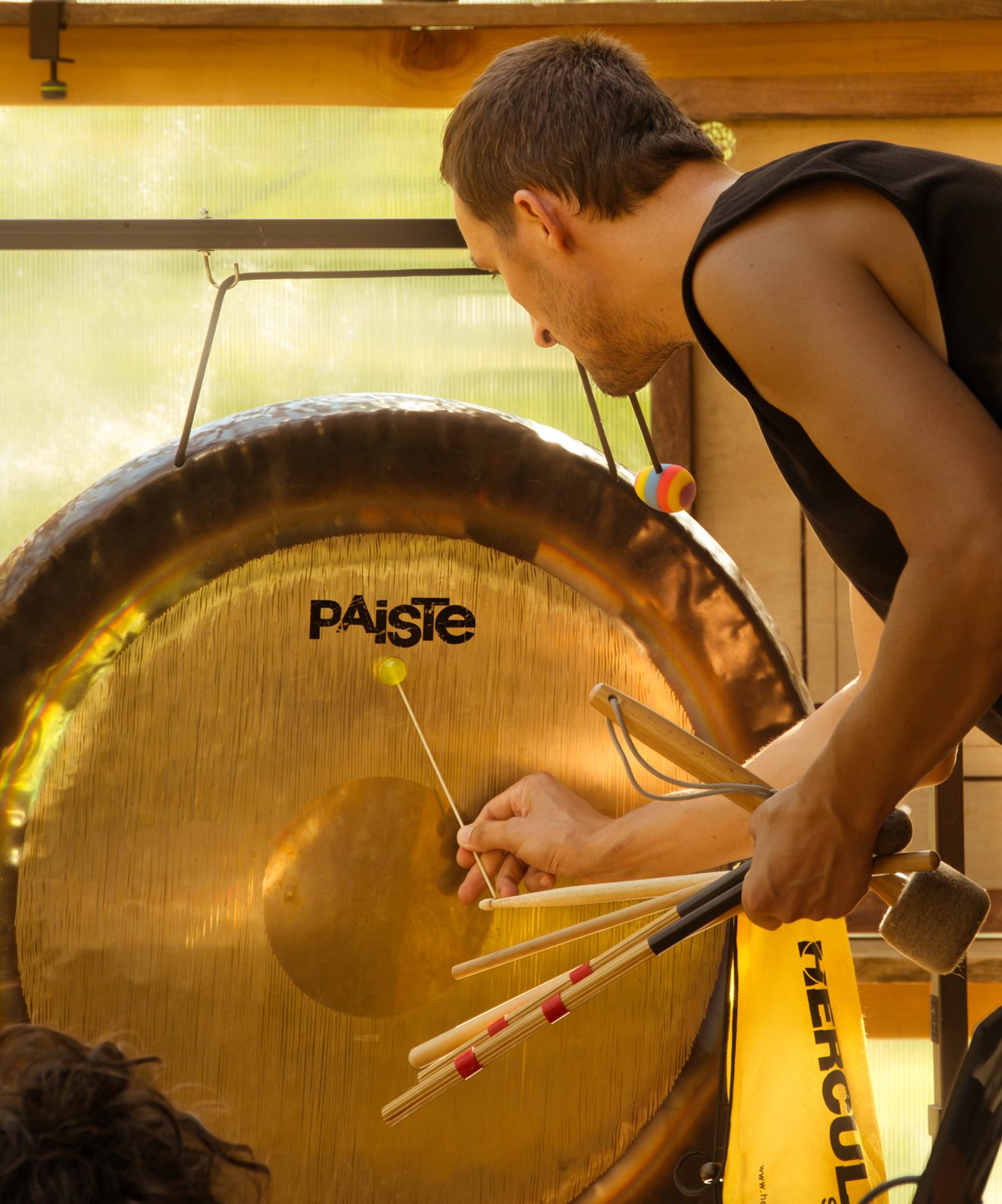
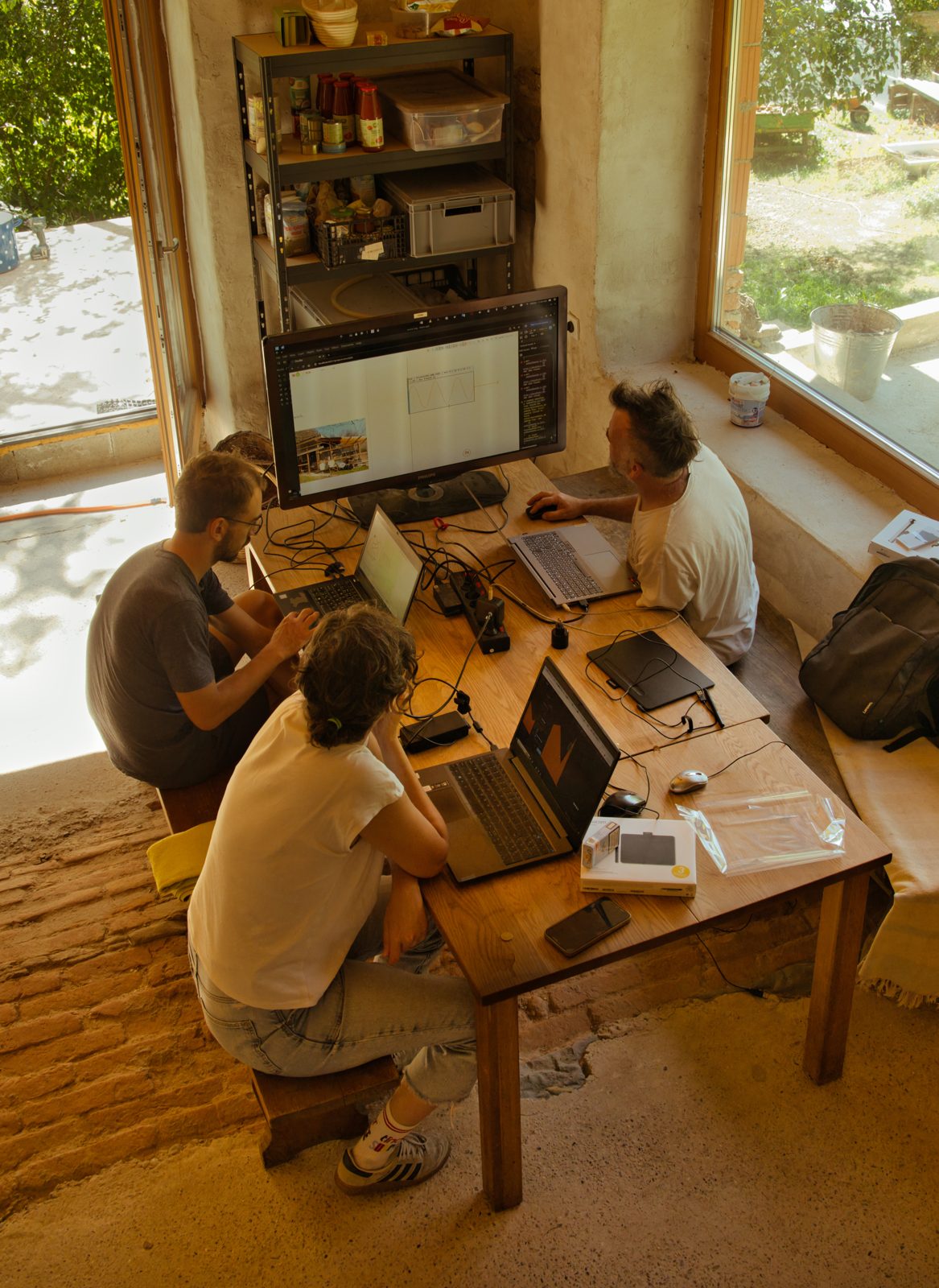
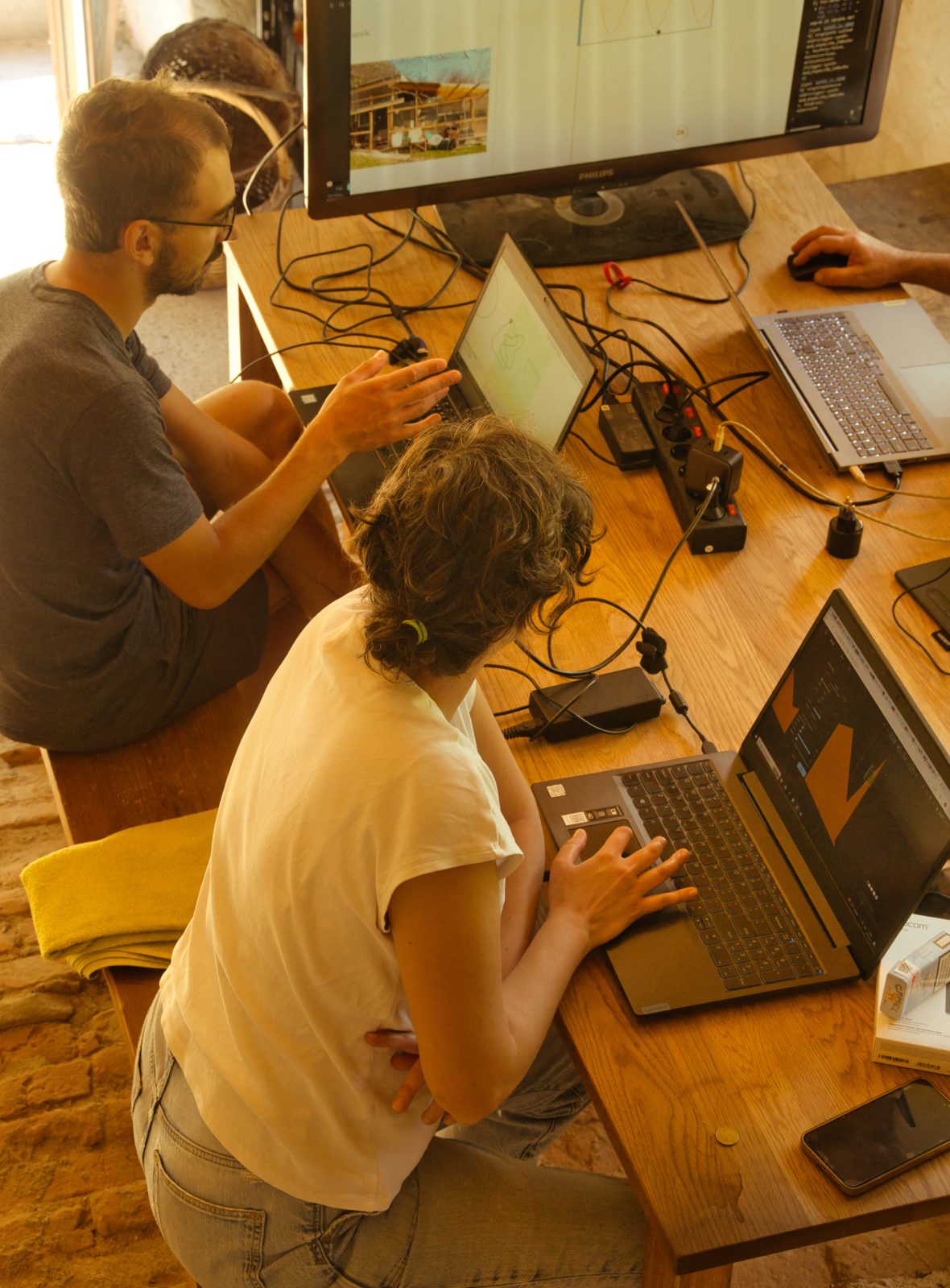
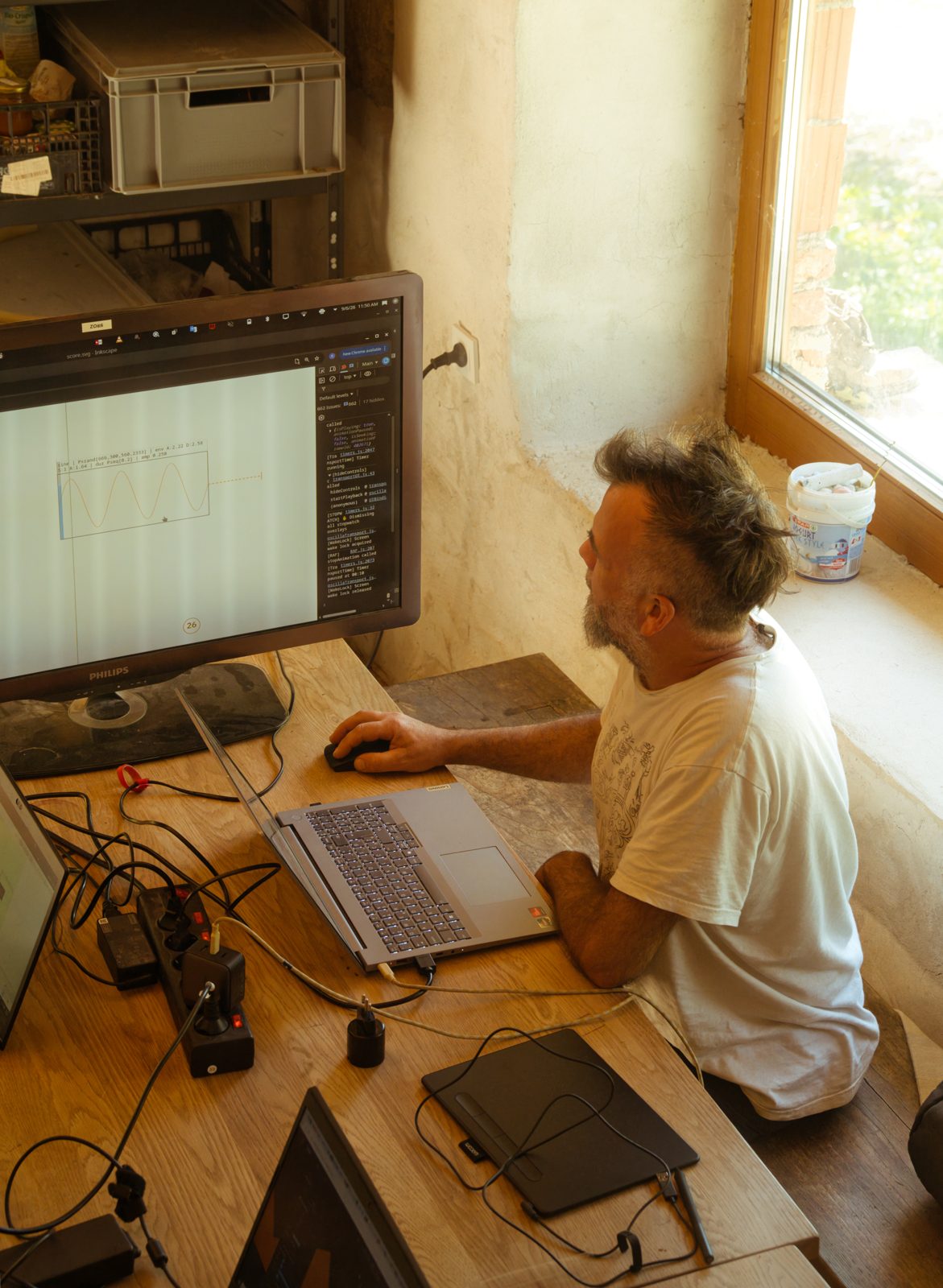
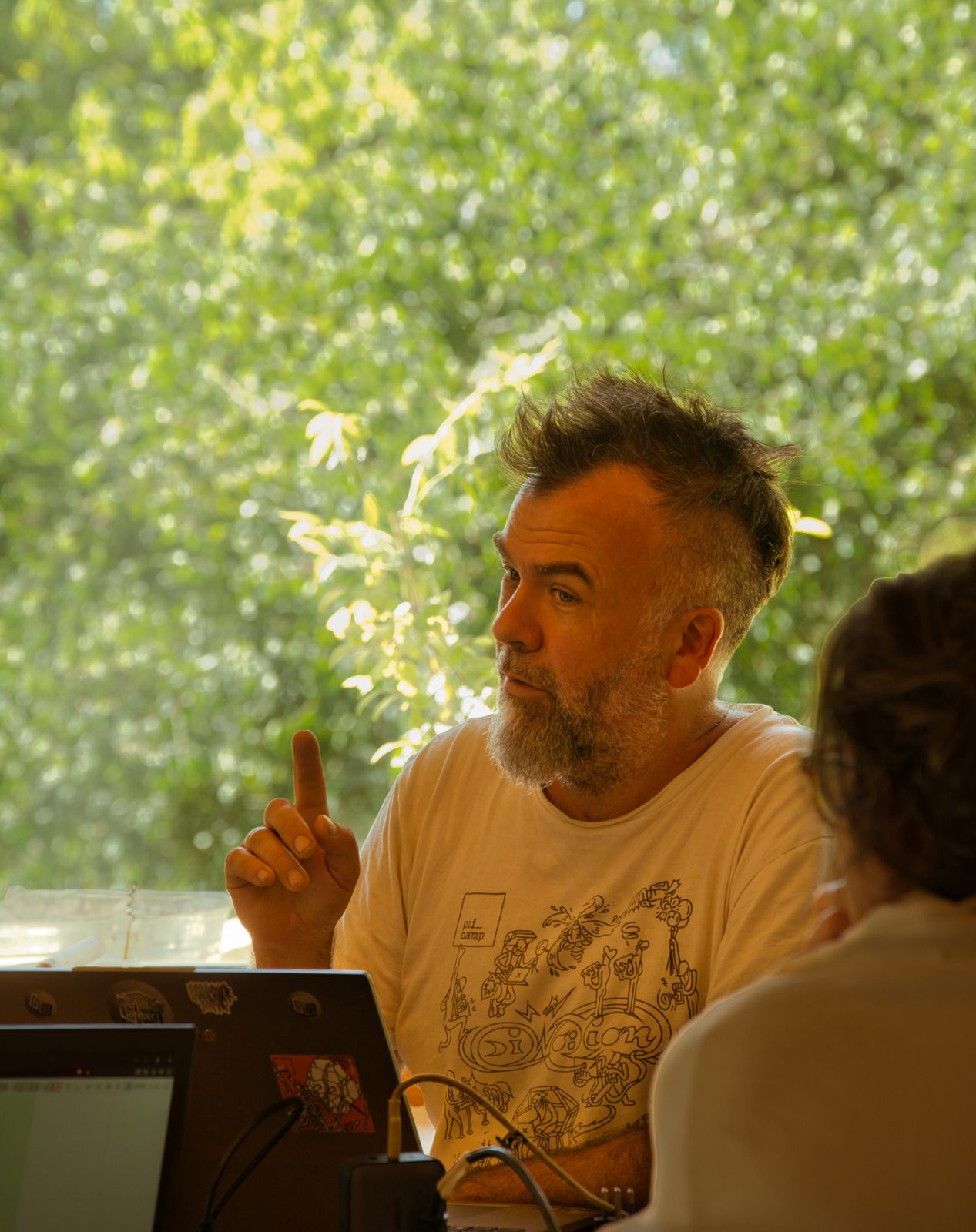
In September 2026 four sound artists lived and worked at Zavod Rizoma for 28 days, exploring animated graphic notation and networked scores with Oscilla — an open-source framework for animated graphic scores — under the mentorship of its creator, Rob Canning. This page gathers everything from the residency in one place: the residents and the people behind it, the month as it happened, the outcomes, and photos.
The Residents
Matteo Cenerini (Italy)
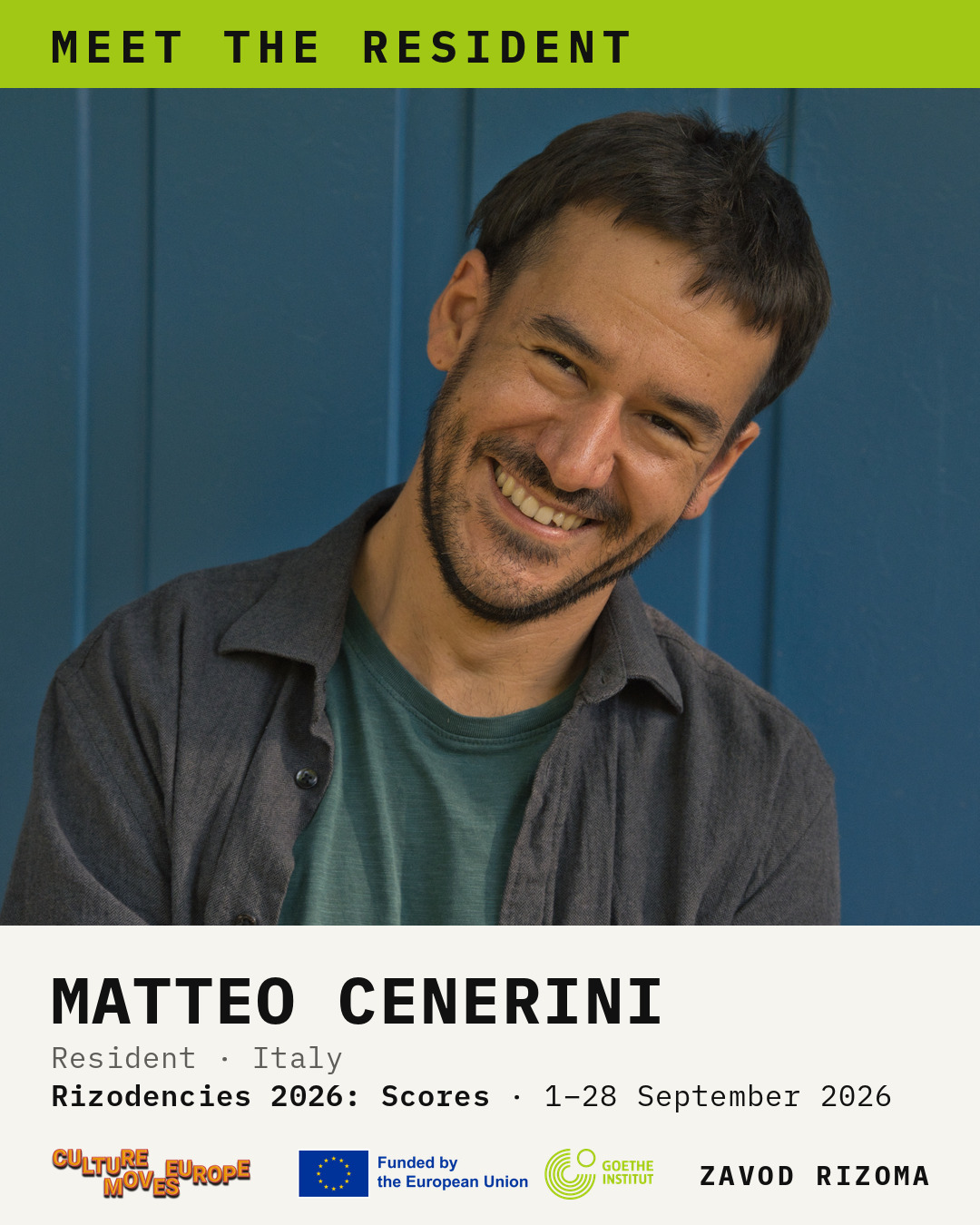
Matteo is a composer, improviser and performer based in Milan, with degrees in composition, musicology and jazz guitar. His works have been performed by ensembles across Italy and Europe — including Mdi Ensemble, FontanaMix and the Moscow Contemporary Music Ensemble — and presented at festivals such as Mixtur (Barcelona) and Accademia Chigiana. He performs regularly in free improvisation contexts as a member of Crisis Ensemble and Conserere, and collaborates with poets, dancers and visual artists.
Coming into Rizodencies with a lot of curiosity: exploring what a tool like Oscilla can open up for graphic notation, making music in close collaboration with other musicians over a longer stretch of time, and just being part of a shared, communal way of living and working for a month. Looking forward to it.
Filip Dobrocký (Slovakia)
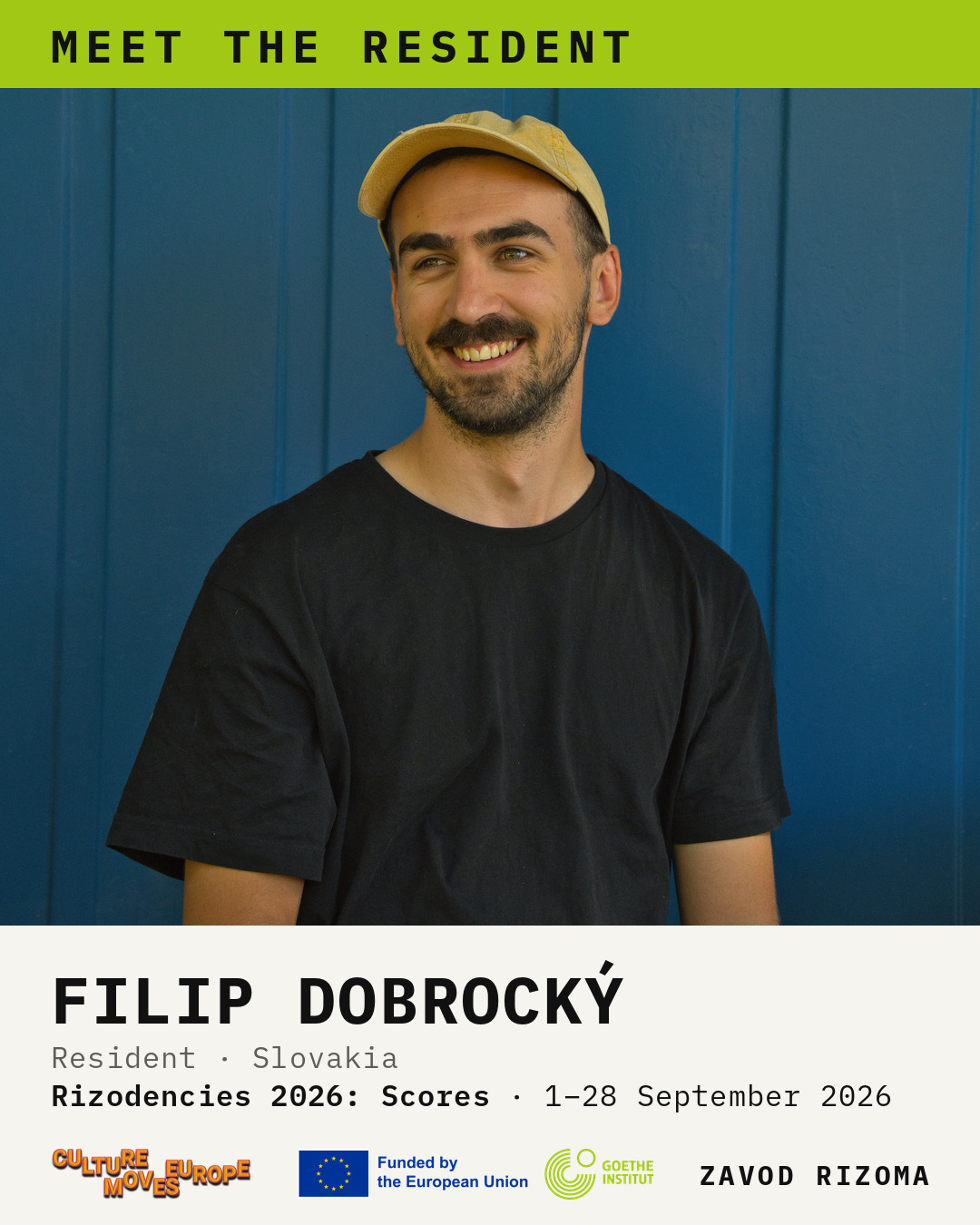
Filip is a sound artist and engineer based in Brno, with a background spanning audio engineering (Brno University of Technology), multimedia creation (Janáček Academy), and computer music and sound art (IEM Graz, Erasmus). He develops VST plugins at Audified, creates sound design for theatre, and works on interactive audio installations, creative coding and embedded audio hardware. His practice moves fluidly between the technical and the artistic — equally at home writing DSP code and building live electronic performance systems.
During my residency I hope to learn how to create a live graphic score that will conduct a mobile networked ensemble. I want to work with scores relating to movement in geographical space, which I hope to make use of in my upcoming project with an ensemble of cyclists.
Jovana Dragojević (Serbia)
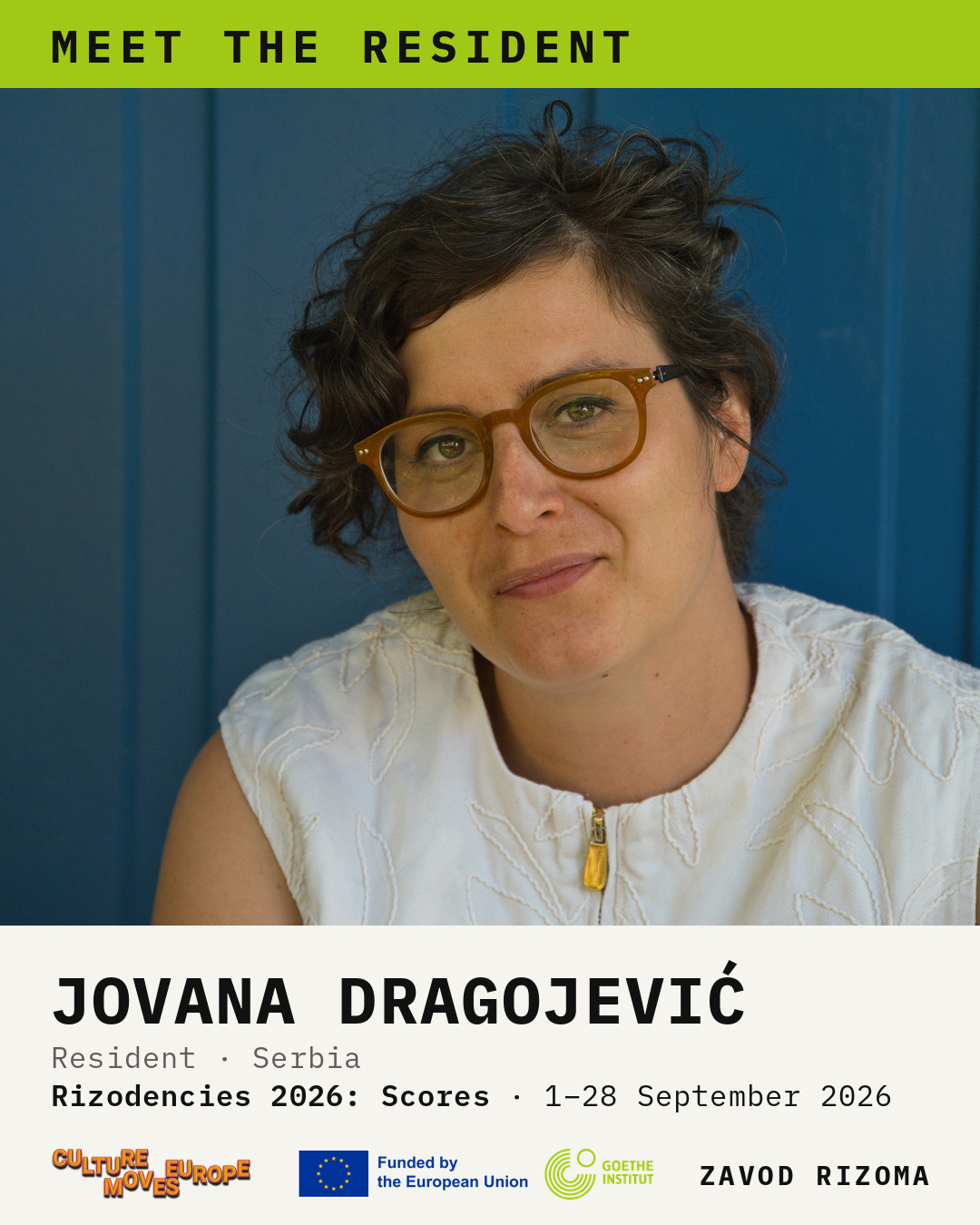
It has always been about music, but Jovana encounters her sonic truth in her early thirties :)
Member of Laptop Ensemble Novi Sad,
lover of musique concrète,
and on her way to becoming a sound researcher.
Graphic notation has opened up new and lasting fields of exploration in my practice, particularly through improvisation, networked performance and alternative approaches to composition. This workshop feels like a natural continuation of that research.
Grgur Savić (Croatia/Germany)
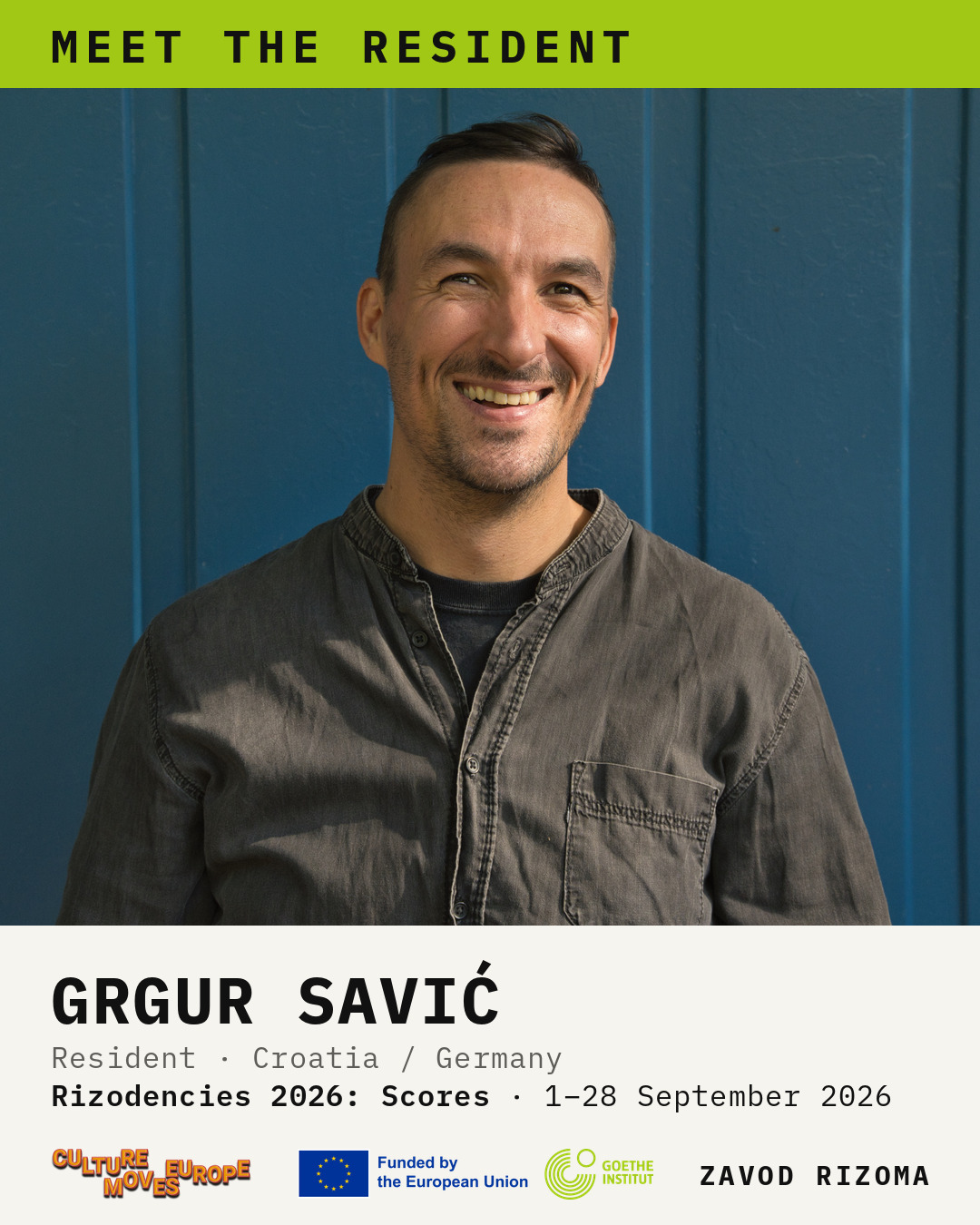
Grgur is a Croatian-born, Berlin-based artist-composer whose practice develops graphic scores as performative systems — visual artworks that define relationships, temporal conditions and spatial dynamics for performers to activate in real time. He holds a Master's in Music Composition with a focus on graphic notation from CATALYST Berlin, has shown and performed his work at venues including the Radio Symphony Orchestra Berlin centenary (Kühlhaus Berlin), Sonic Matter Zurich, CTM/Transmediale and the Kanazawa International Experimental Music Festival, and is the founder of the Night of Graphic Scores series in Berlin.
Over the next month at Rizodencies, I'll be extending my work with graphic notation into moving, time-based forms. Using OSCILLA for the first time, I'll explore animation, networked notation, and spatial sound, investigating how graphic scores can become living performance environments rather than static representations. I'm curious to see how a month of shared practice, experimentation, collaboration and exchange will shape the next stage of my work. The rest will be written in real time.
Mentor and Team
Rob Canning (Mentor)
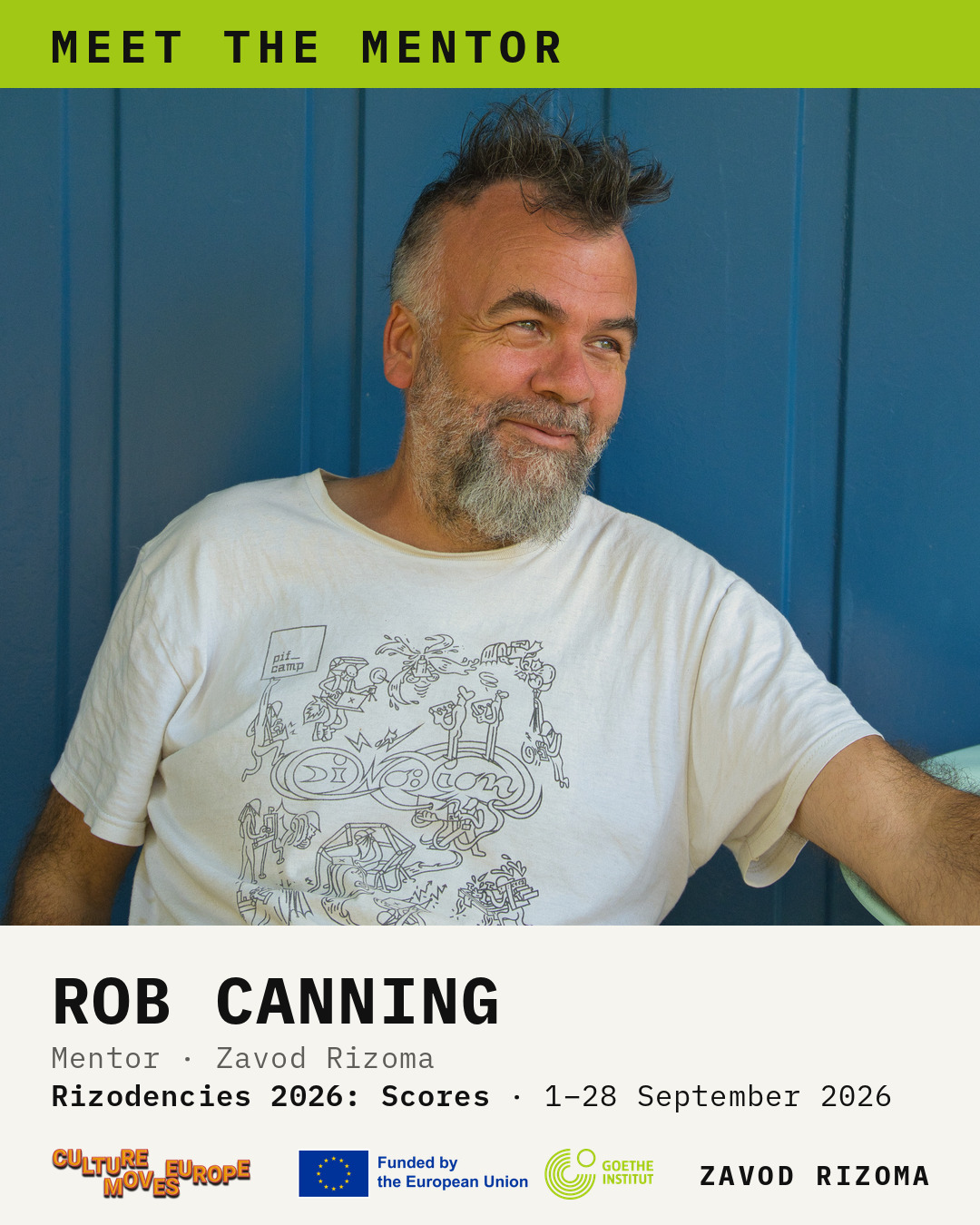
Rob Canning is a composer, sound artist and developer. Creator of Oscilla. PhD in Musical Composition (Goldsmiths, University of London). Over 25 years in technology-mediated composition. Recipient of the Macaulay Fellowship (Arts Council of Ireland). RTÉ commission for the London Sinfonietta (2002); selected for ISCM World Music Days. Presentations at TENOR 2025 (Beijing), TENOR 2026 (Vienna), ICMC 2026 (Hamburg). Former Senior Lecturer & Course Director at Coventry University, Bournemouth University and University of the Arts London.
Lea Kaufmann (Volunteer)
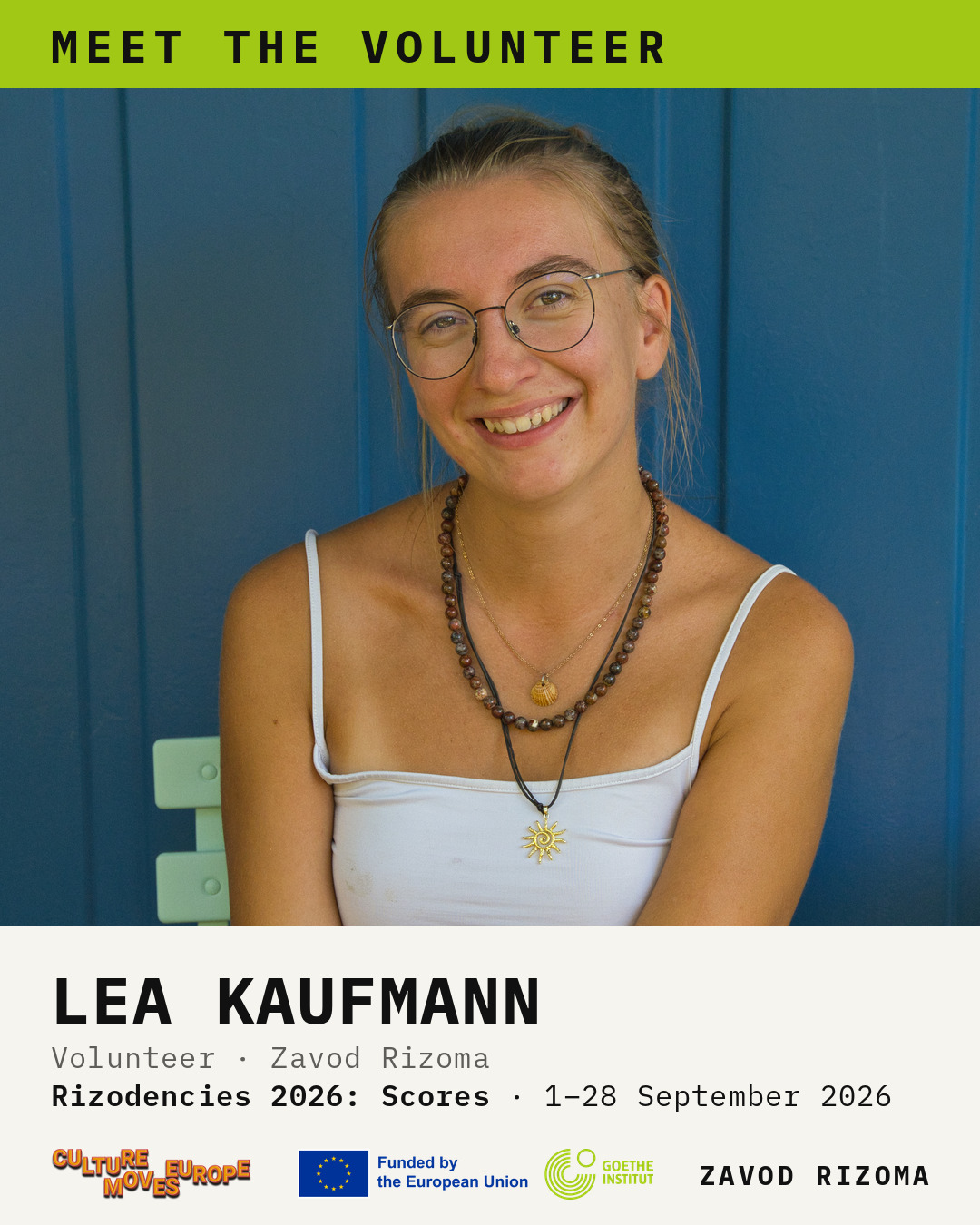
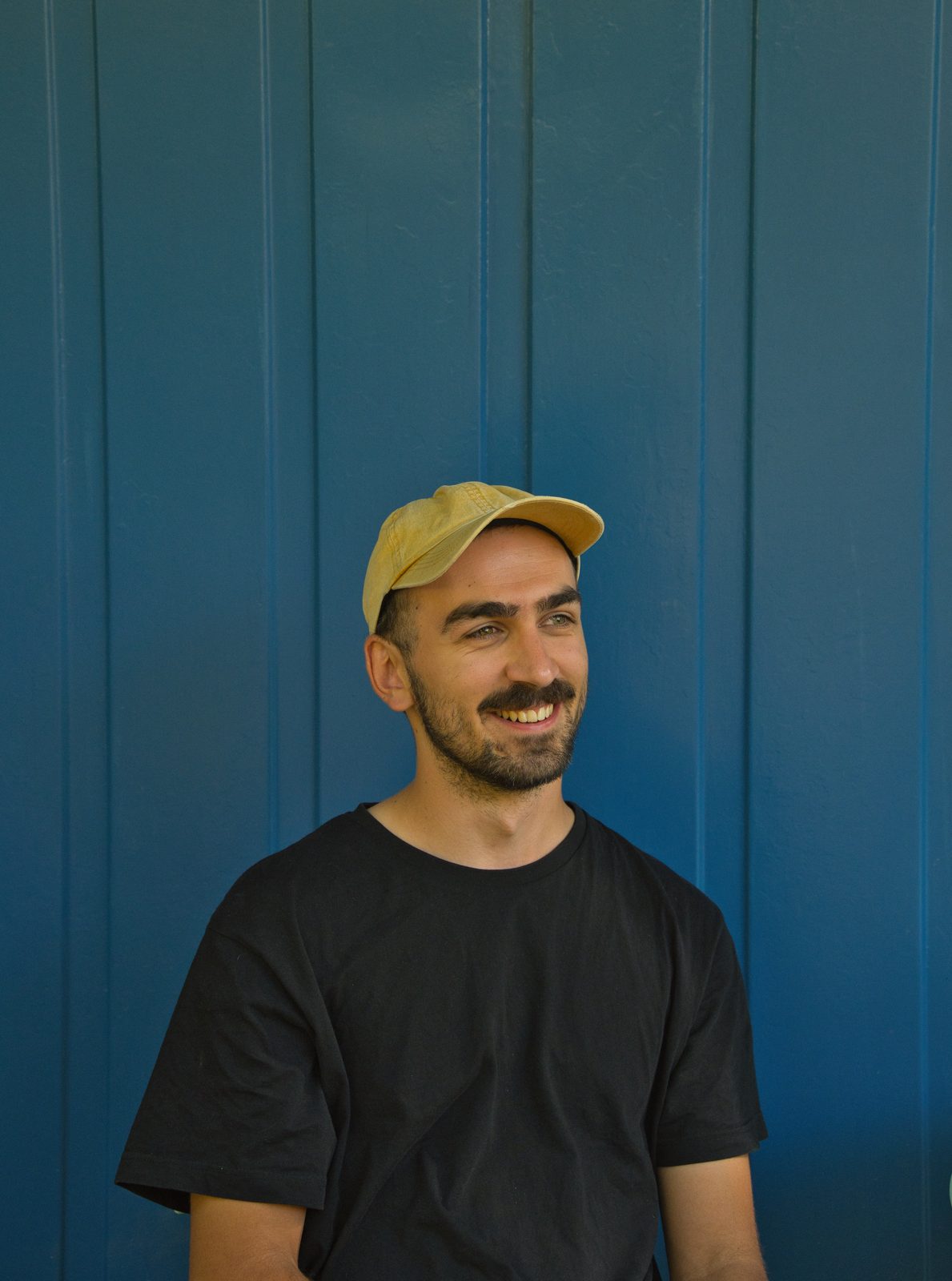
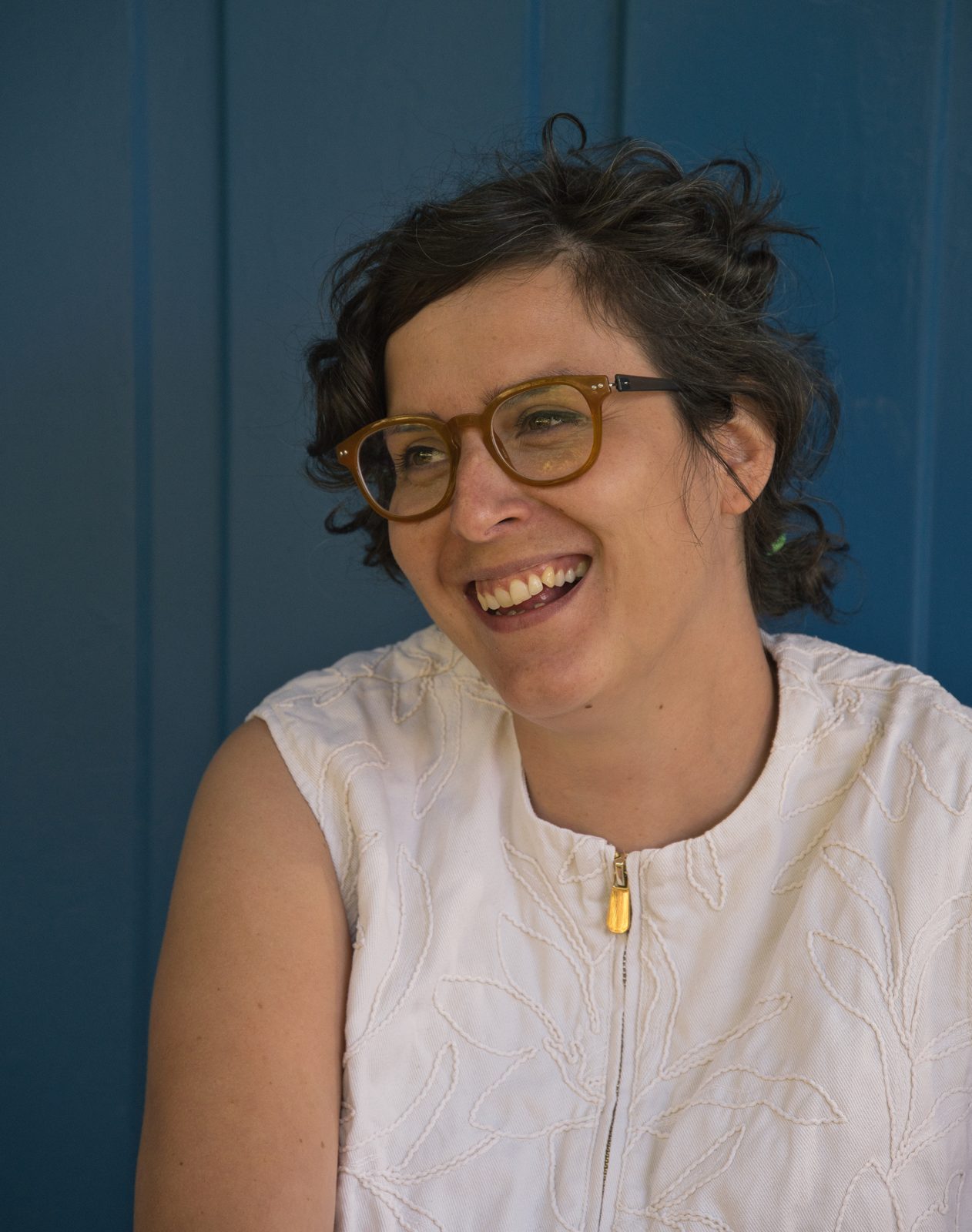
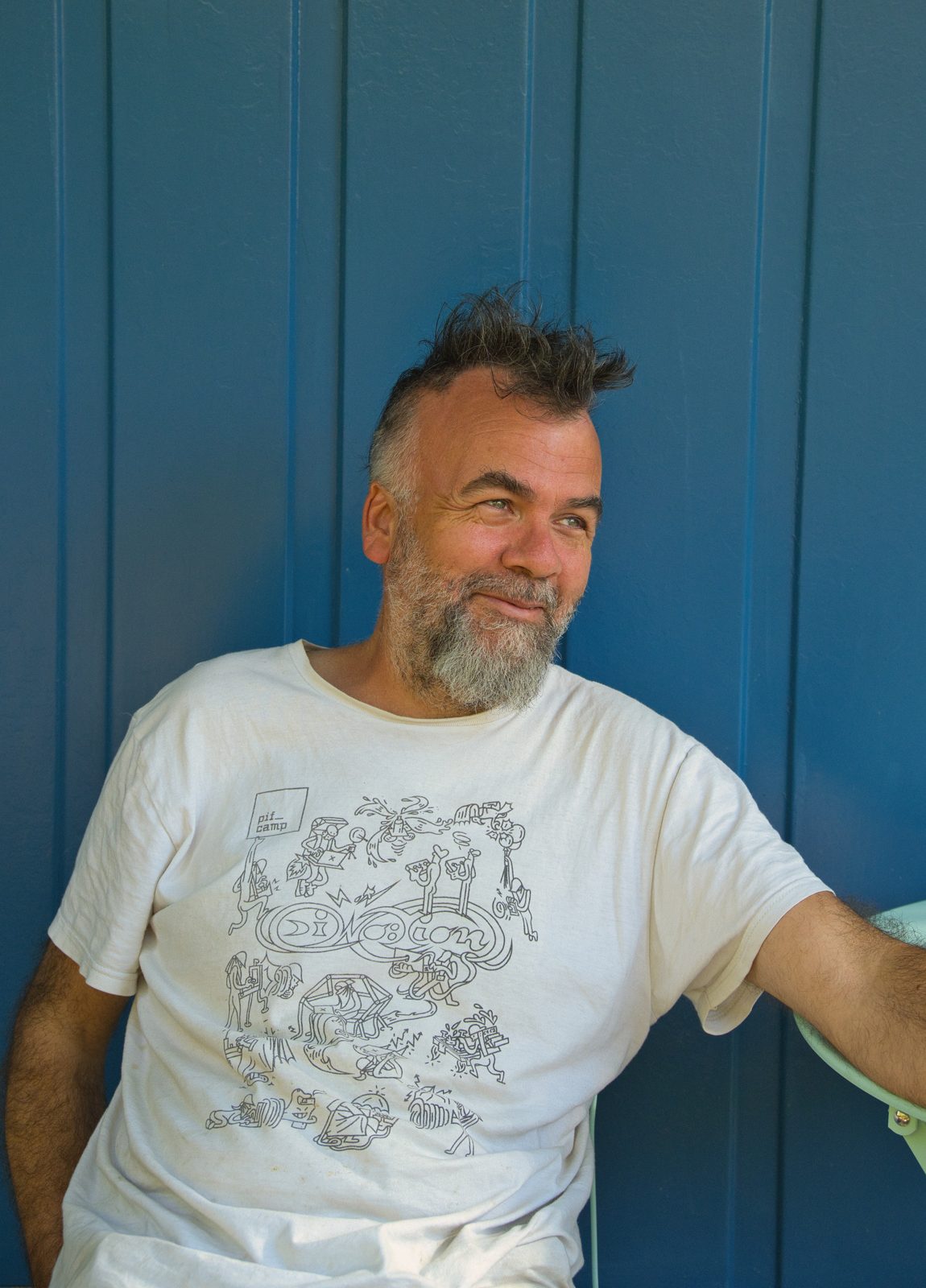
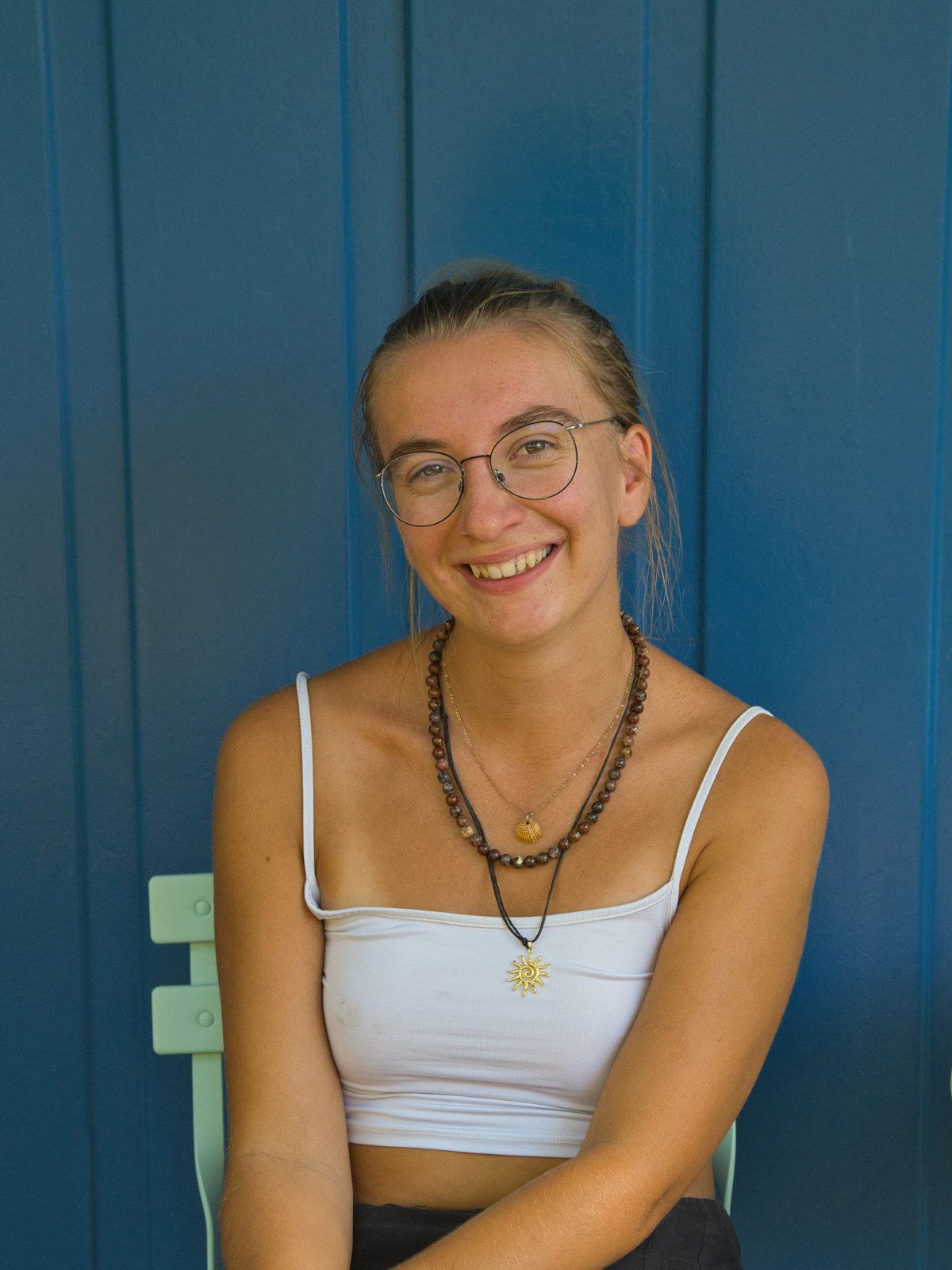
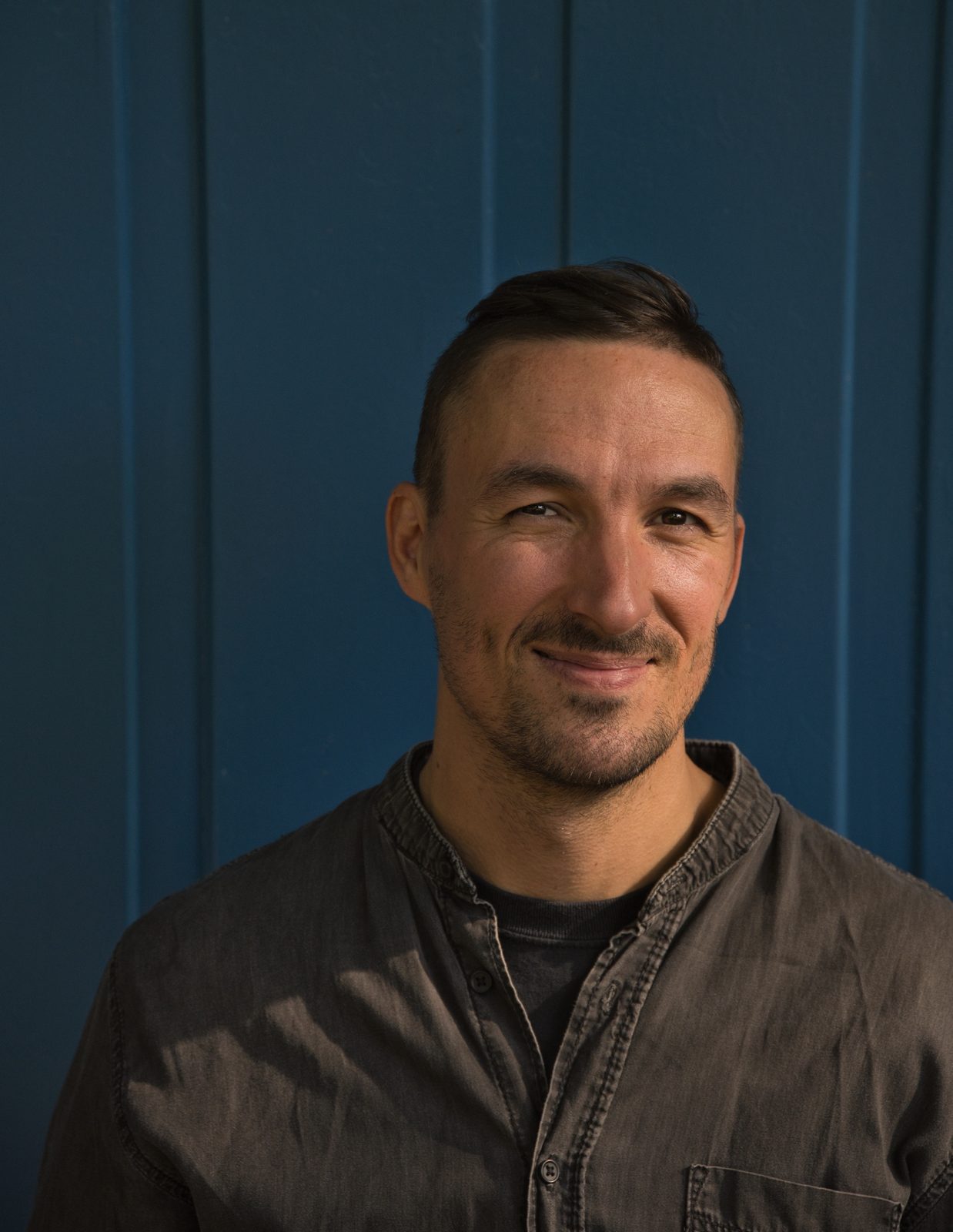
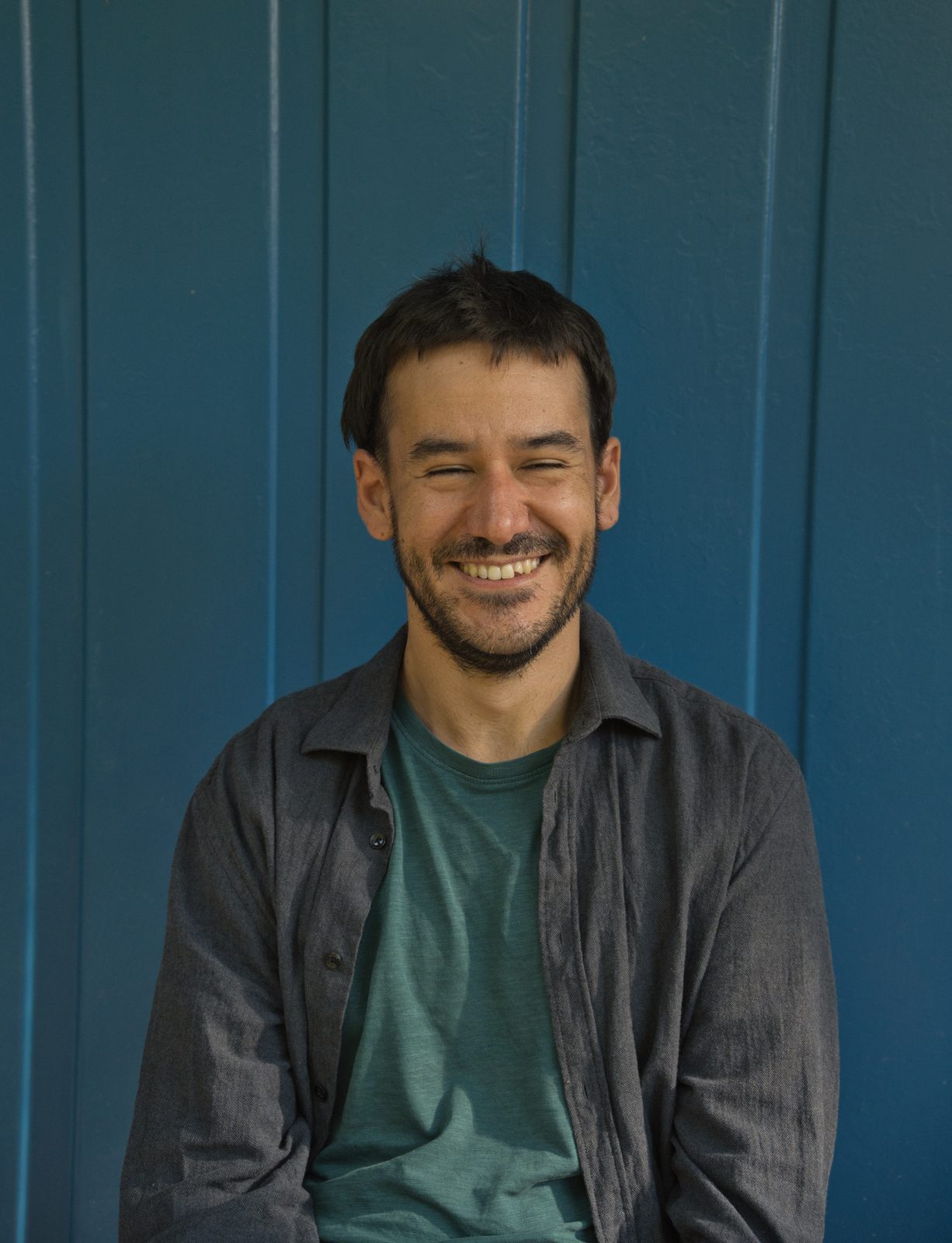
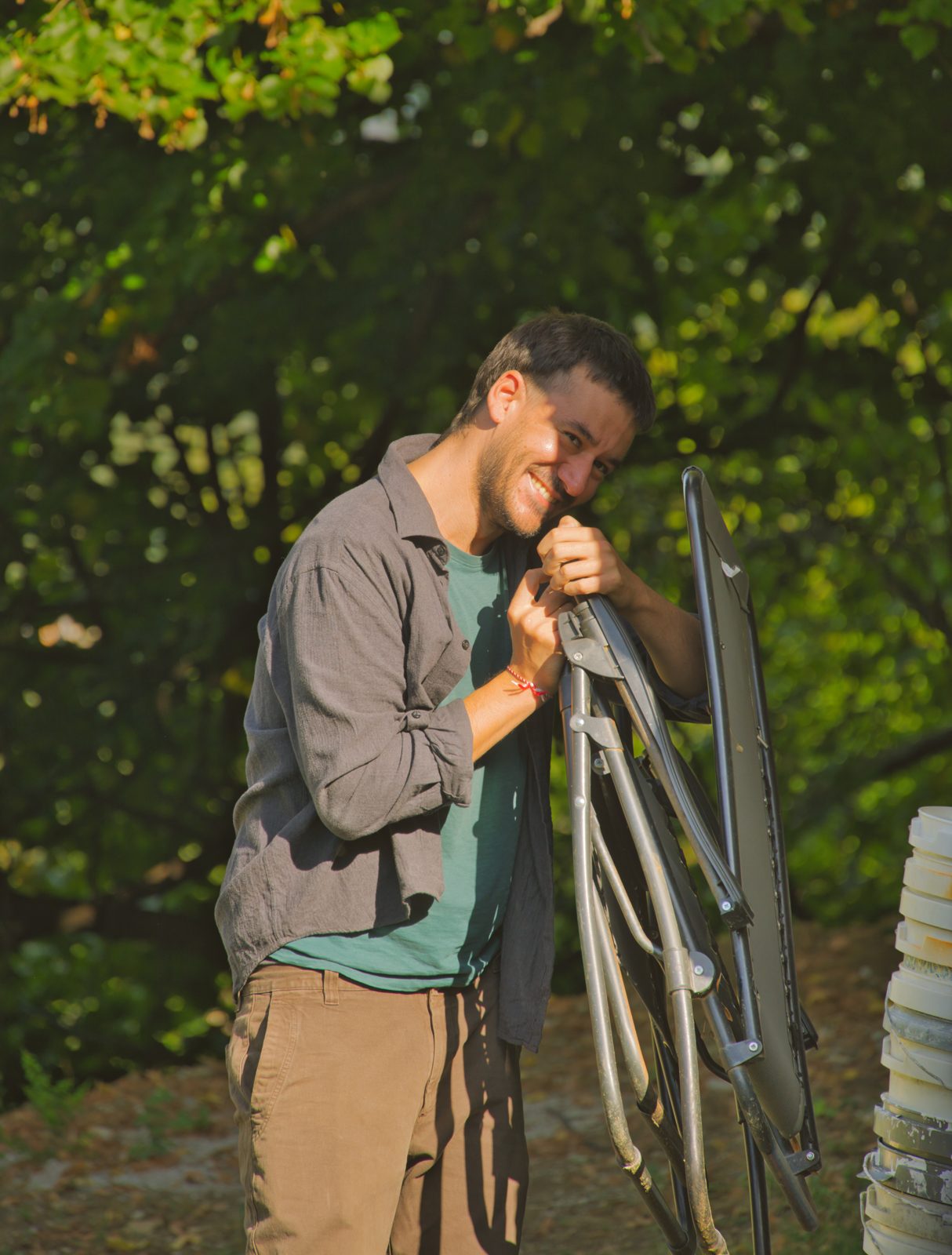
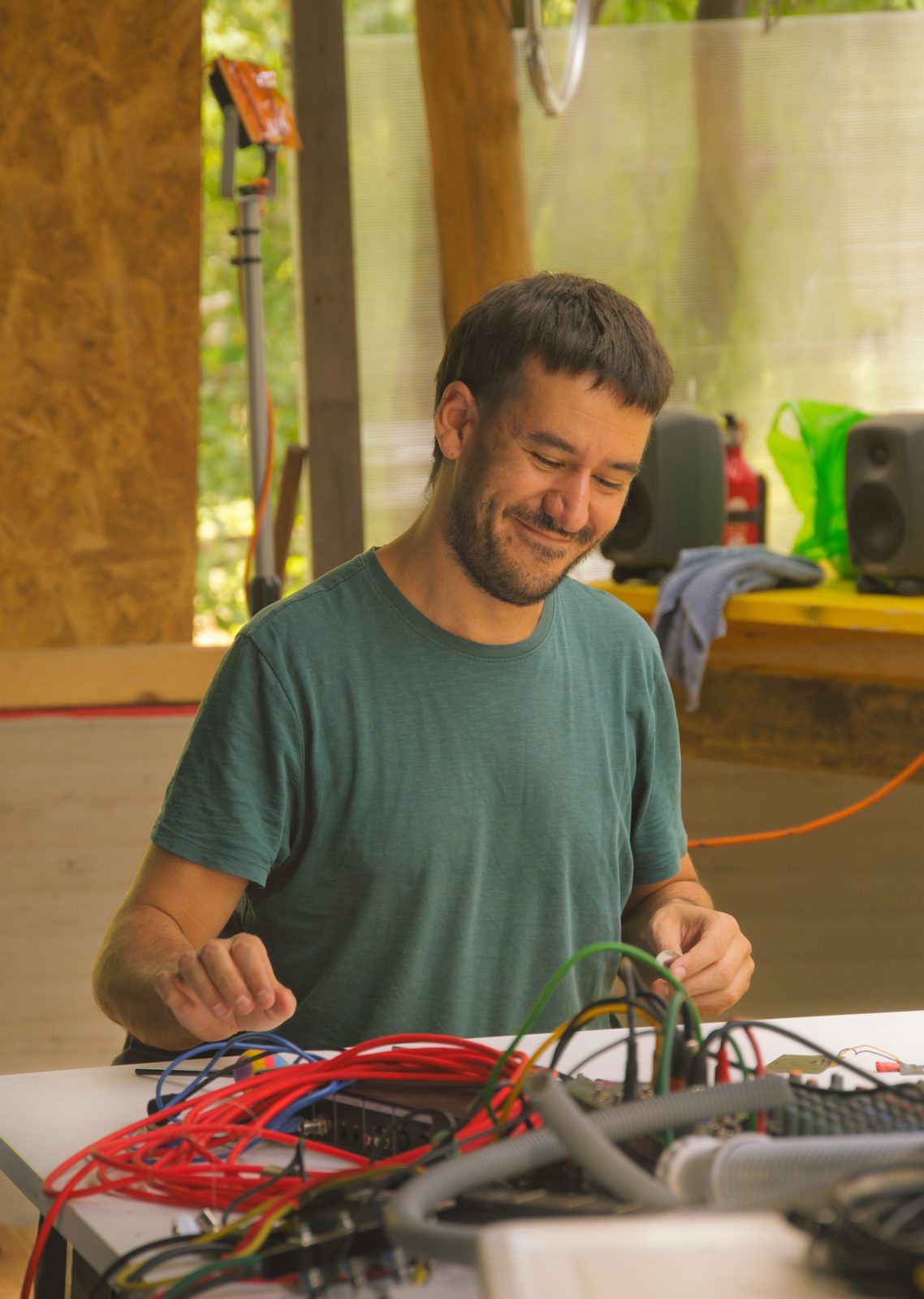
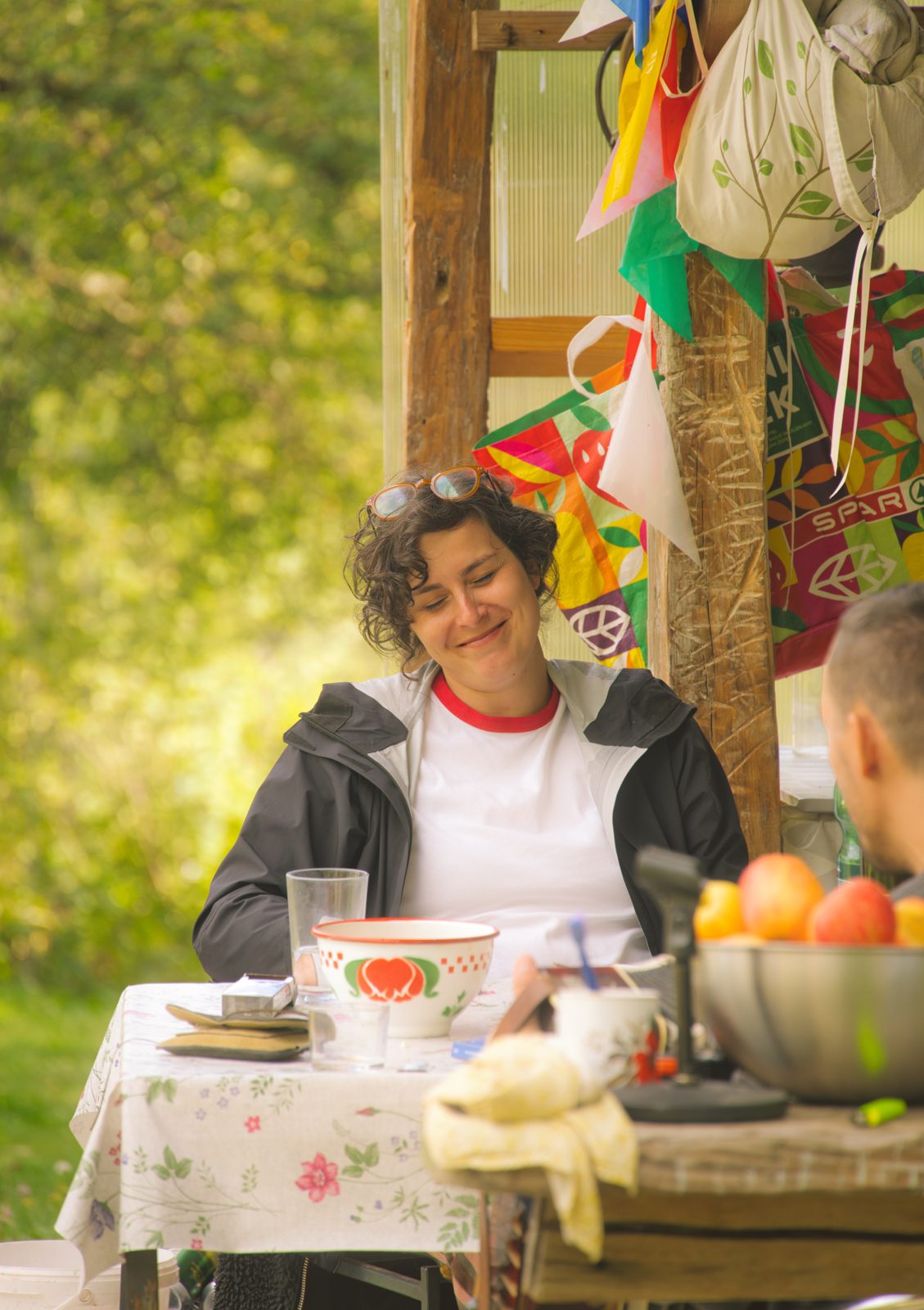
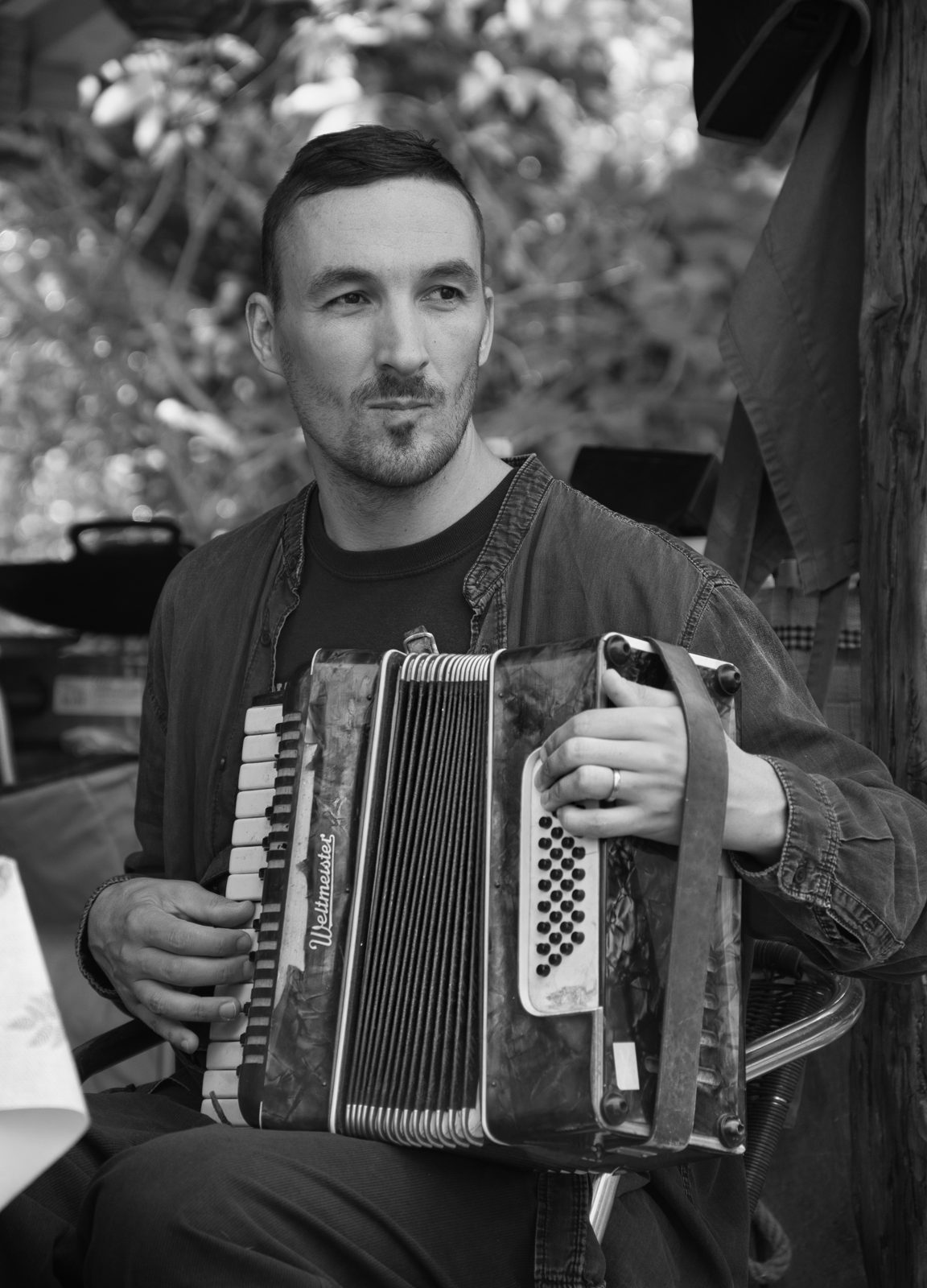
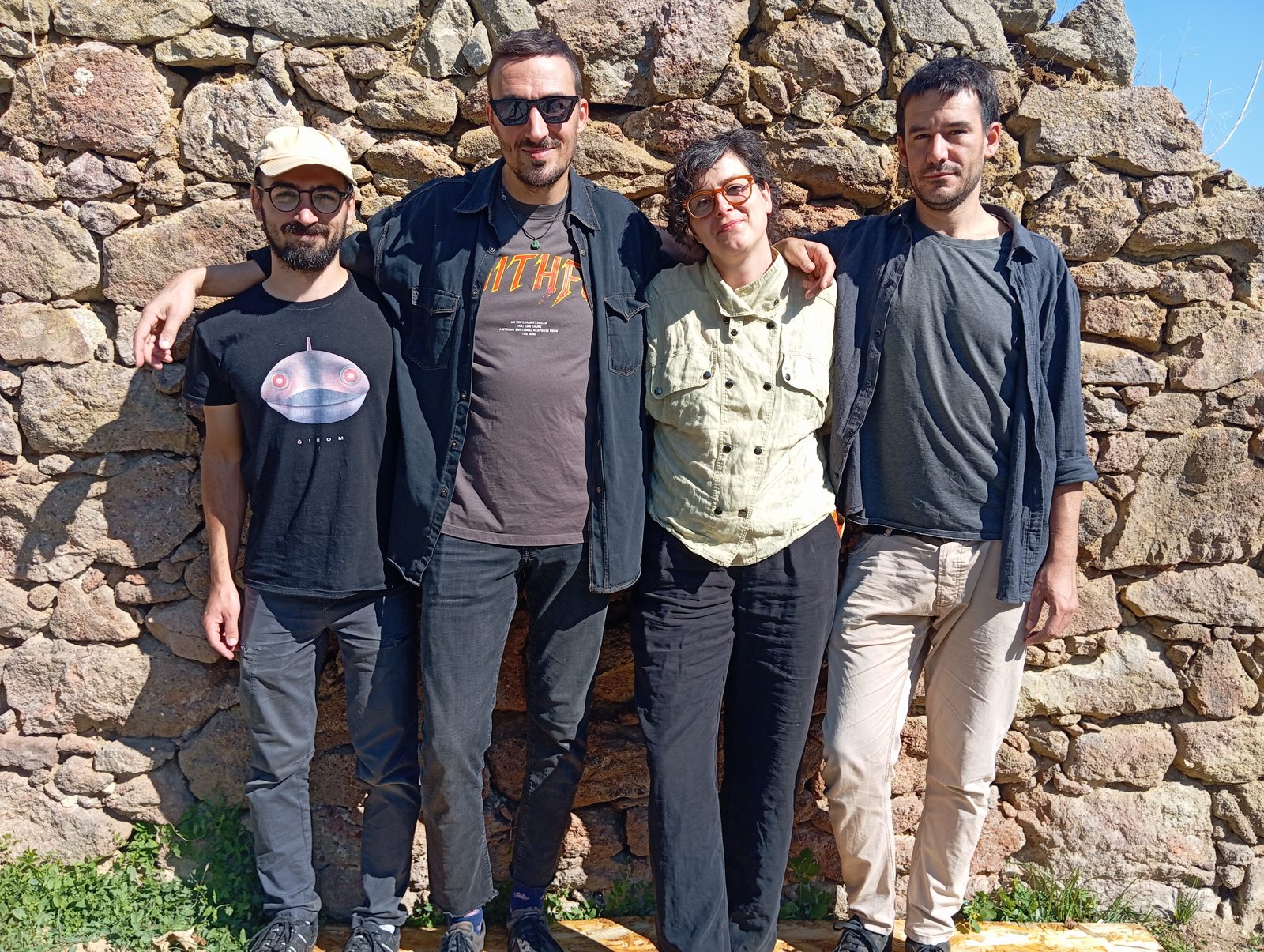
Lea volunteered at Zavod Rizoma during Rizodencies 2026, helping everything run smoothly, and photographed the residency, including the portraits on this page.
She came through Rizoma's ongoing volunteer residency programme on Workaway, which brings young people from across Europe to live and work on the site. Volunteers helped prepare the residency and supported it while it ran.
Portraits: Lea Kaufmann (@_leaslens_)
The Month
May — Open Call
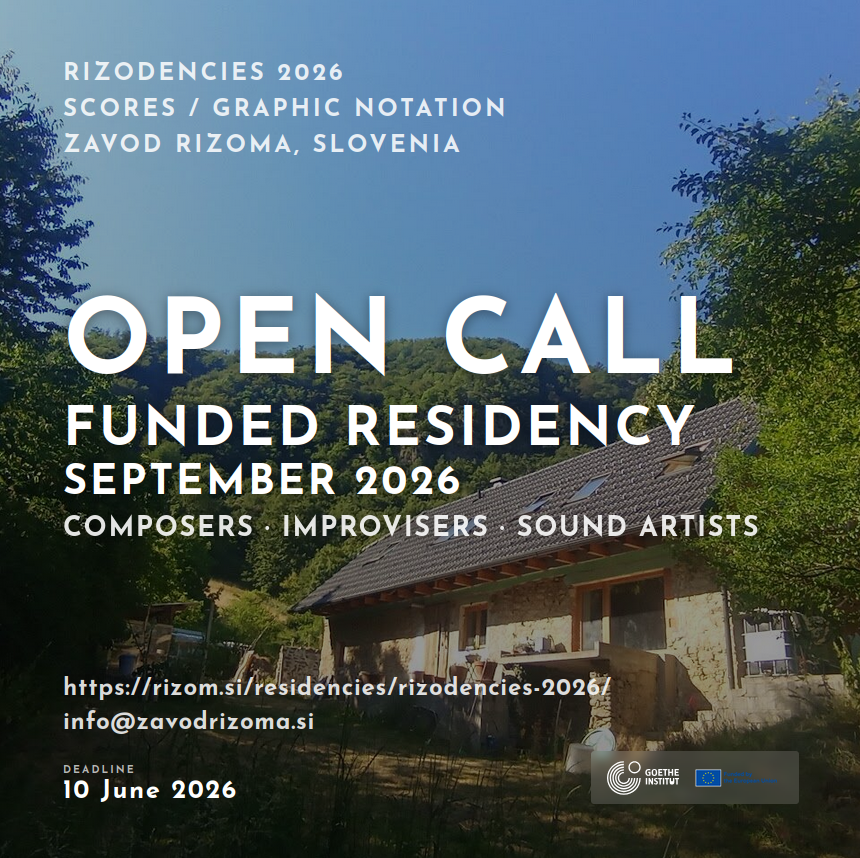
The open call for a funded 28-day residency went out to composers, improvisers and sound artists resident in Creative Europe countries, with a deadline of 10 June 2026. Read the original open call →
8 August — Residents Announced
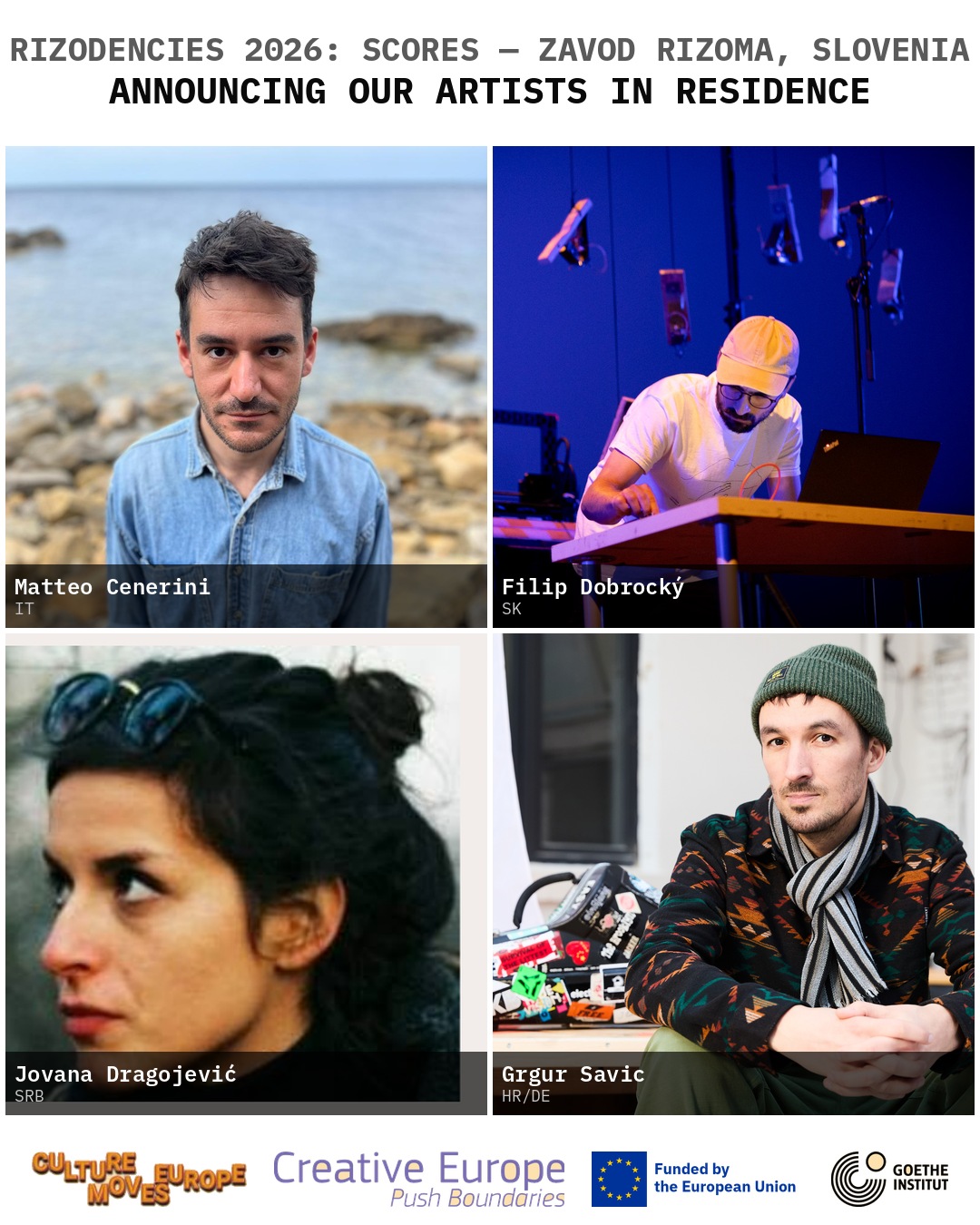
Four residents were selected: Matteo Cenerini (Italy), Filip Dobrocký (Slovakia), Jovana Dragojević (Serbia) and Grgur Savić (Croatia/Germany).
September — We've Started!
Four sound artists, 28 days, animated graphic scores, deep in the hills of Haloze. Video by resident Jovana Dragojević — turn the sound on.
20 September — Playing Together: Rizodencies Meets the Neighbours
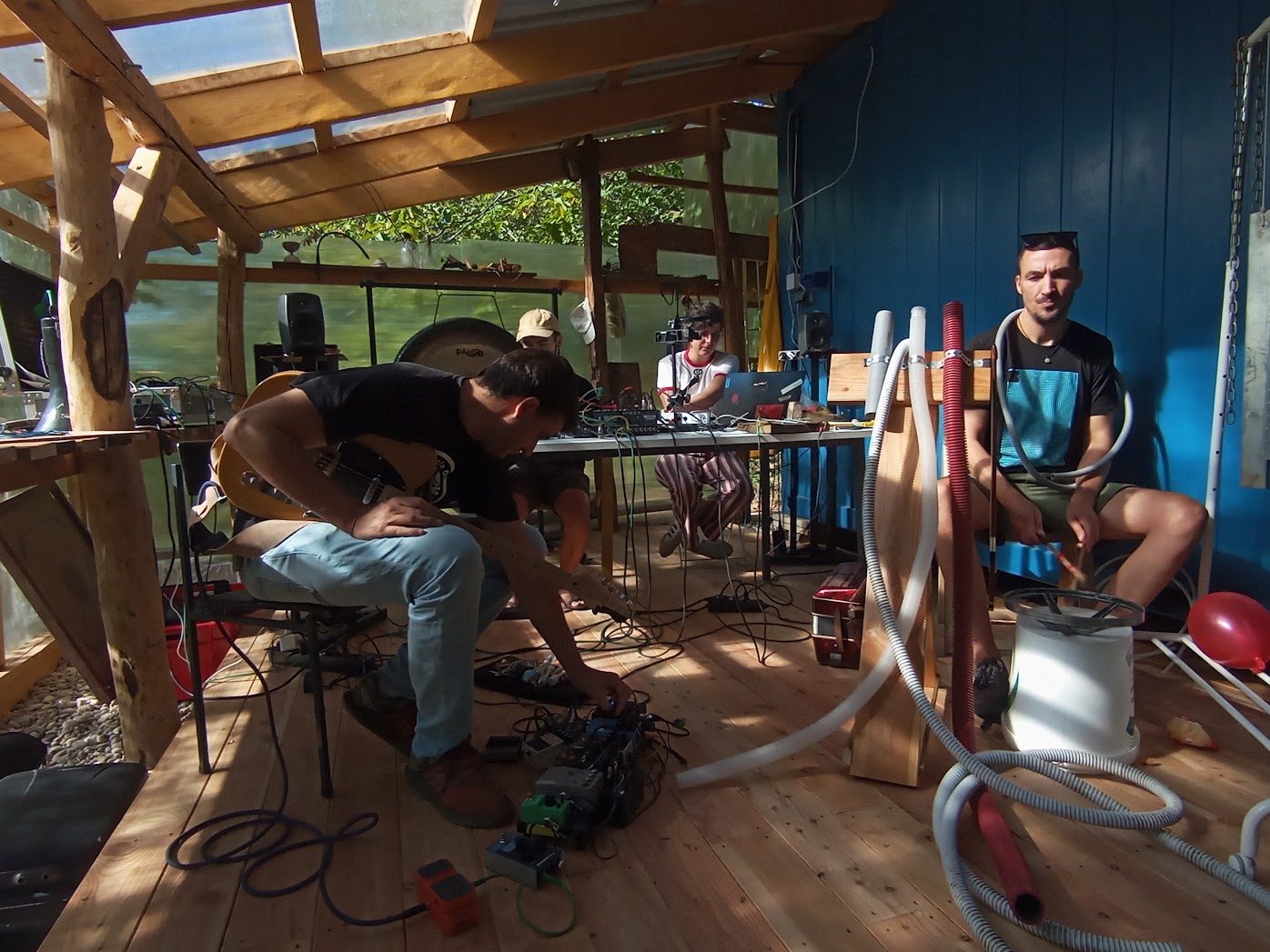
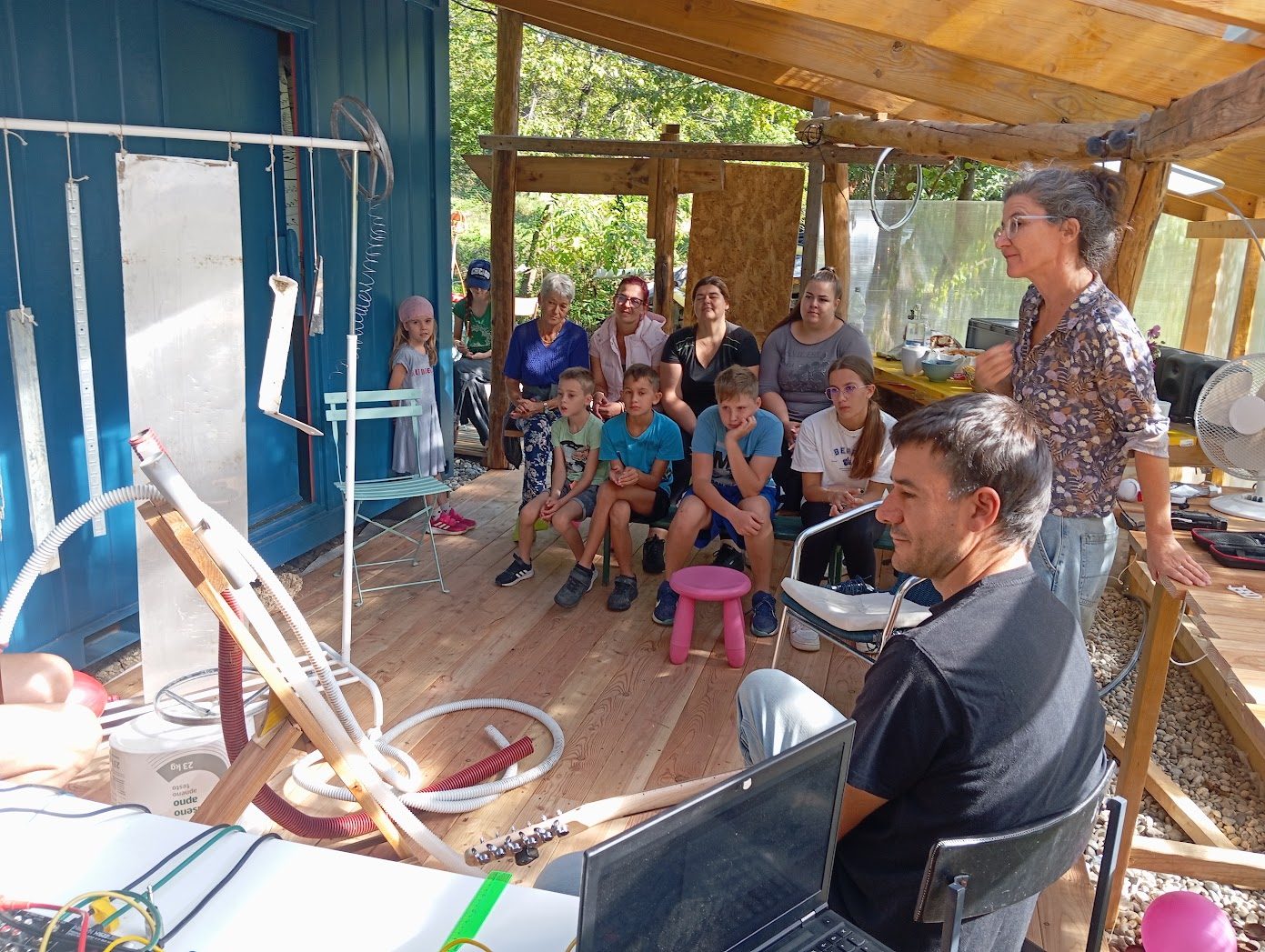
On Sunday 20 September the residents invited our neighbours — grown-ups and kids — to Rizoma to play alongside them. After three weeks of living and working in Čermožiše, the residents opened up their practice to the people around them in a shared improvisation session: for many of our neighbours, their first time taking part in one.
It went really well. Thank you to Rizodencies participants Grgur Savić, Jovana Dragojević, Matteo Cenerini, Filip Dobrocký and Rob Canning, and to our neighbours, who joined in and shared plenty of feedback afterwards.
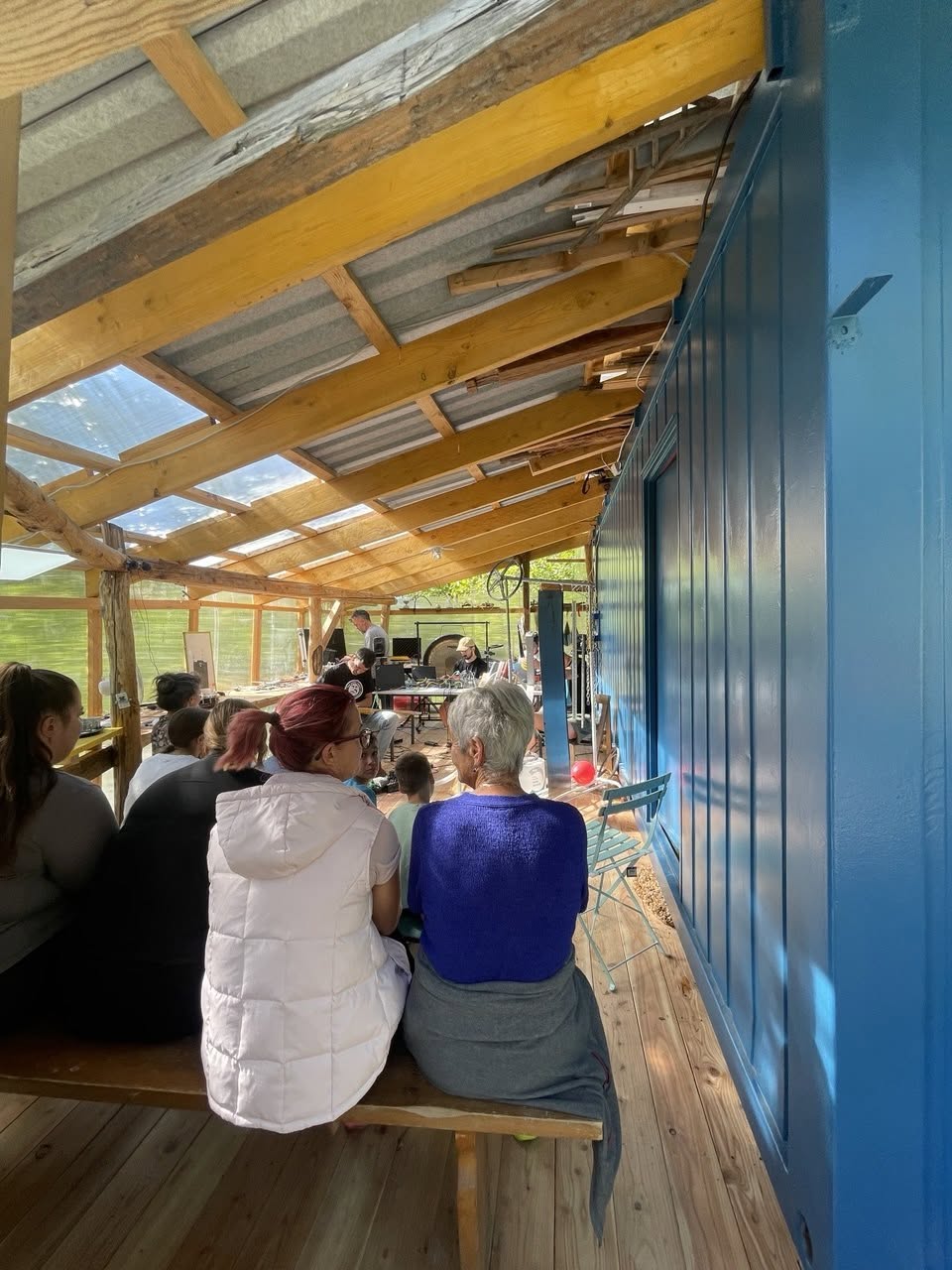
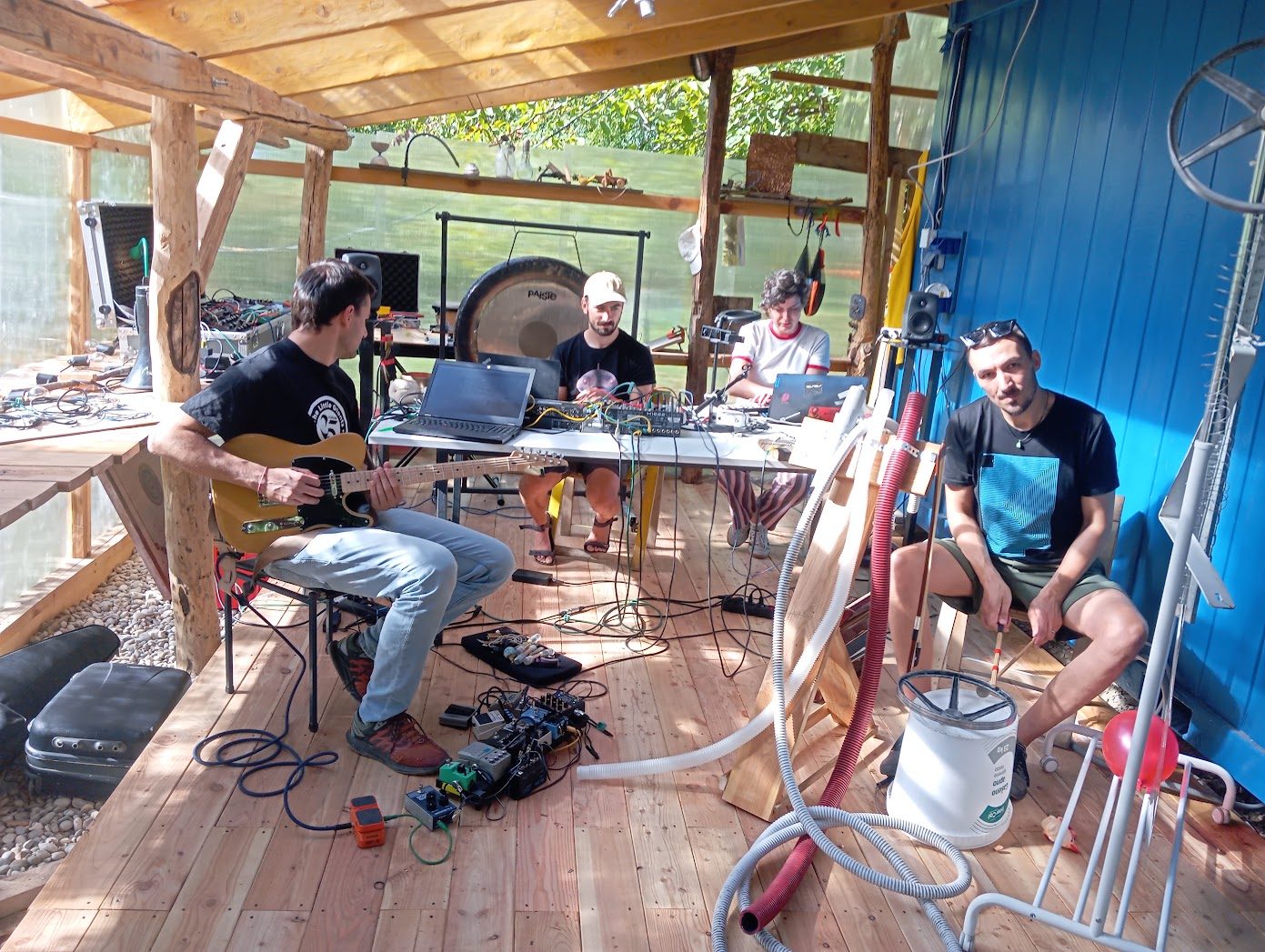
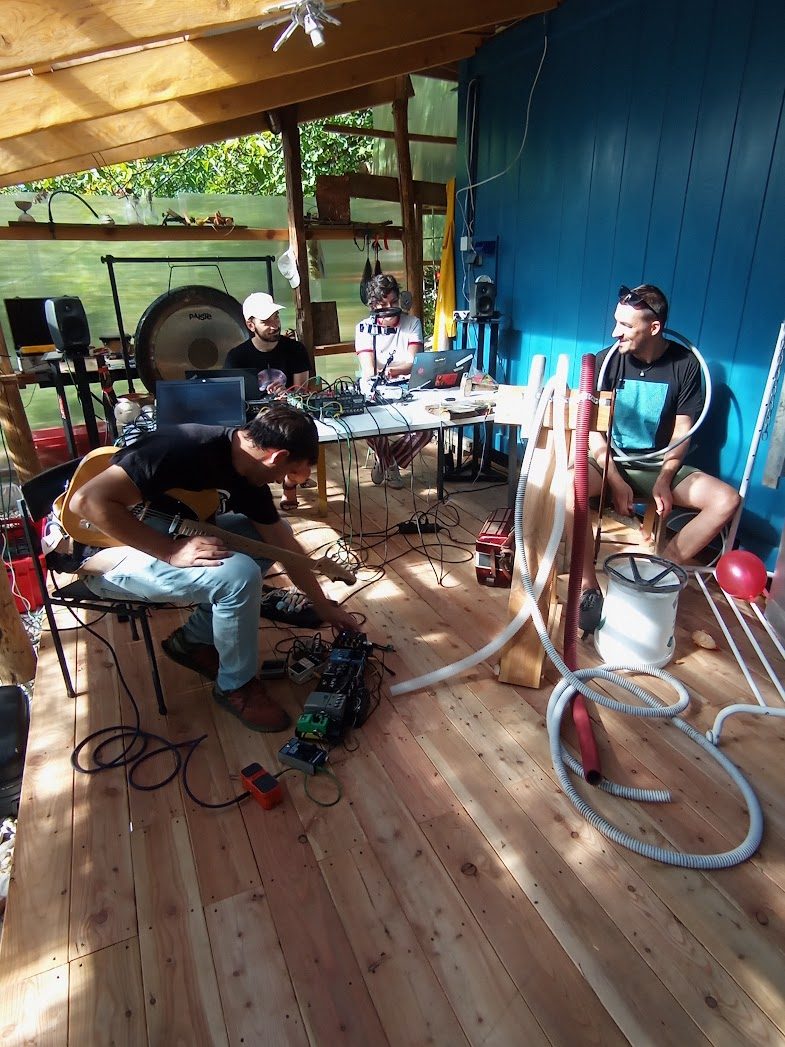
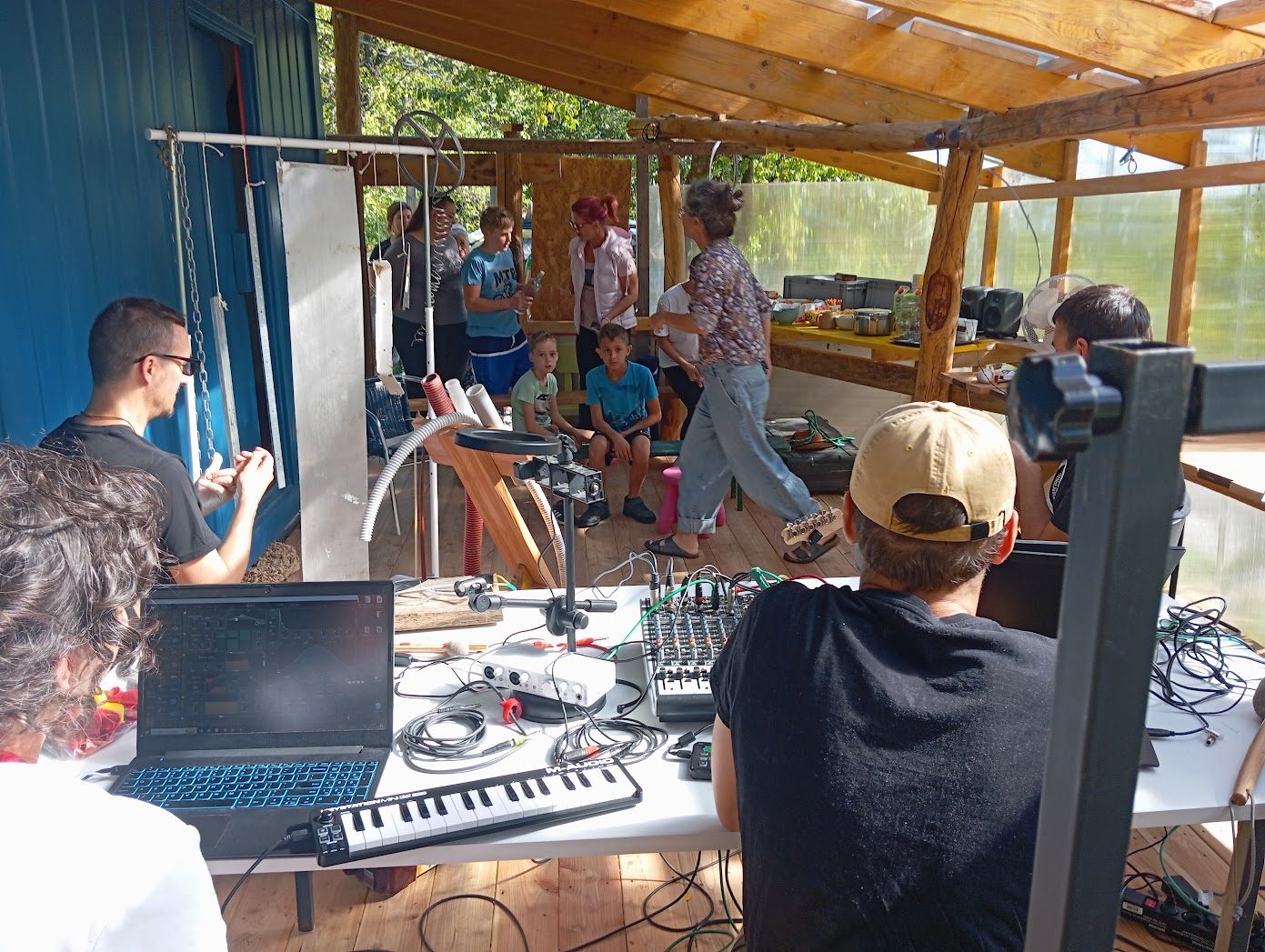
Photos: Rob Canning
Recordings: coming soon.
26 September — Closing Concert
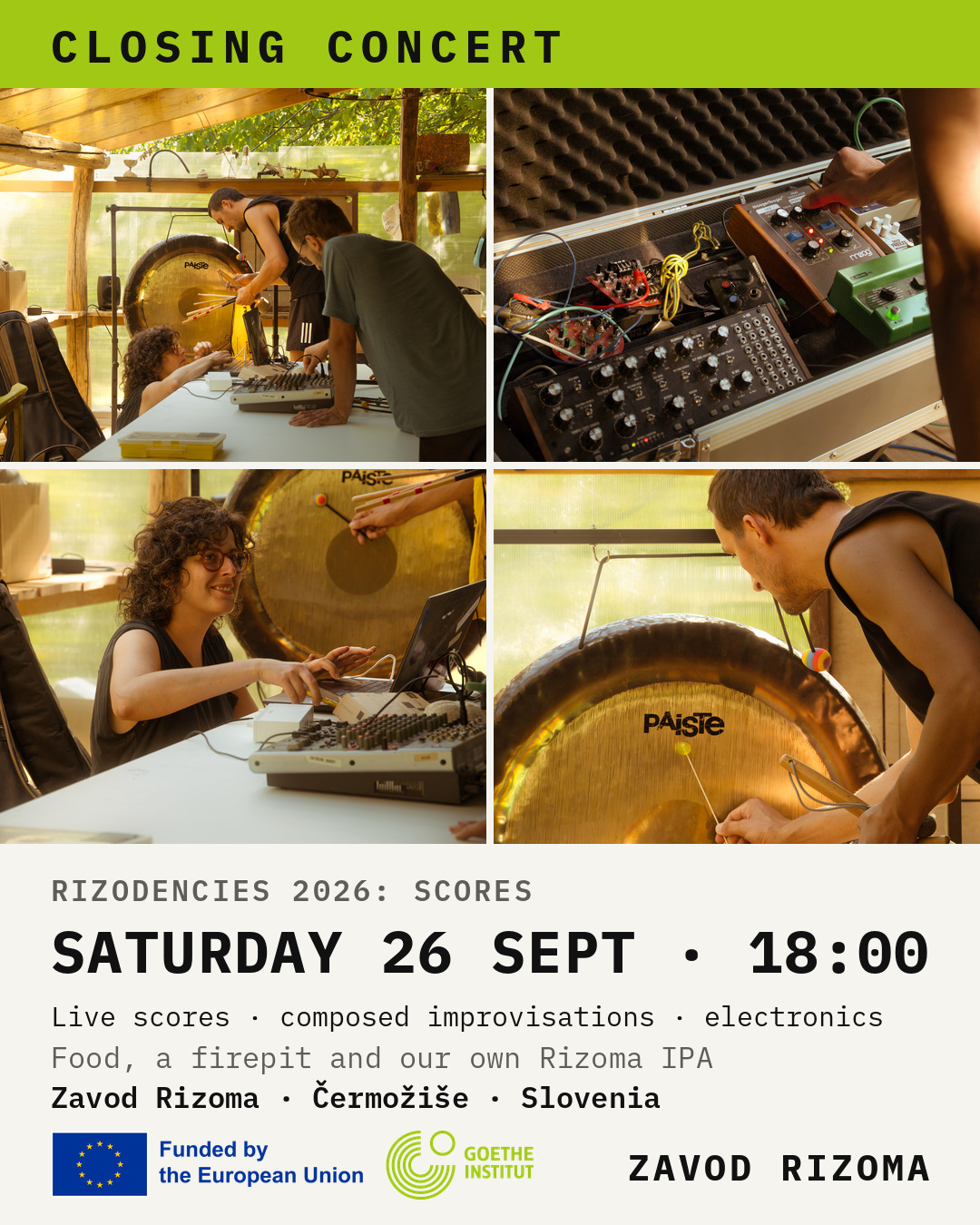
To close the Rizodencies 2026: Scores residency, the artists who have been living and working together at Zavod Rizoma will share what they've made. Expect live scores, composed improvisations and electronics, shaped by the weeks we spent listening, experimenting and playing together.
Performing: Grgur Savić, Jovana Dragojević, Matteo Cenerini, Filip Dobrocký and Rob Canning
Stay after the music. There will be food and a firepit to keep warm by, and the Rizoma IPA we brewed on the first day of the residency is finally ready to drink.
Neighbours, friends and anyone curious are welcome.
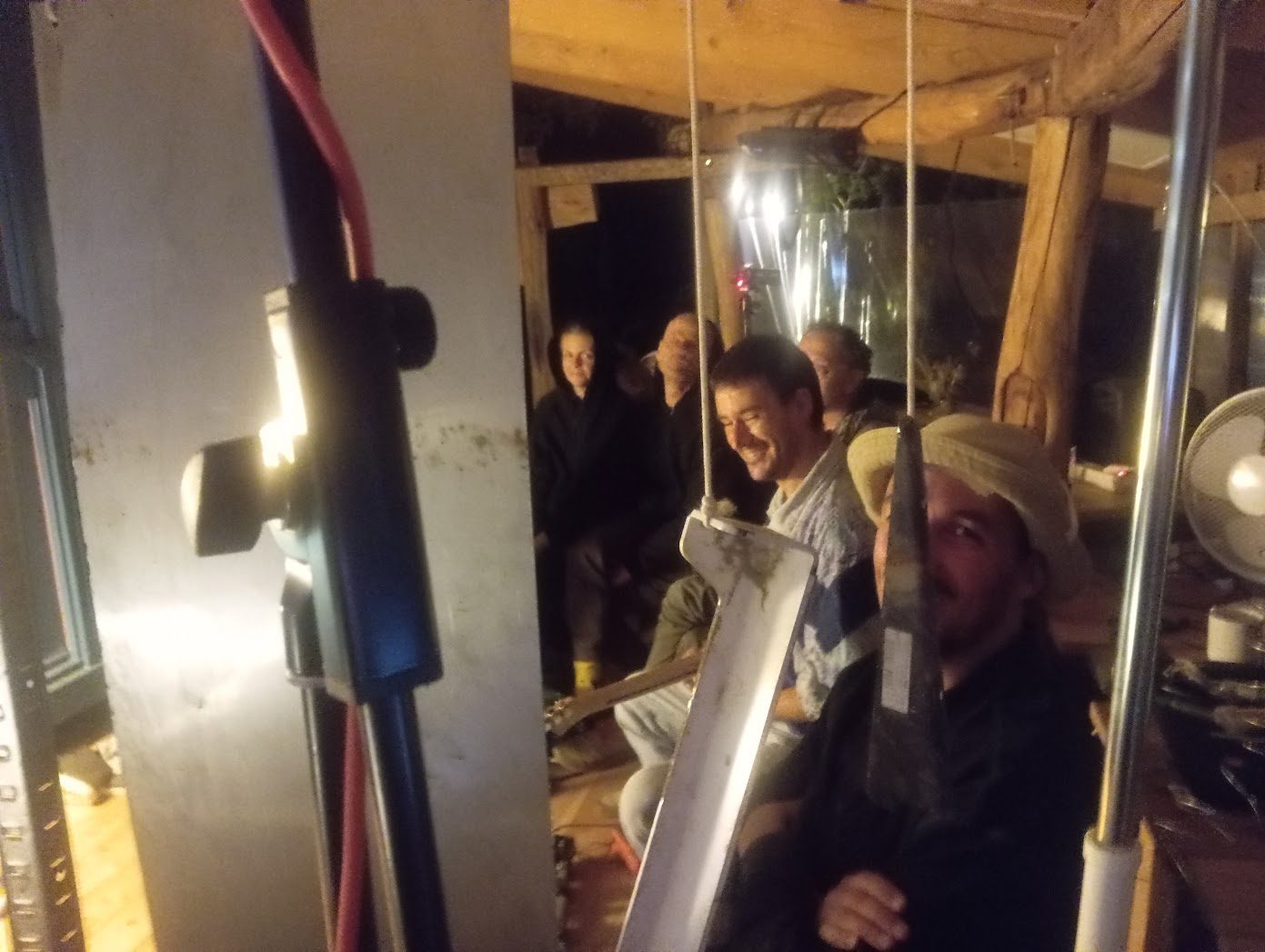
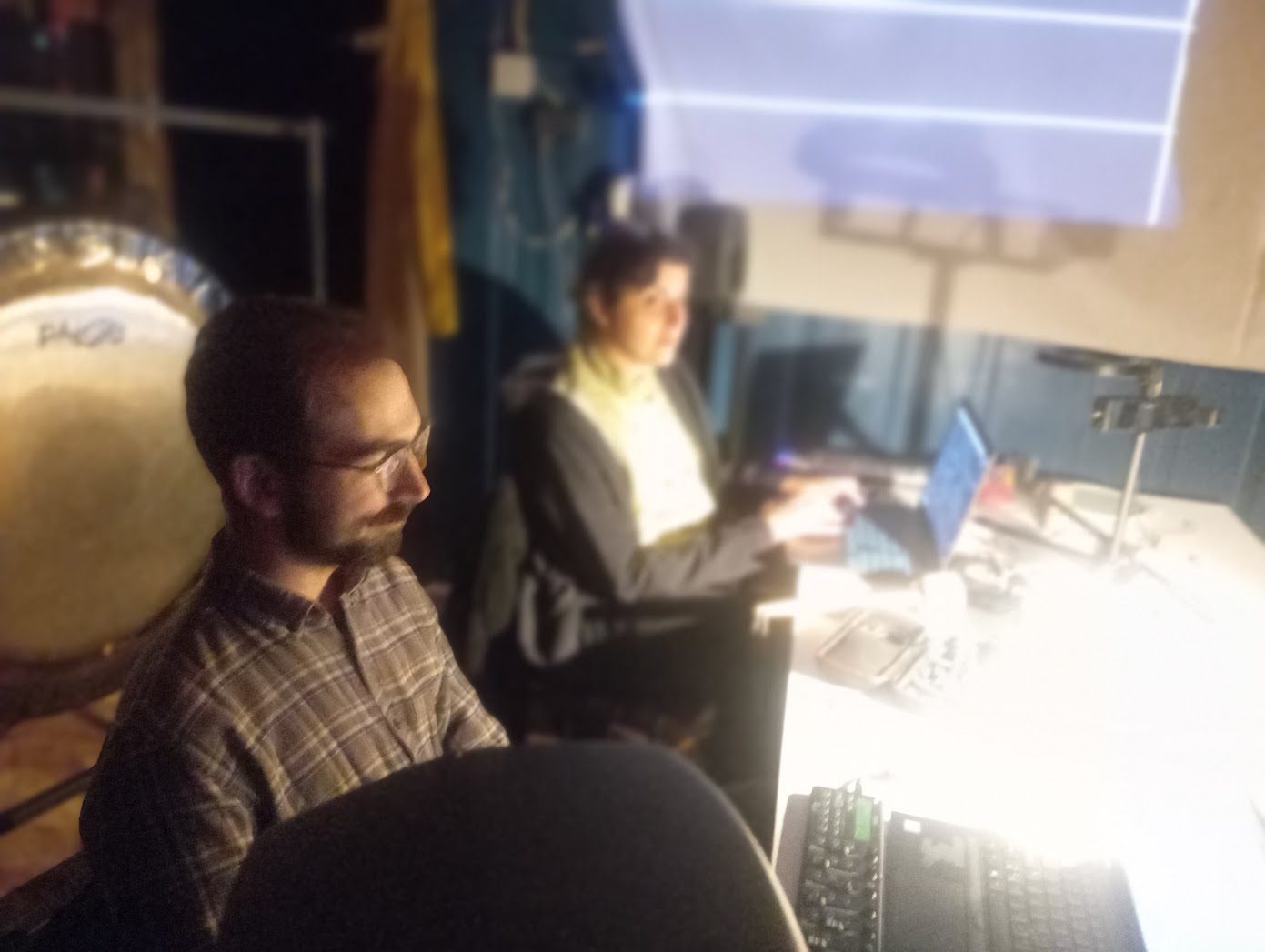
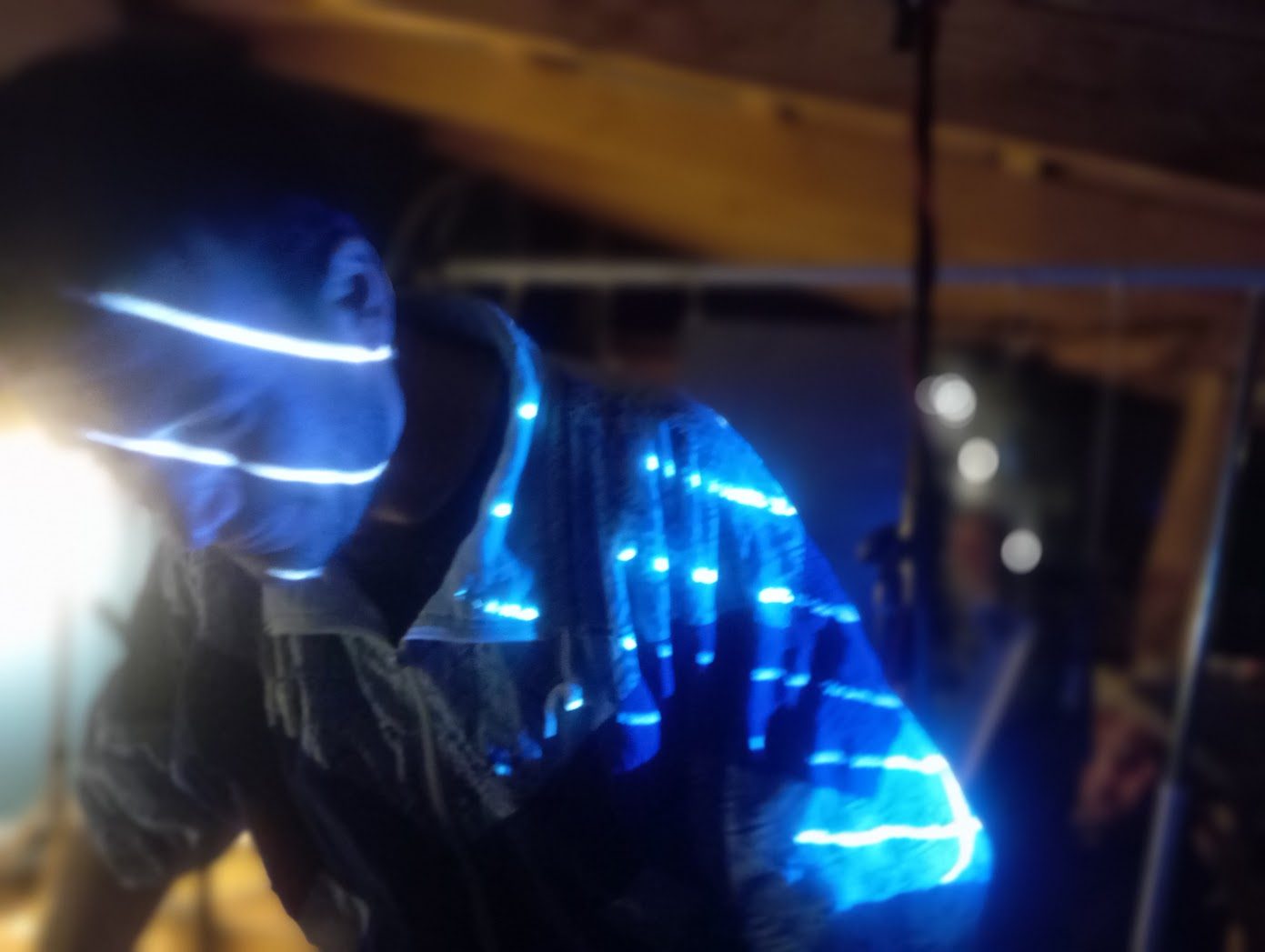
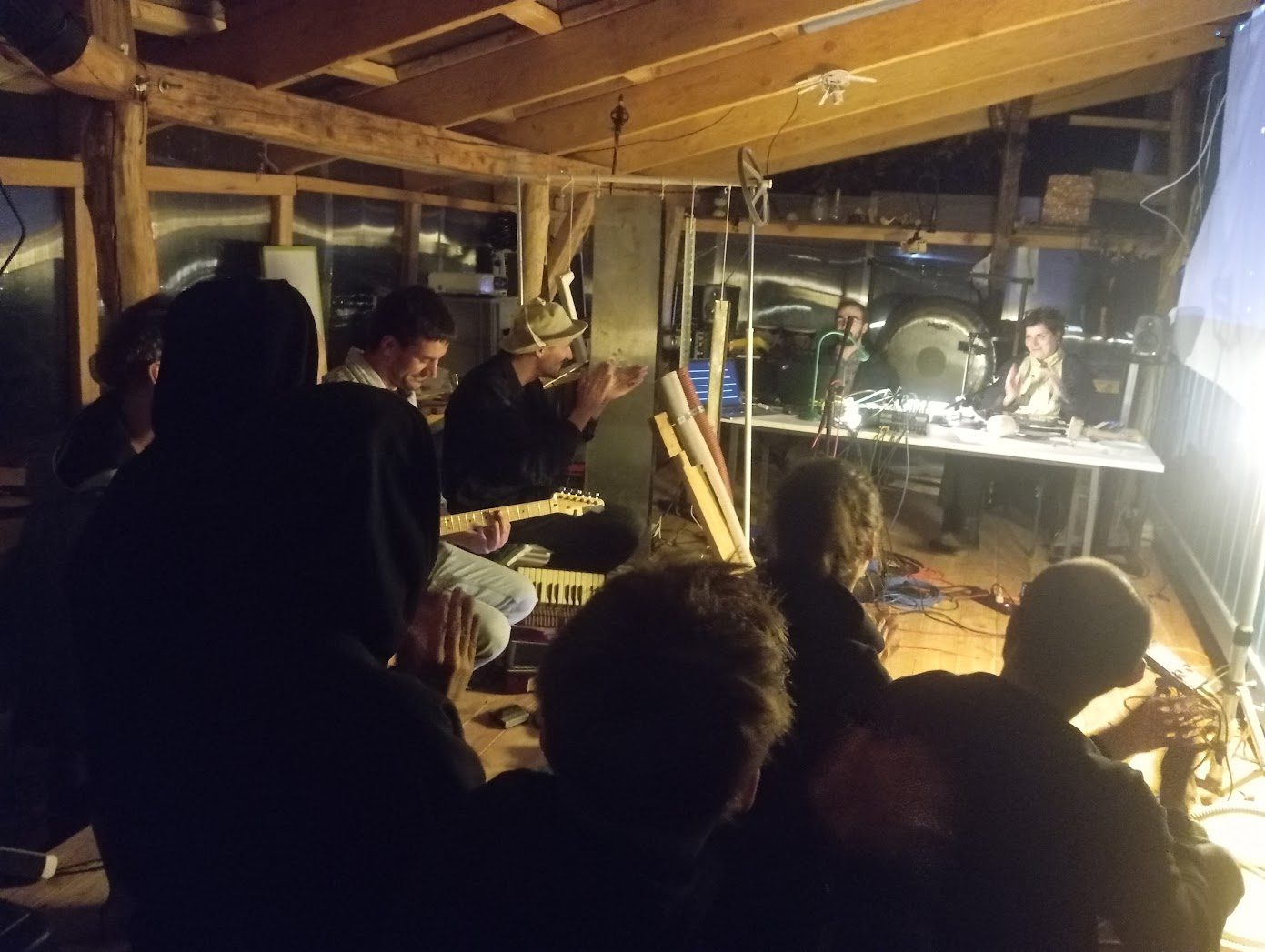
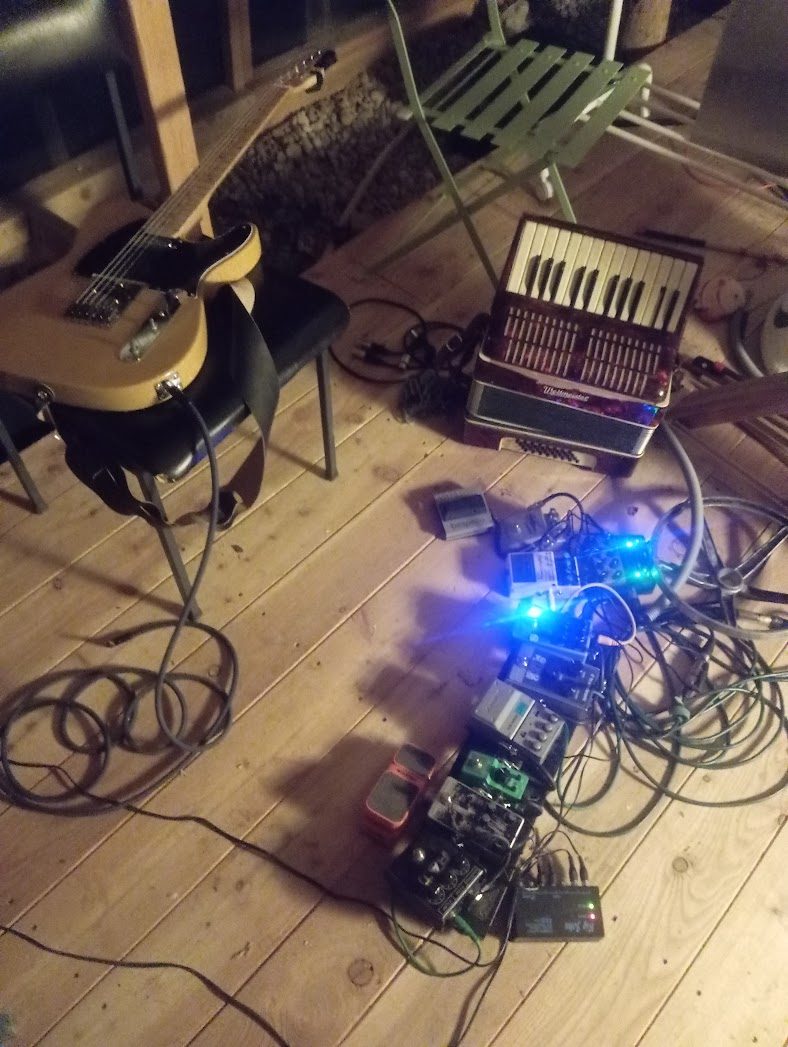
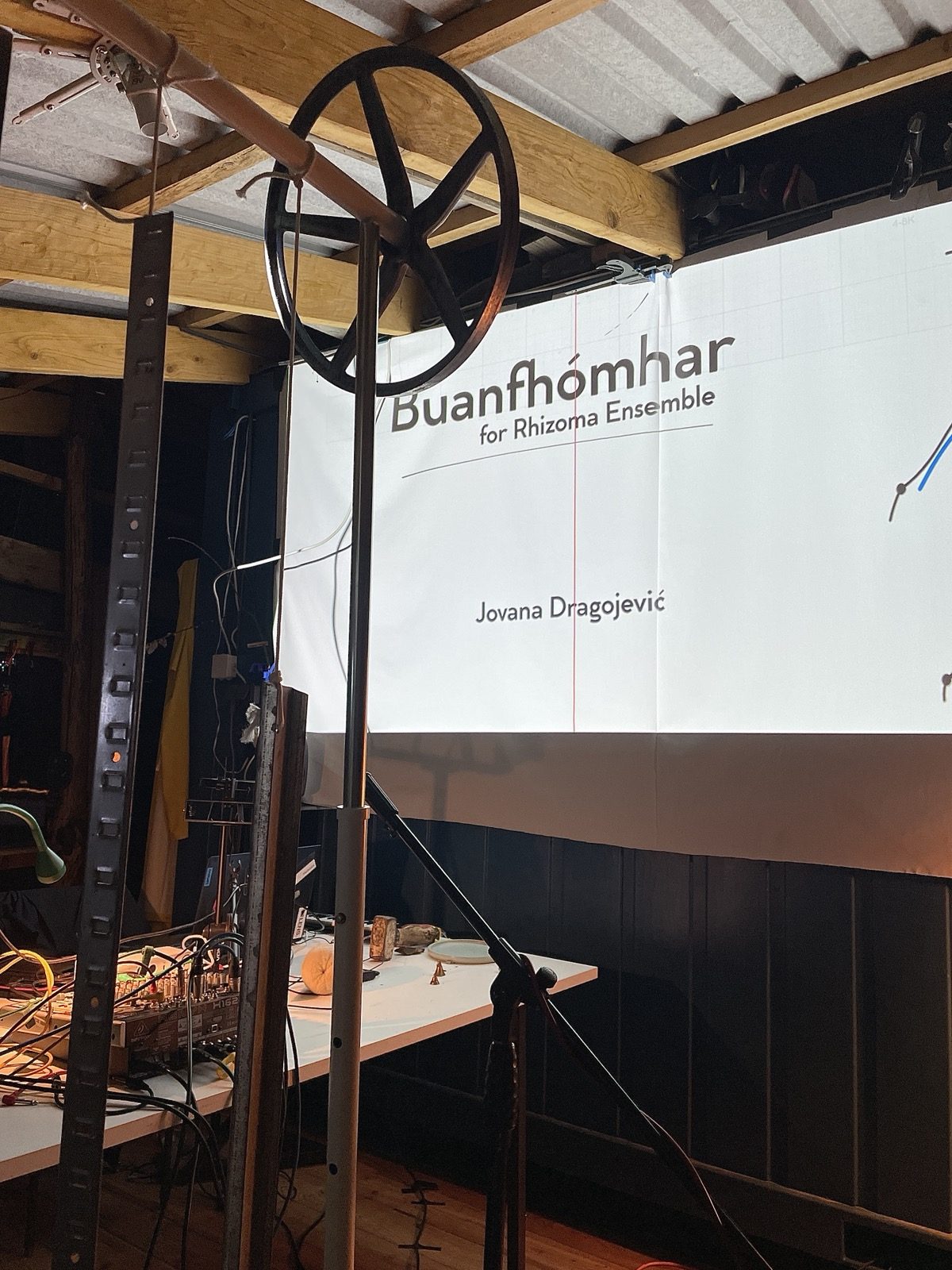
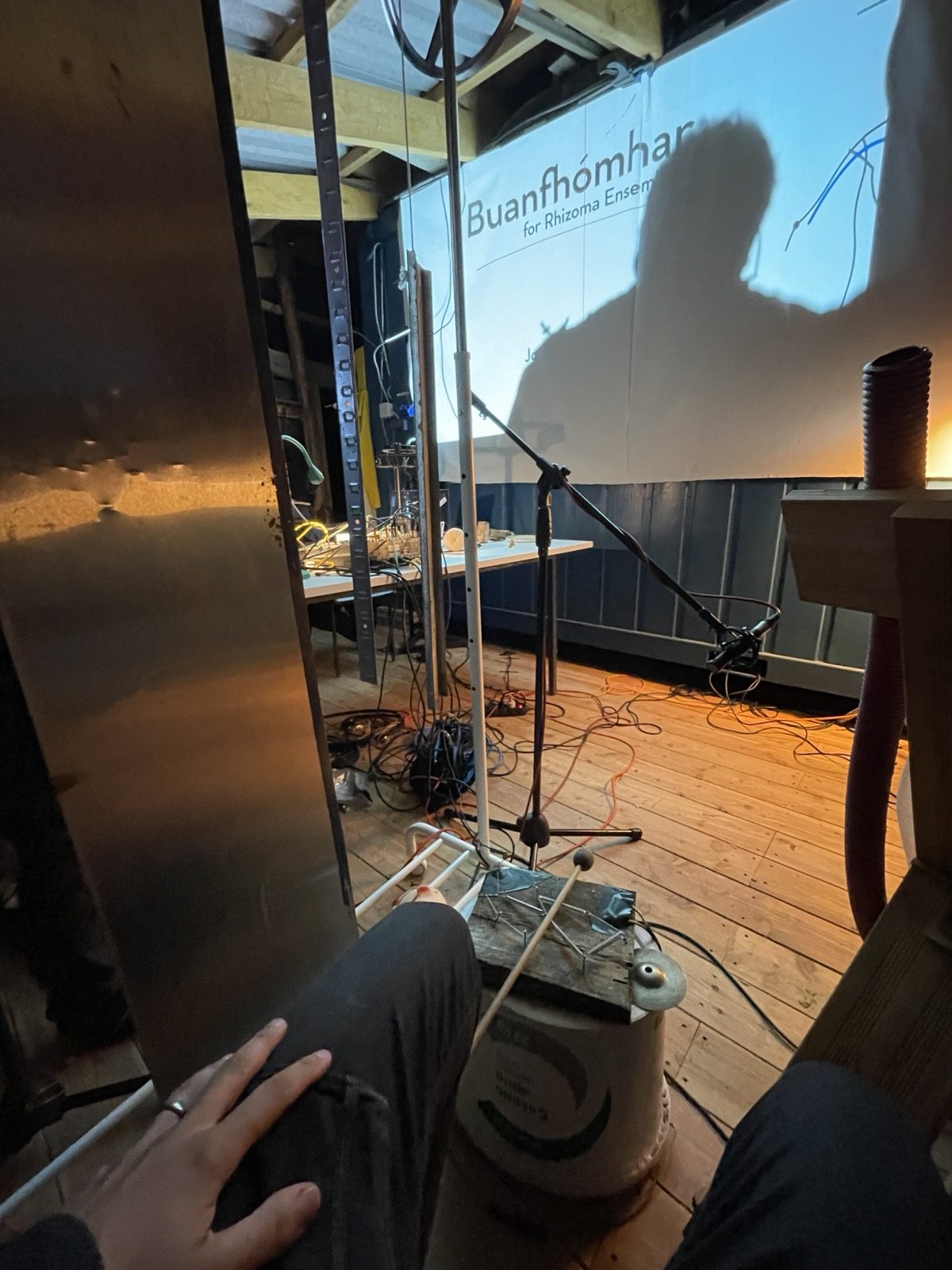
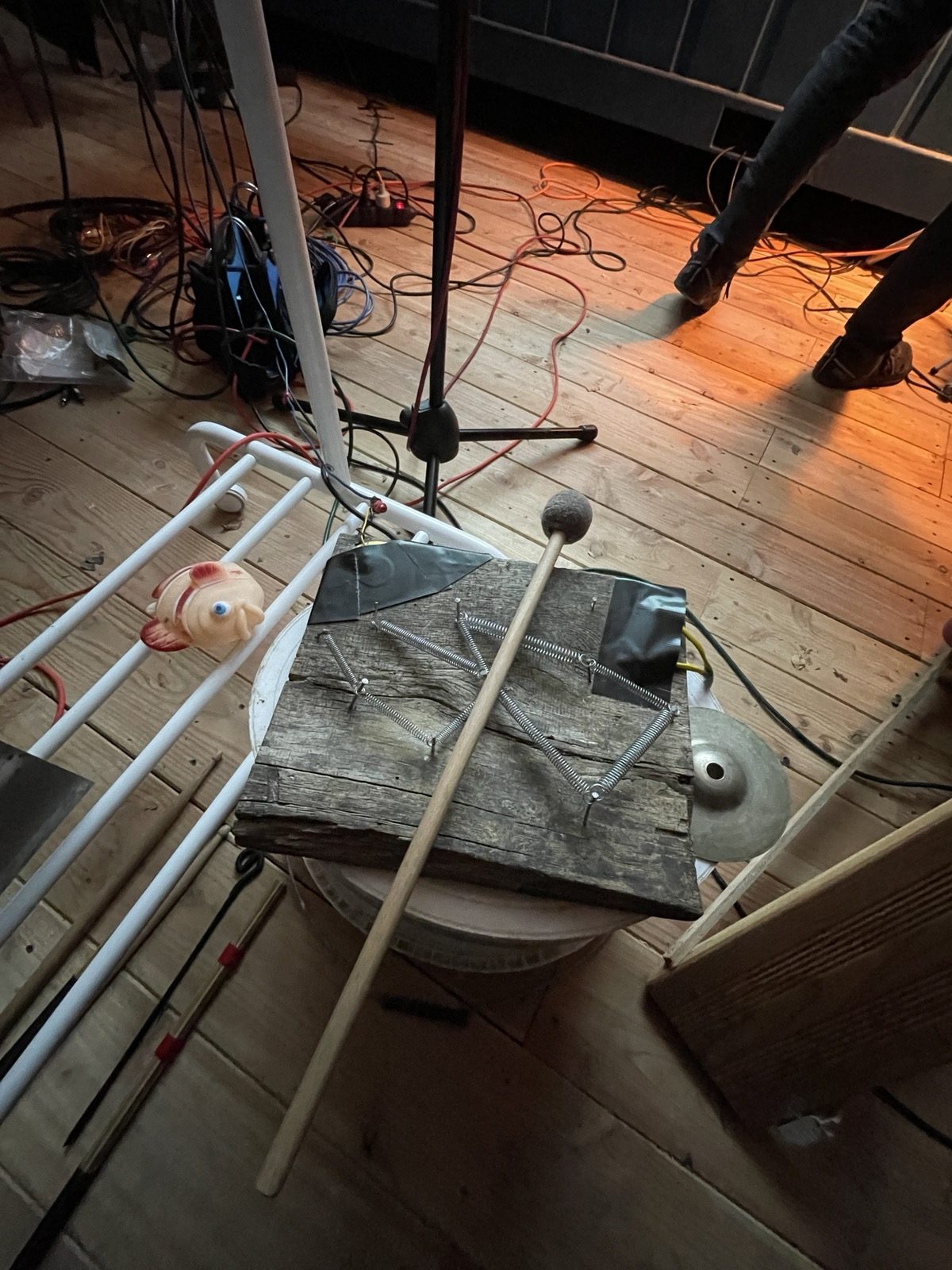
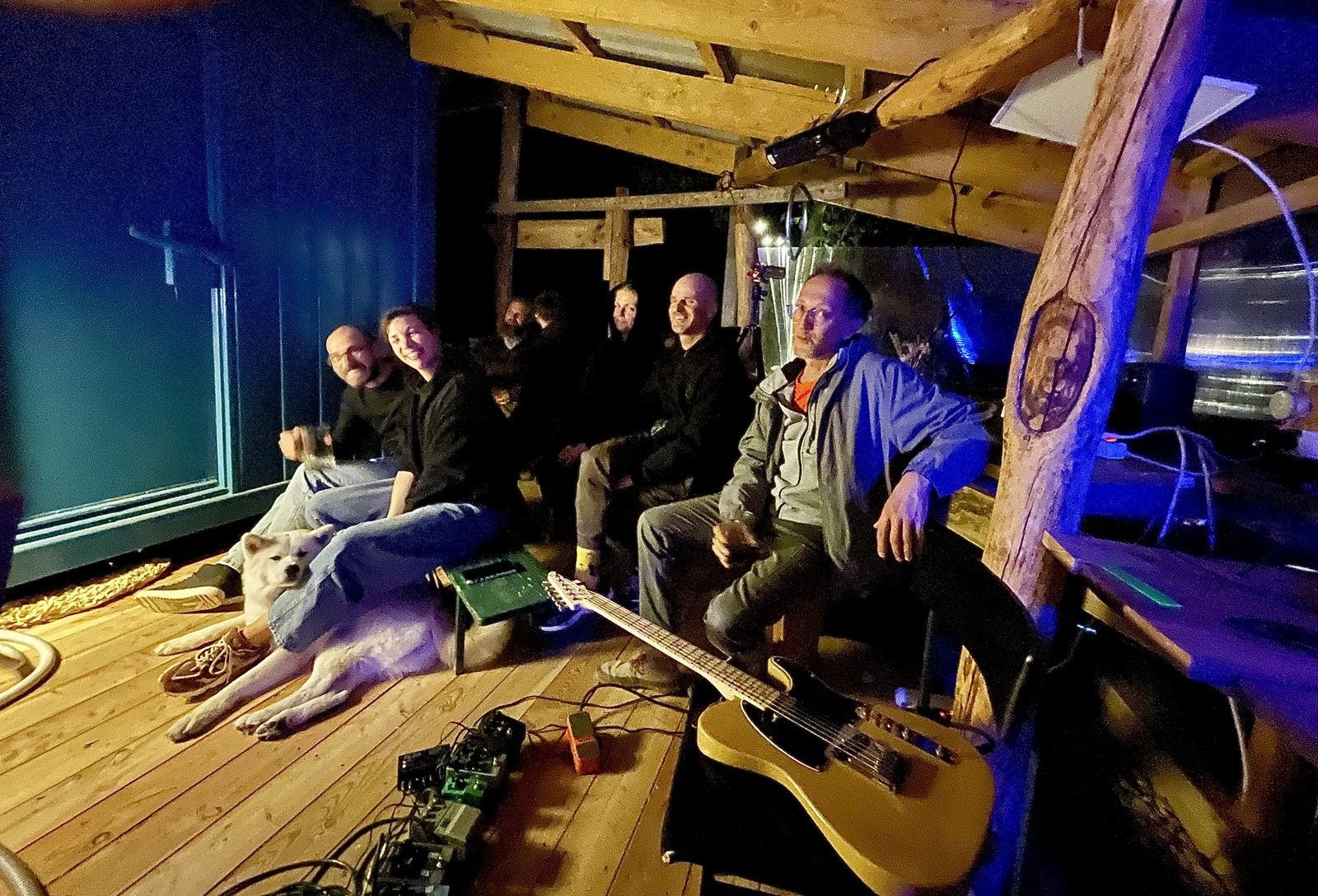
Photos: Rob Canning and Grgur Savić
Recordings: coming soon, along with recordings of each piece under Compositions and Scores.
Outcomes
- New compositions by the residents
- Graphic scores made during the month
- Public performances — the closing concert and an improvisation session with our neighbours
- Impromptu improvisation sessions throughout the residency
- A new comprovisation ensemble, Ensemble Rizom. A month of working together built strong bonds, and the group wants to keep playing together: they are looking for opportunities to bring the work to their home countries and applying to festivals as Ensemble Rizom, a new graphic score ensemble.
- Recordings of the compositions, field recordings, and solo and collective improvisations, now being mixed for an audio release in early 2027 on Rizoma's Bandcamp, also freely available through the Internet Archive (archive.org)
- A new version of Oscilla — the Rizodency build, developed together by the developer and the residents
Compositions and Scores
Each score is an Oscilla project you can download and open yourself. Recordings of each piece will follow with the audio release in early 2027.
The compositions, scores and recordings remain © their composers.
Points — Matteo Cenerini
What We All Are Is Just a Bunch of Points, in a Pointless World…
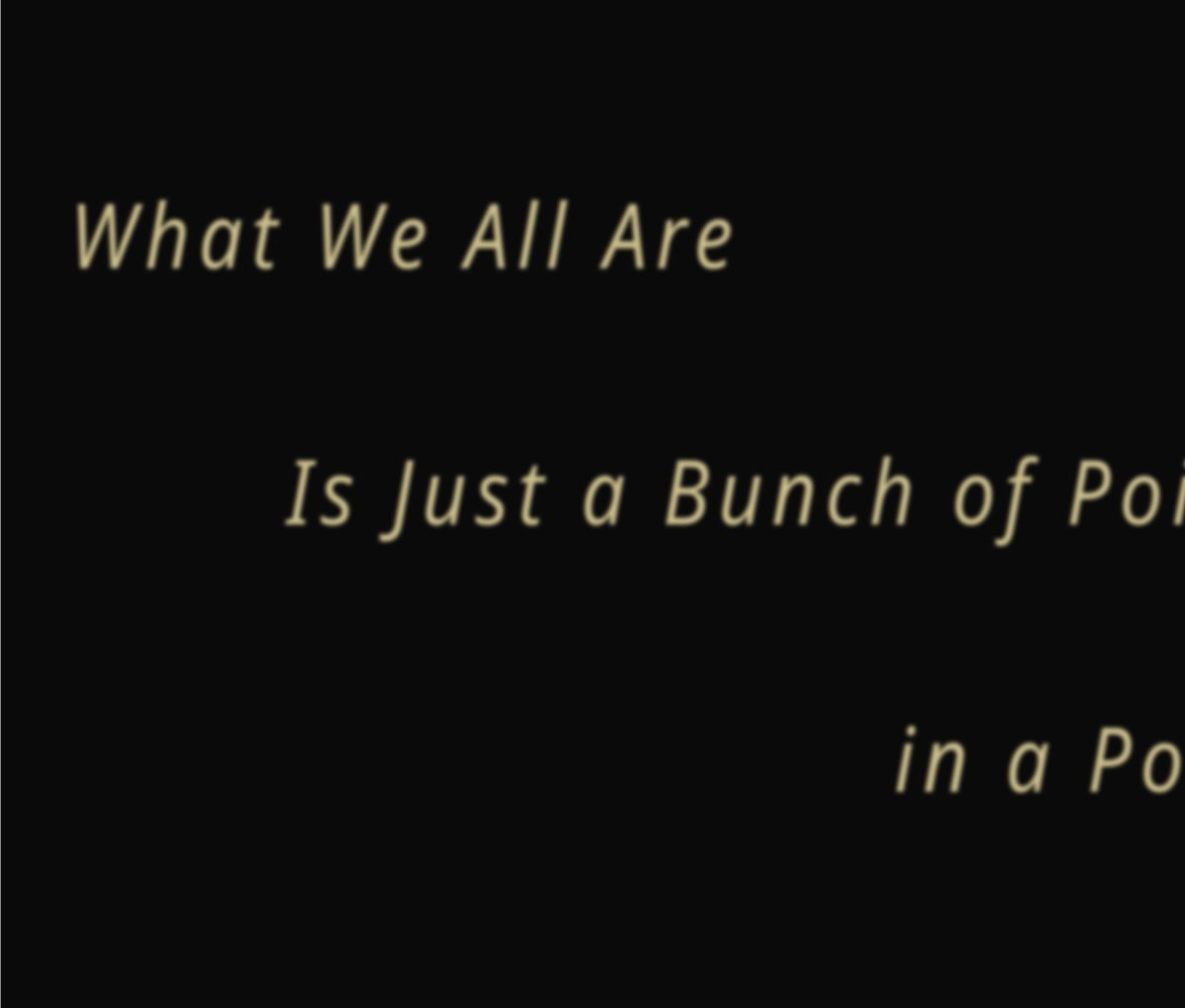
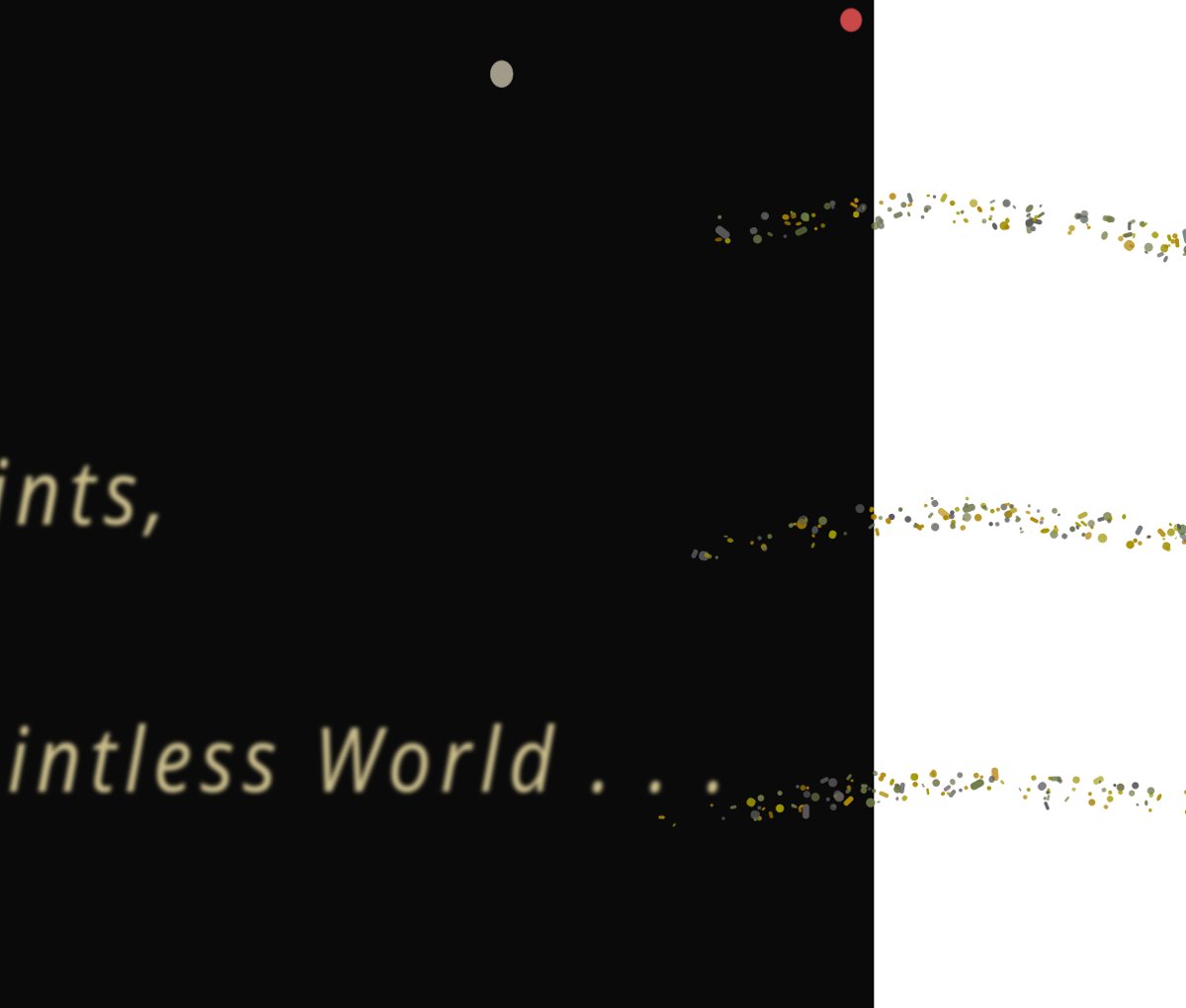
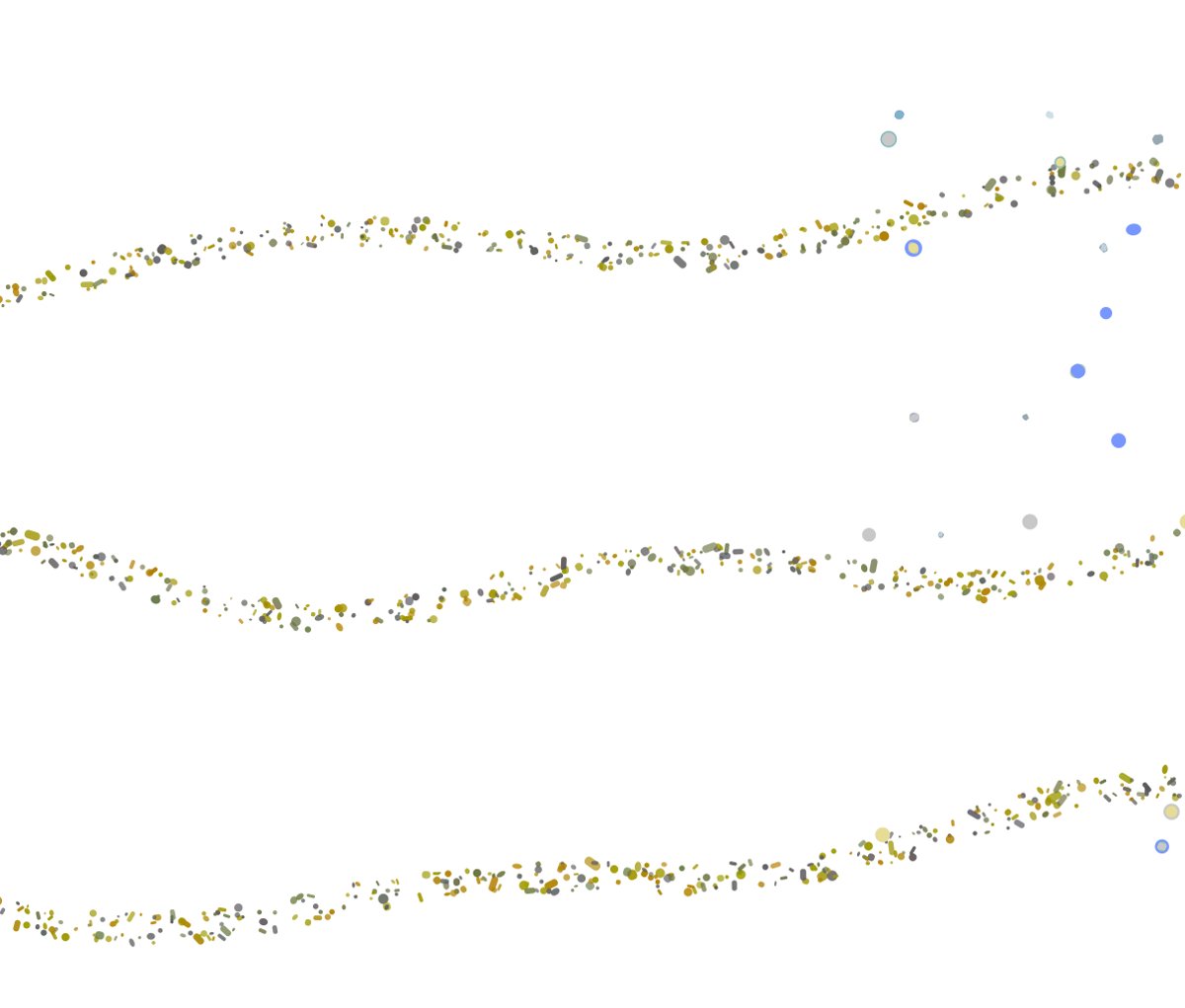
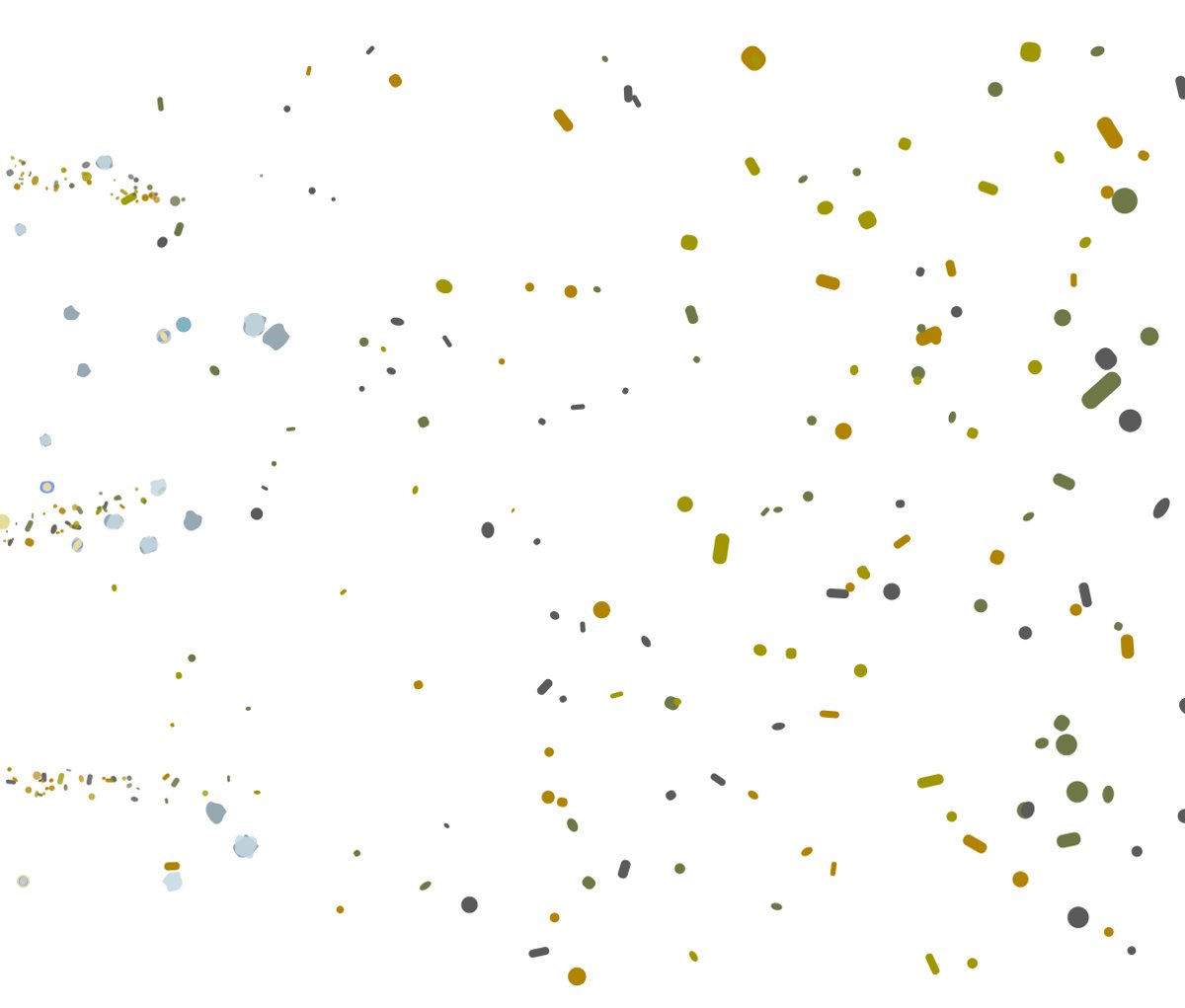
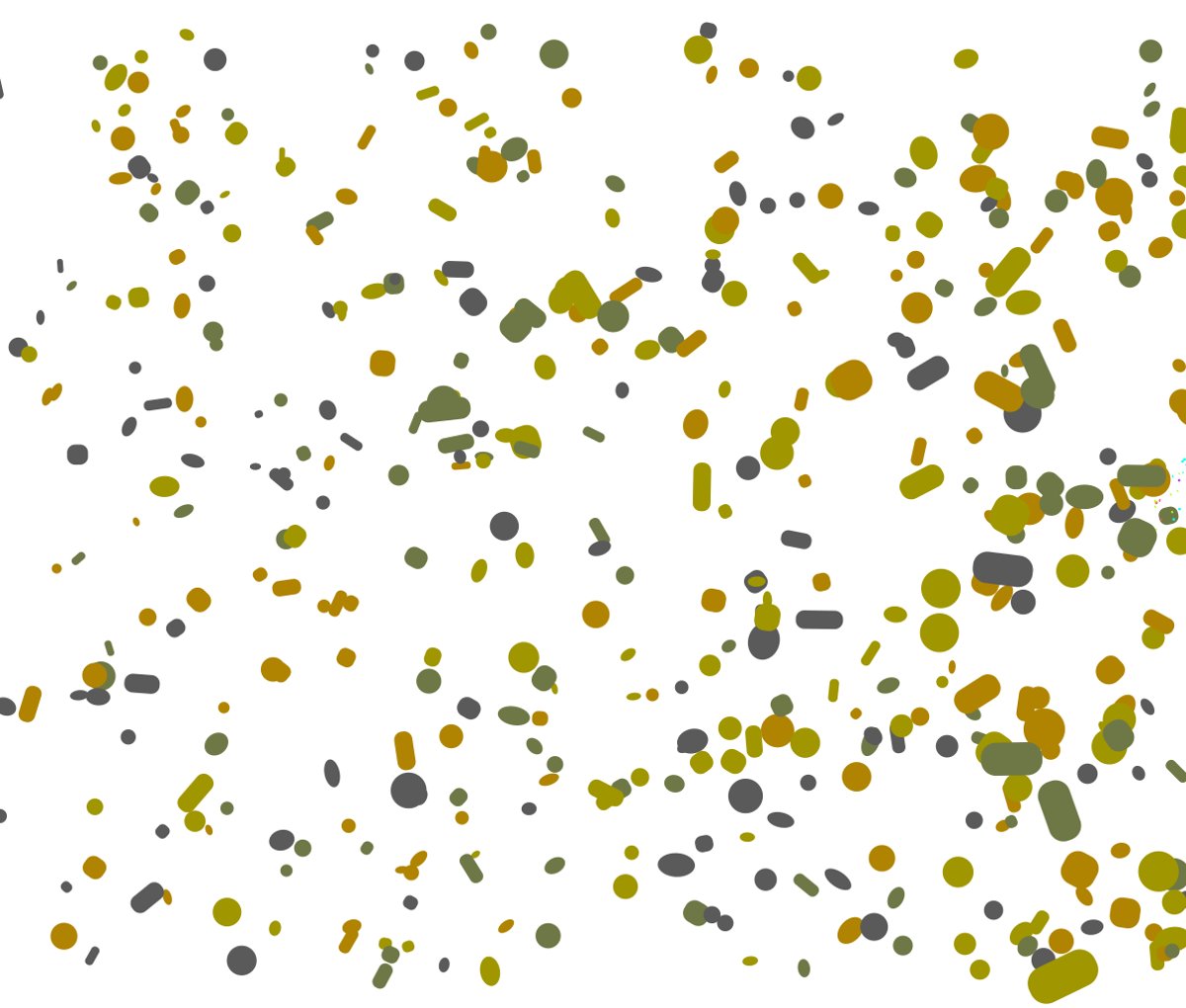
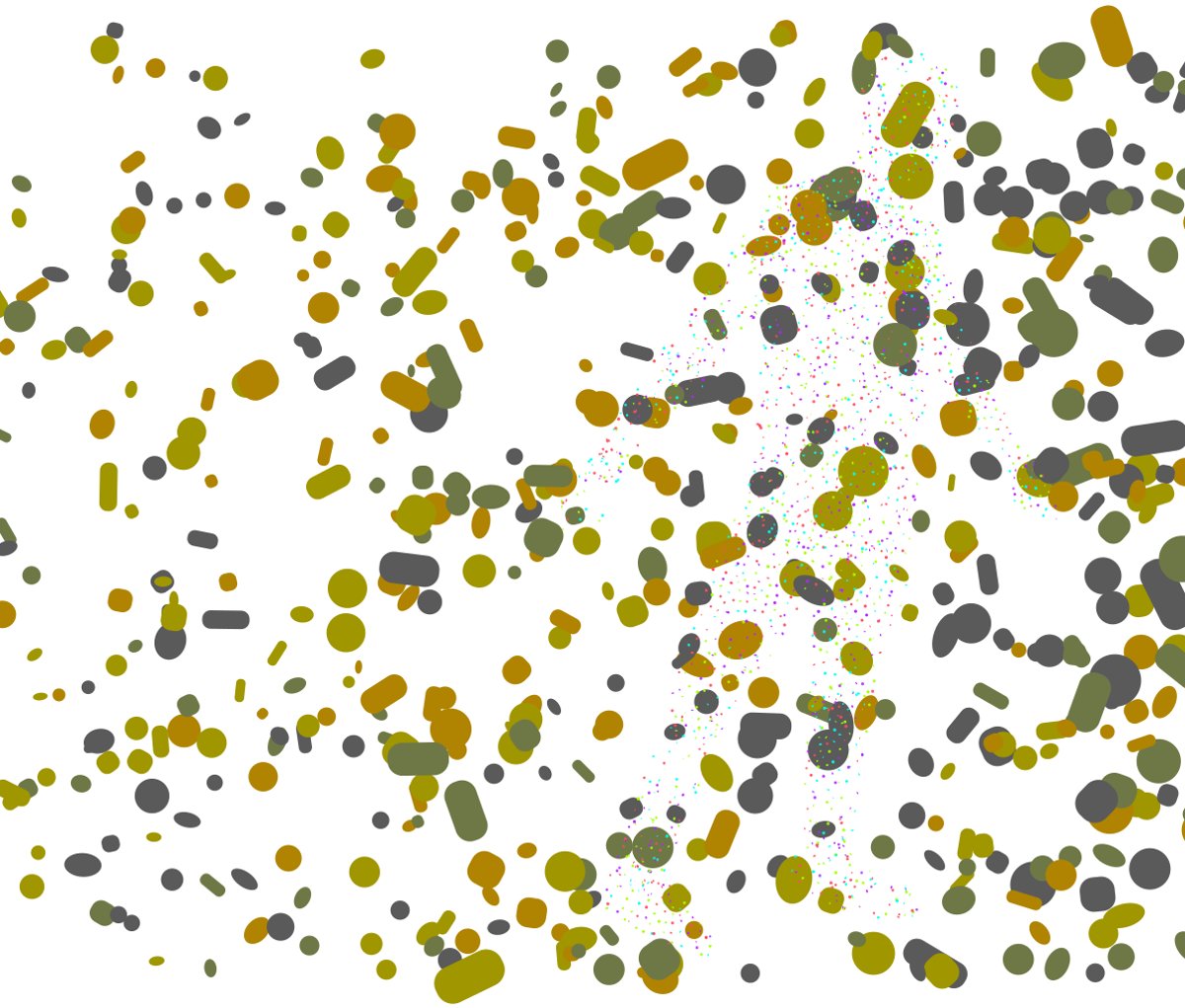

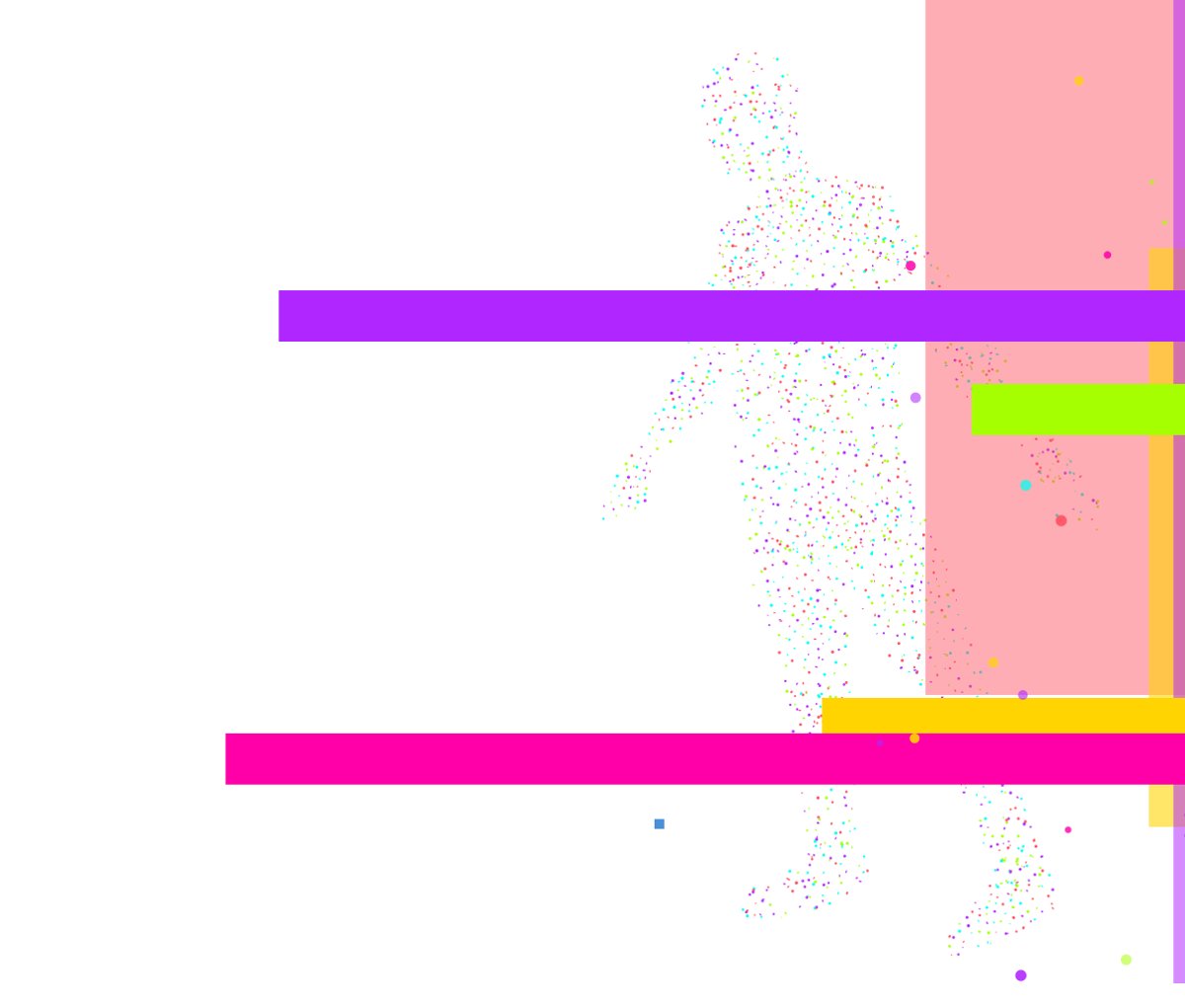
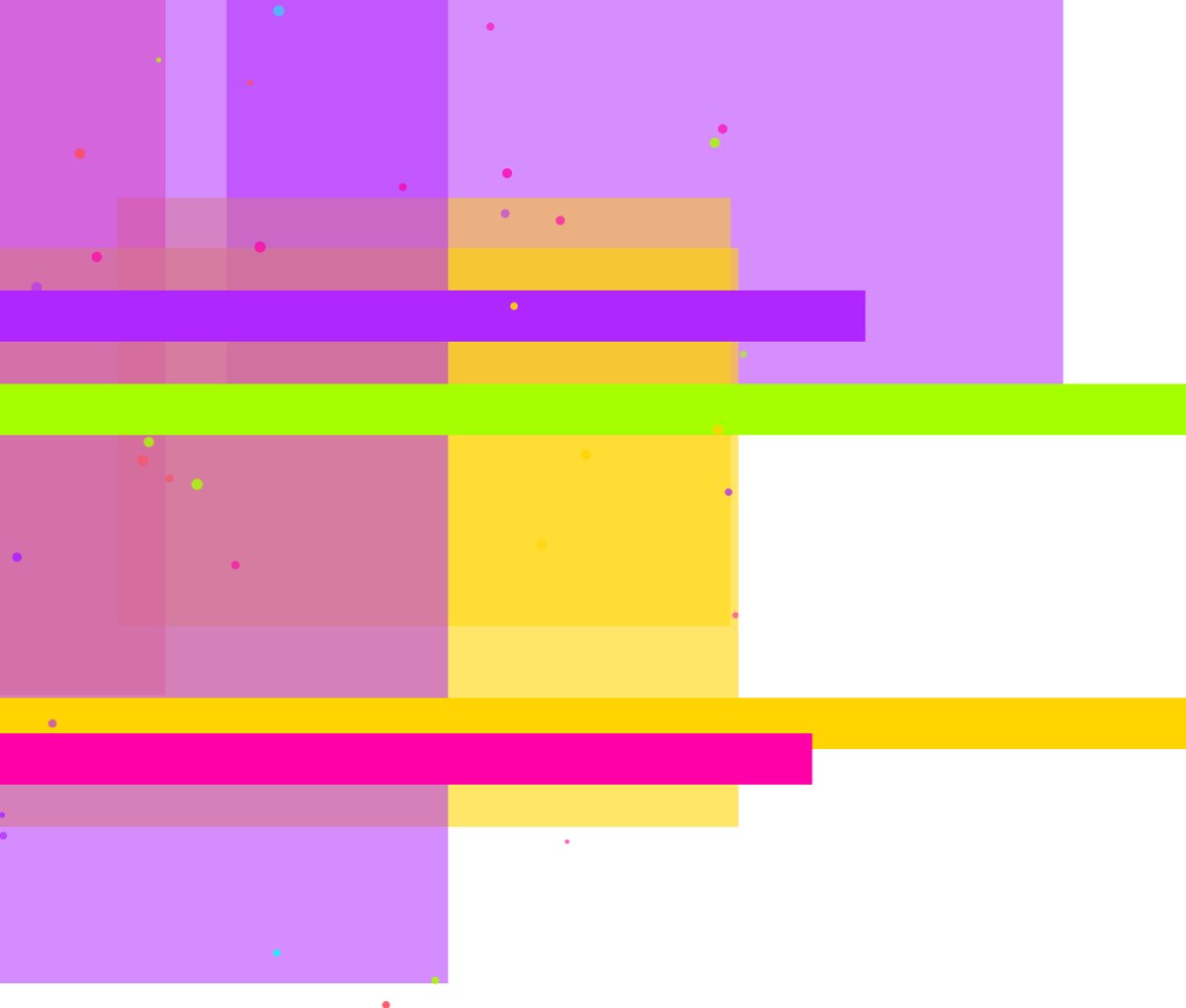
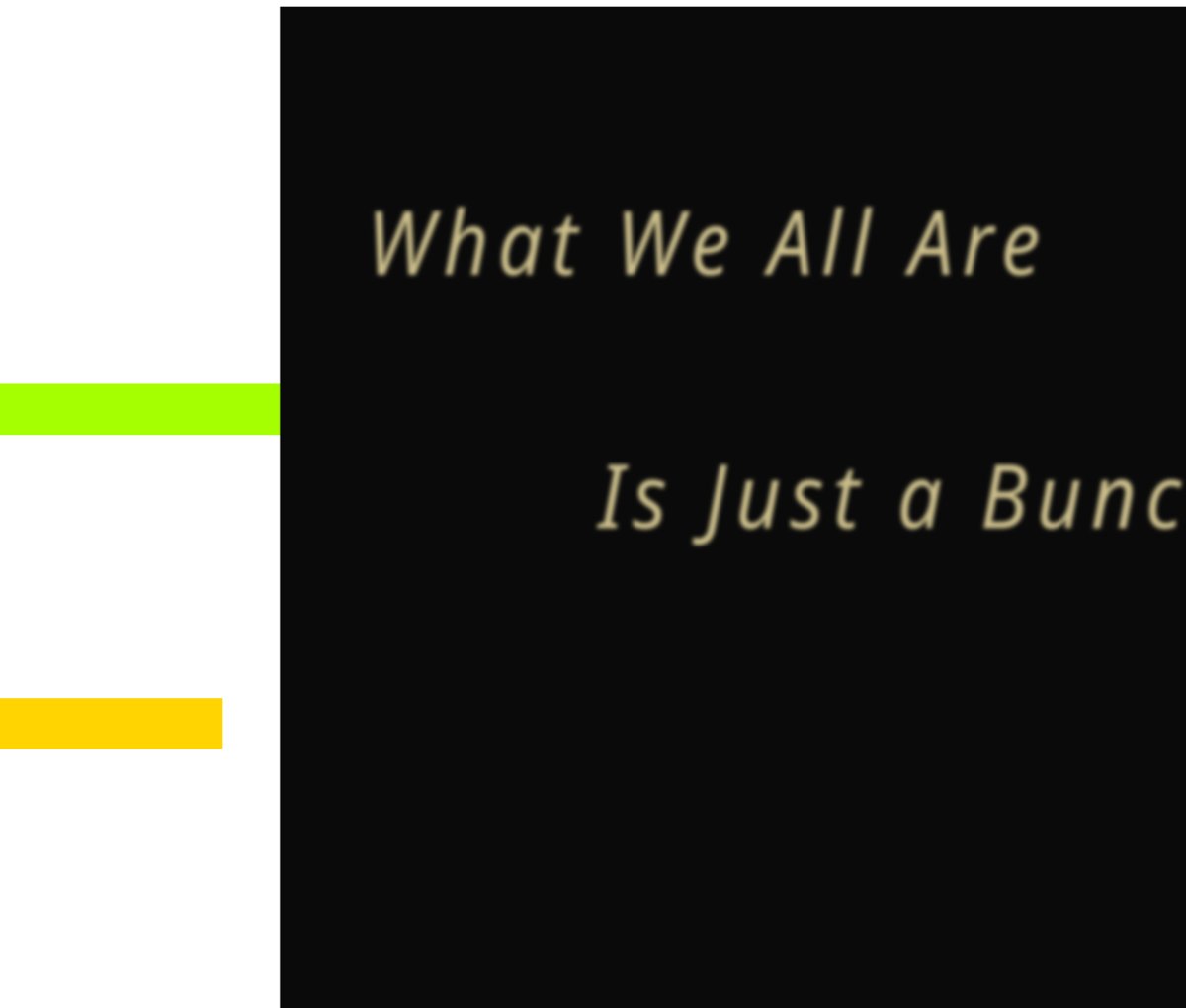
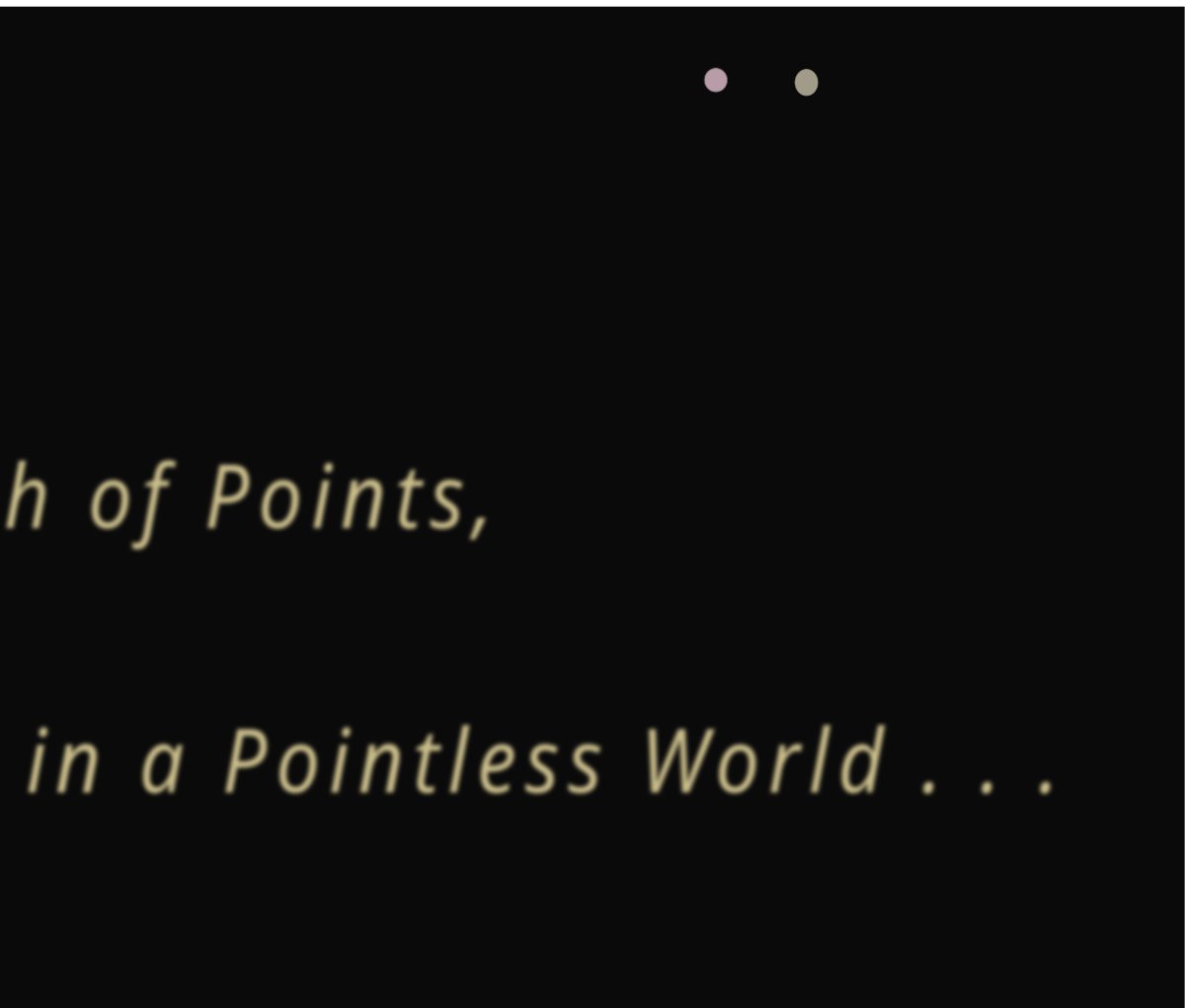
Download the score: points.oscilla — an Oscilla project. Open it in Oscilla with File → Import Project (.oscilla)…, or Import… on the start screen. Made with the Rizodency build (Oscilla 0.8.13); newer builds should also open it.
Cloud Study — Filip Dobrocký
For five improvisers and electronics
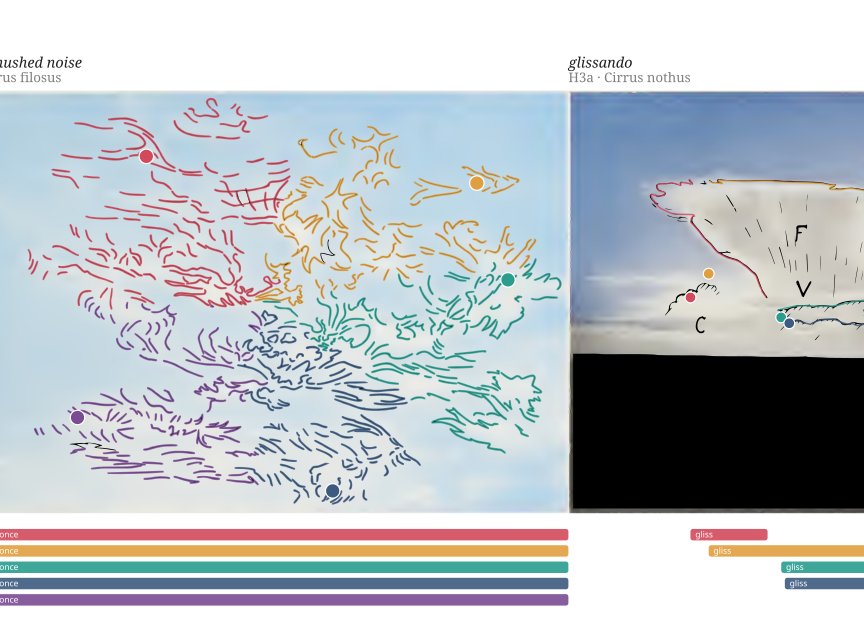
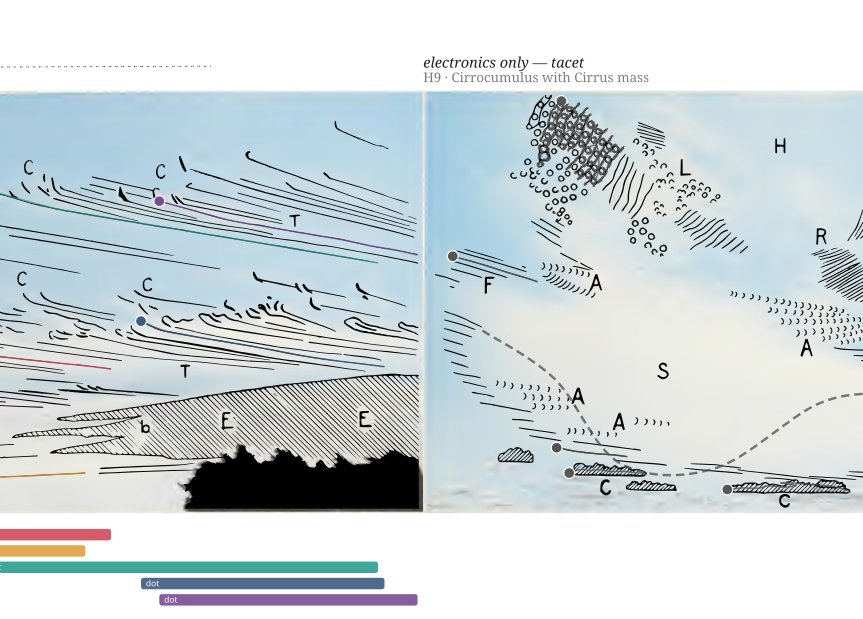
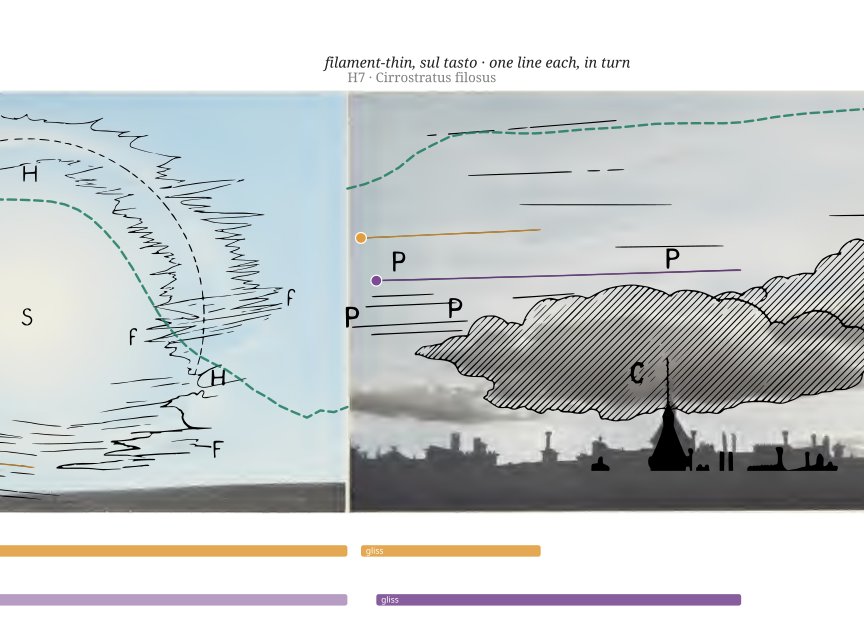
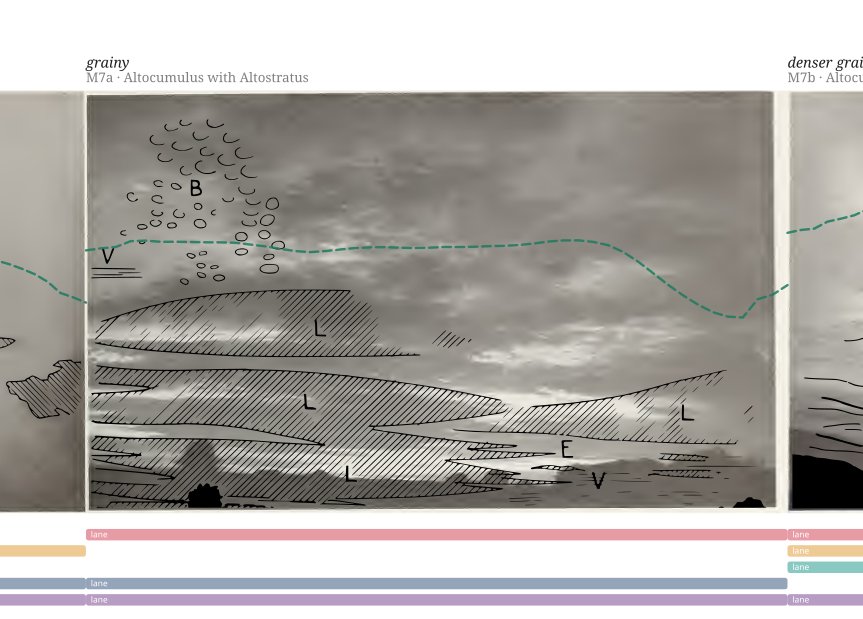
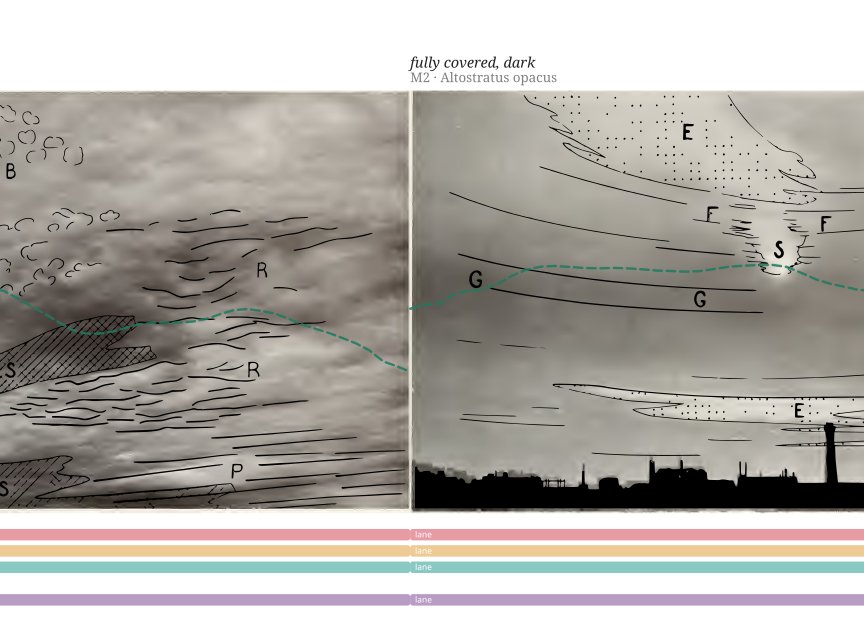
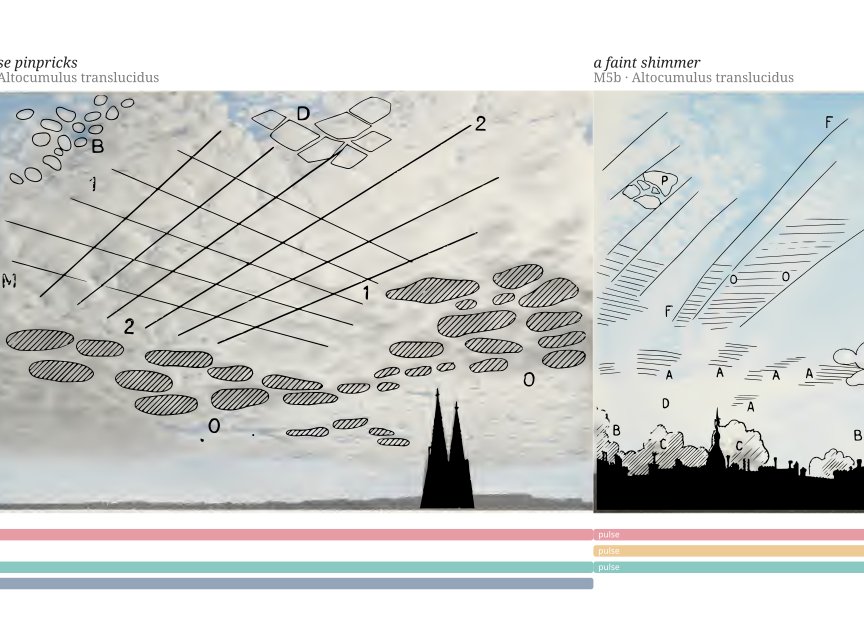
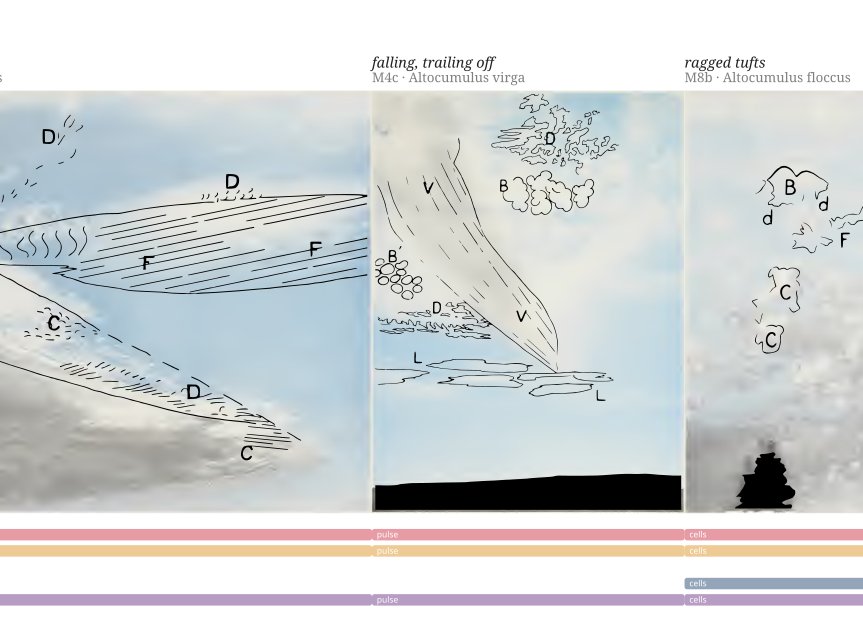
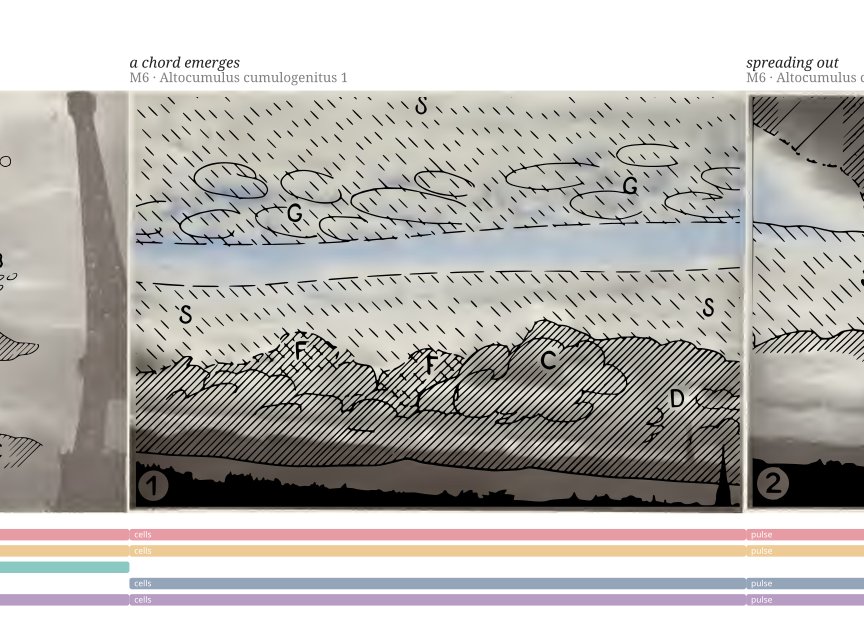
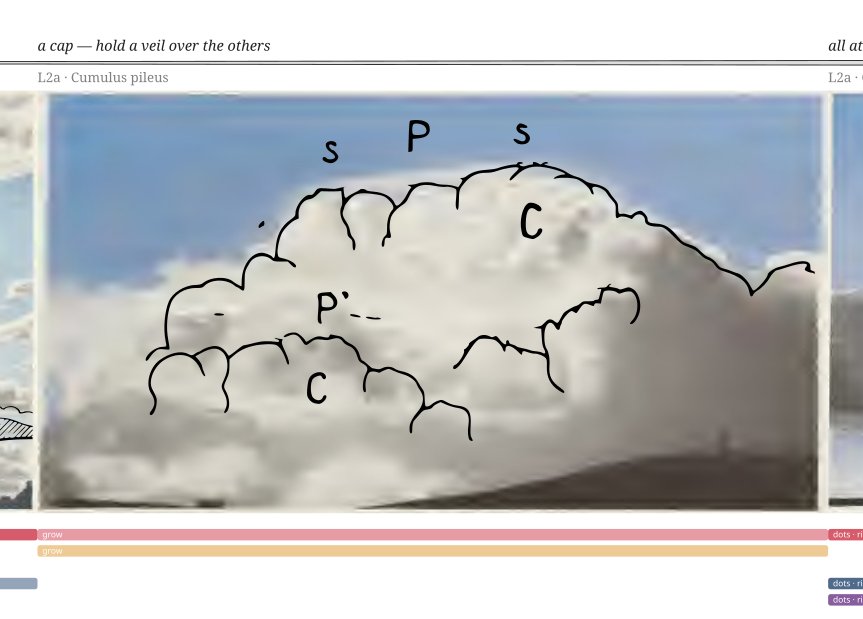
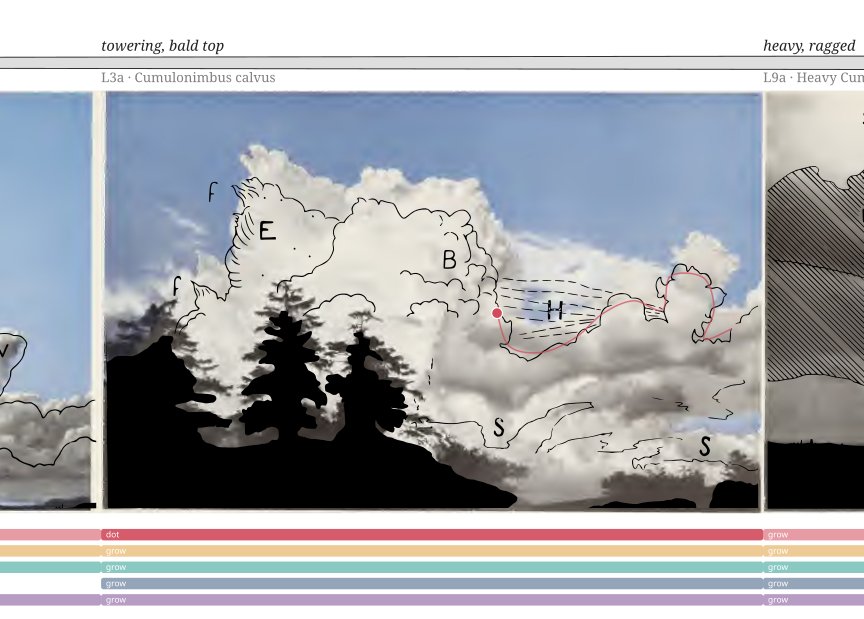
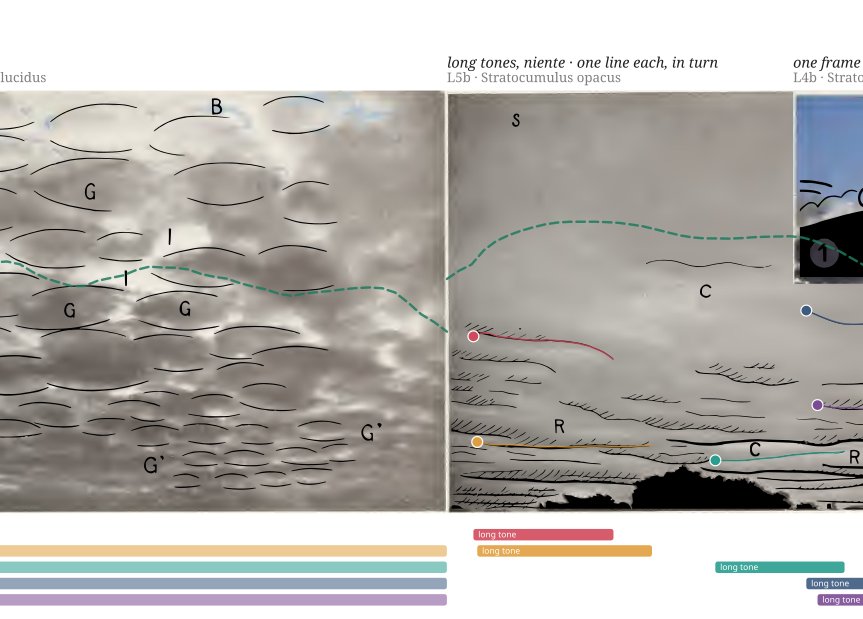
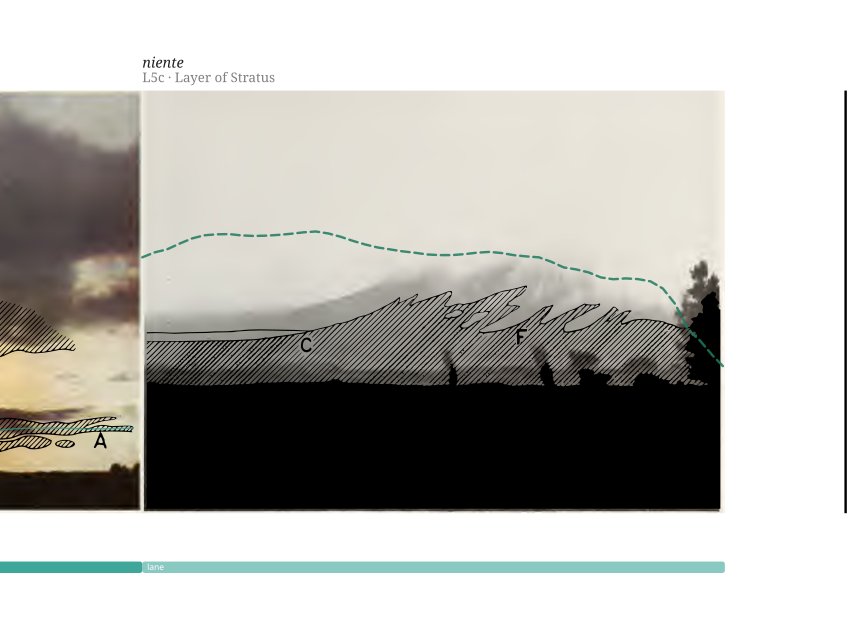
Filip's score for the closing concert. A scrolling score in six movements (Cirrus, Veil, Fields, Convection, Storm, Evening), drawn over plates traced from the International Atlas of Clouds and of States of the Sky (Paris, 1930). Each player picks their part and sees their own dots, lines and shapes in full, with the other four dimmed. As the playhead reaches them, the marks send OSC to a SuperCollider patch that turns cloud masses, cover and storms into the electronics part.
Download the score: cloud-study.oscilla — an Oscilla project, with the SuperCollider patch for the electronics (it needs the mi-UGens). Open it in Oscilla with File → Import Project (.oscilla)…, or Import… on the start screen. Made with the Rizodency build (Oscilla 0.8.13); newer builds should also open it.
Velodrome: Cycle I — Filip Dobrocký
Étude for one cyclist
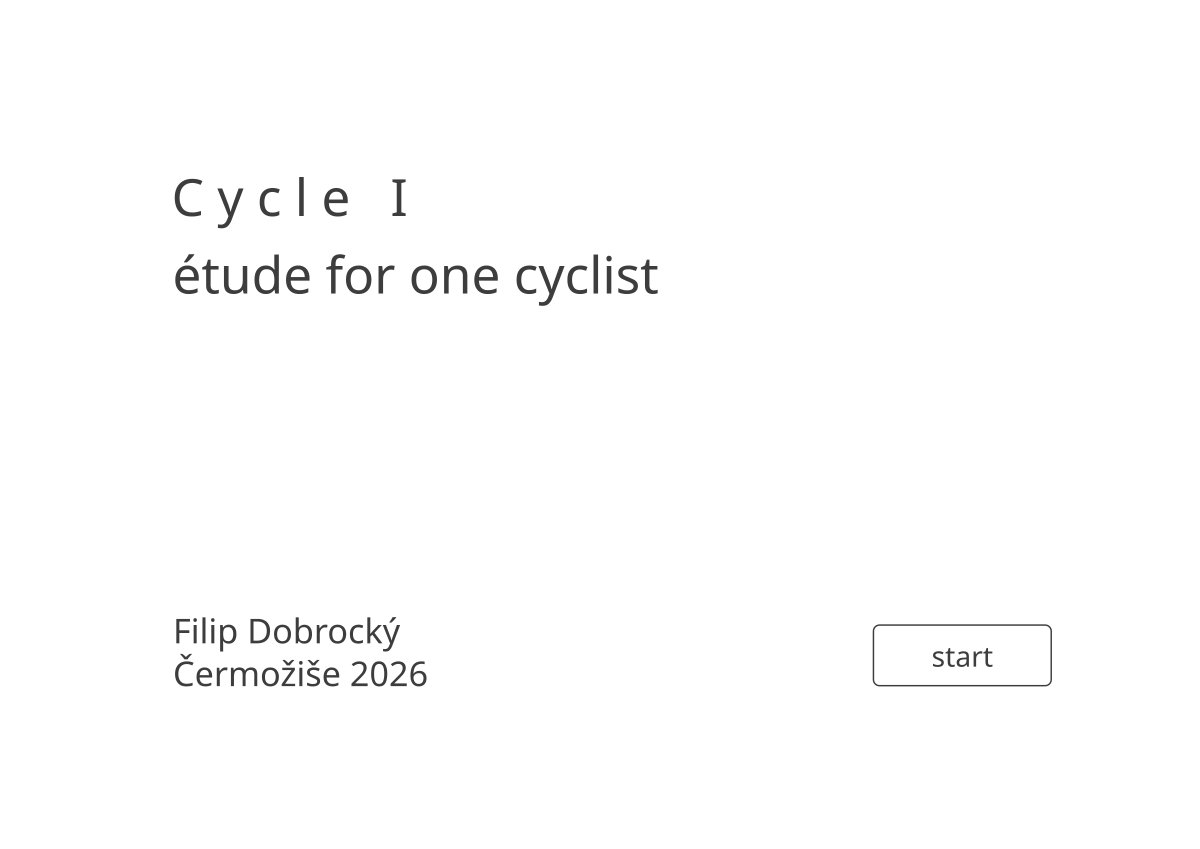
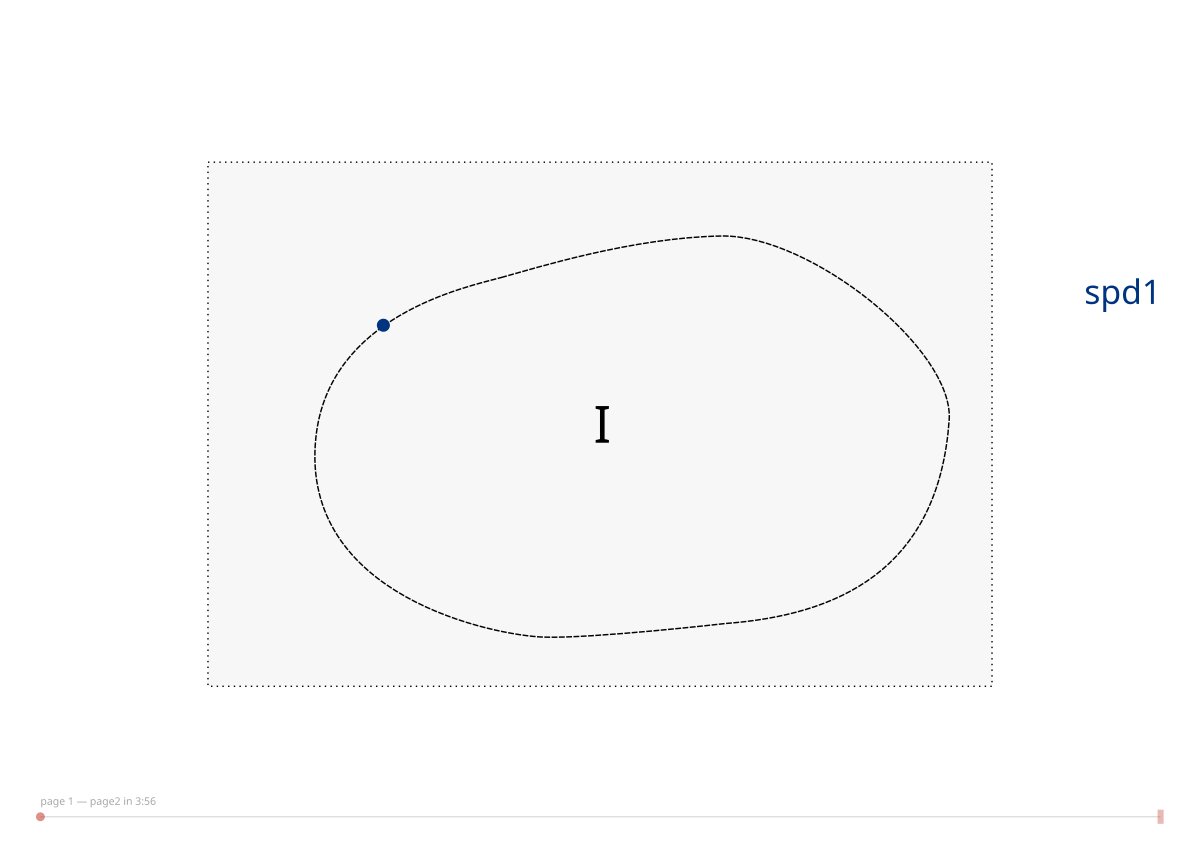
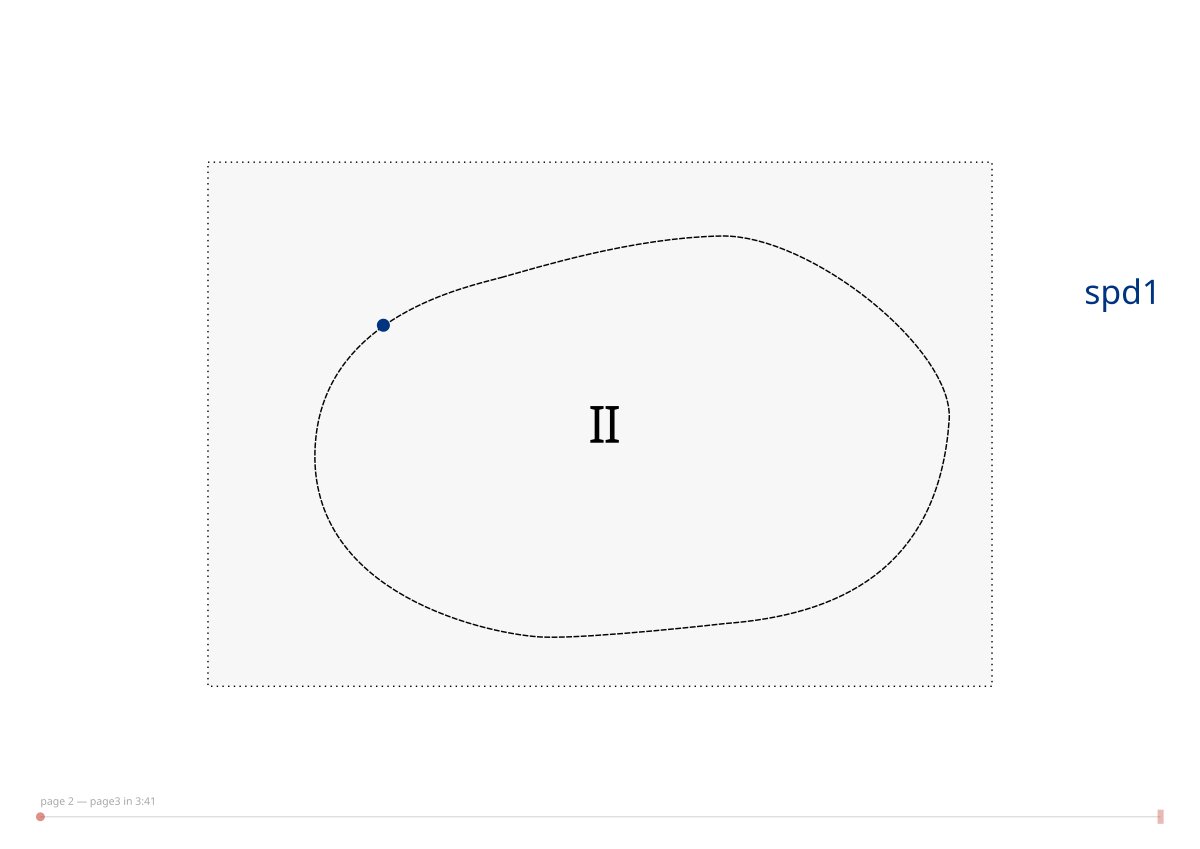
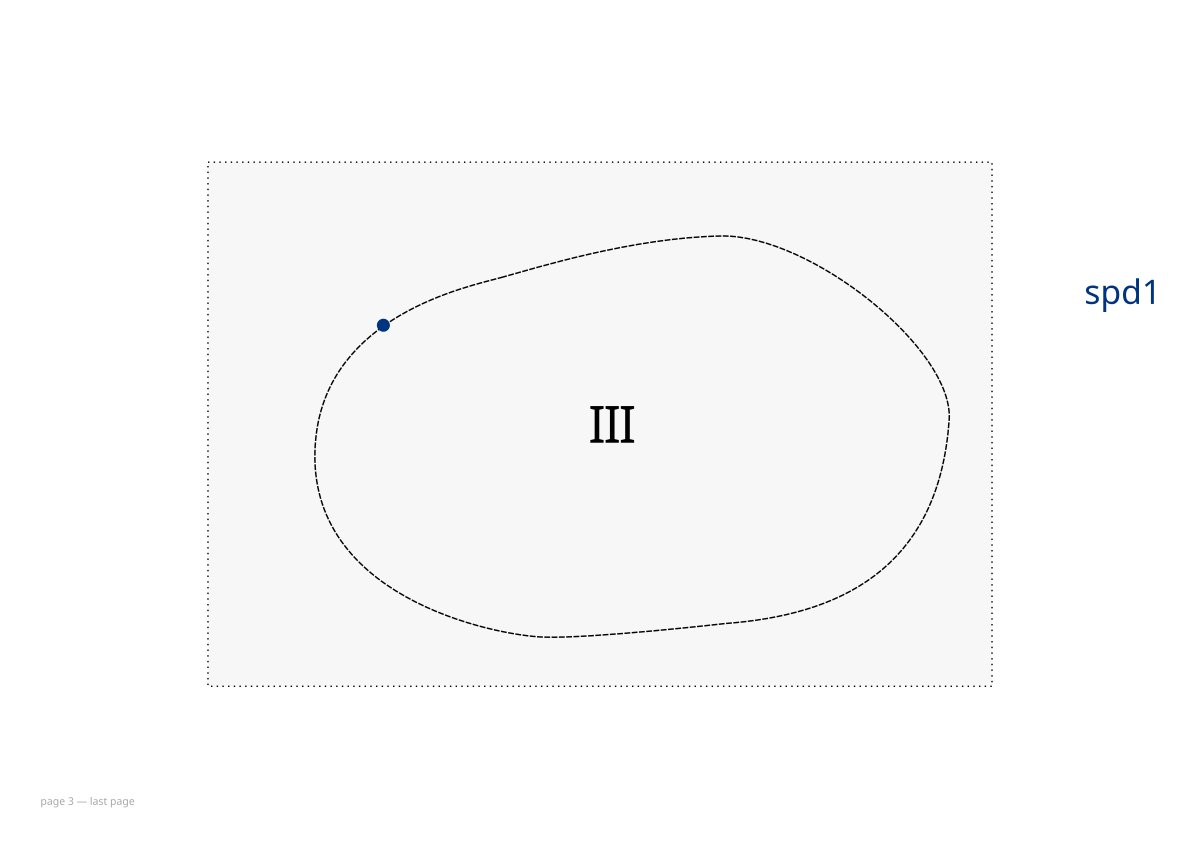
A score developed during the residency for a later performance in Brno, and the start of the project Filip came with: live scores for an ensemble of cyclists. The rider follows a pacing dot around a lap, with its target speed shown in km/h, over three sections. The first speeds up and slows down over 10 laps, the second builds to a steady fast pace over 17 laps, and the third winds down over 17 laps with a new chord each lap. A companion app on the cyclist's phone sends back their GPS position, drawn on the score as a trail, and plays the sound for each section. A small extension in the project handles that link.
Download the score: velodrome.oscilla — an Oscilla project in page mode; the companion app is not included. Open it in Oscilla with File → Import Project (.oscilla)…, or Import… on the start screen. Made with the Rizodency build (Oscilla 0.8.13); newer builds should also open it.
Buanfhómhar — Jovana Dragojević
For Rizoma Ensemble
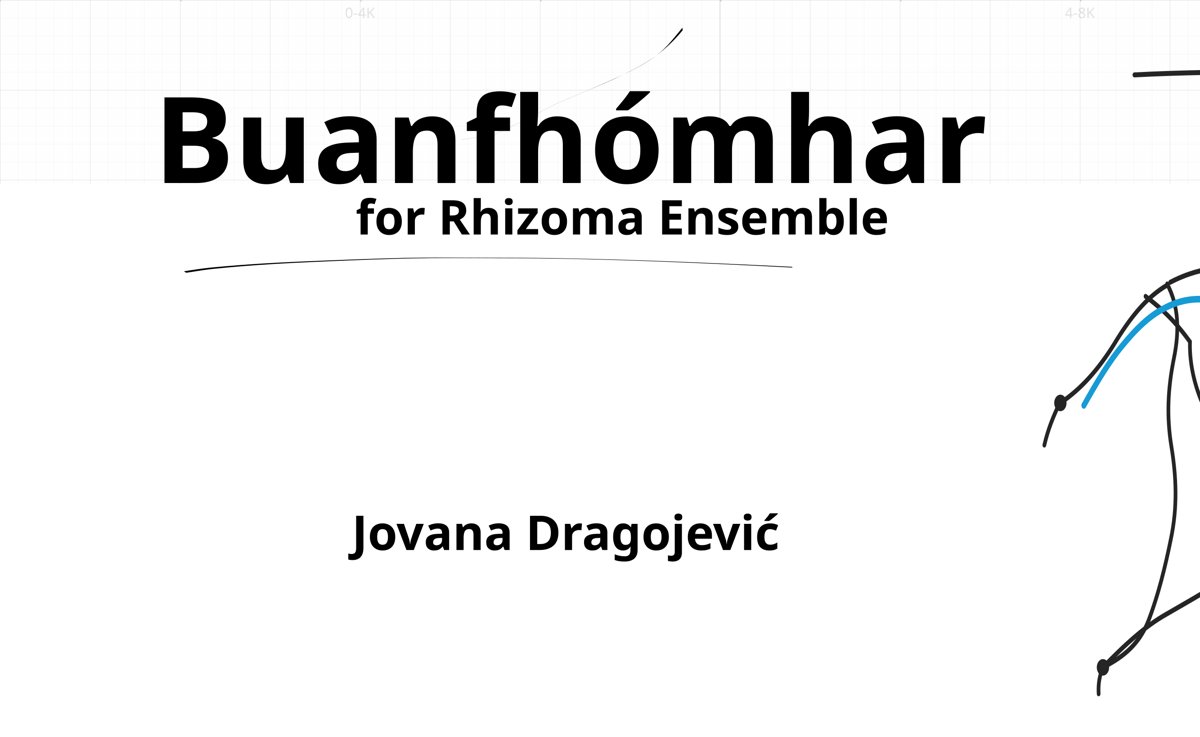
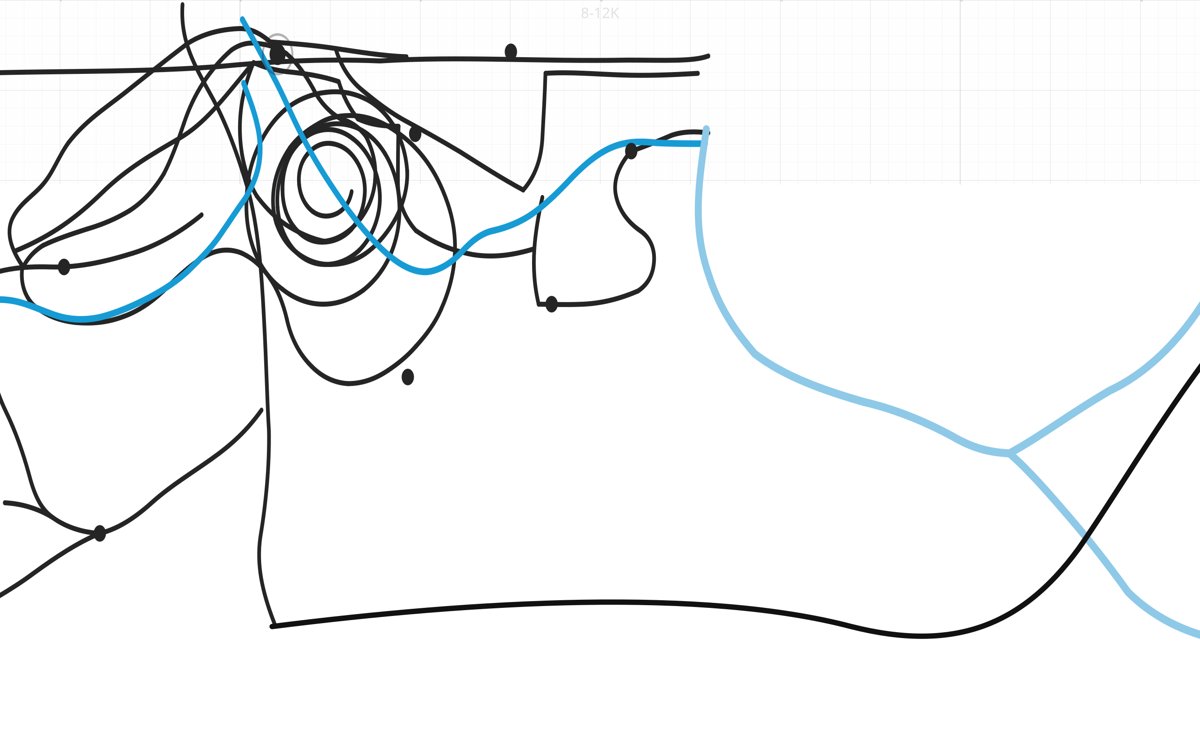
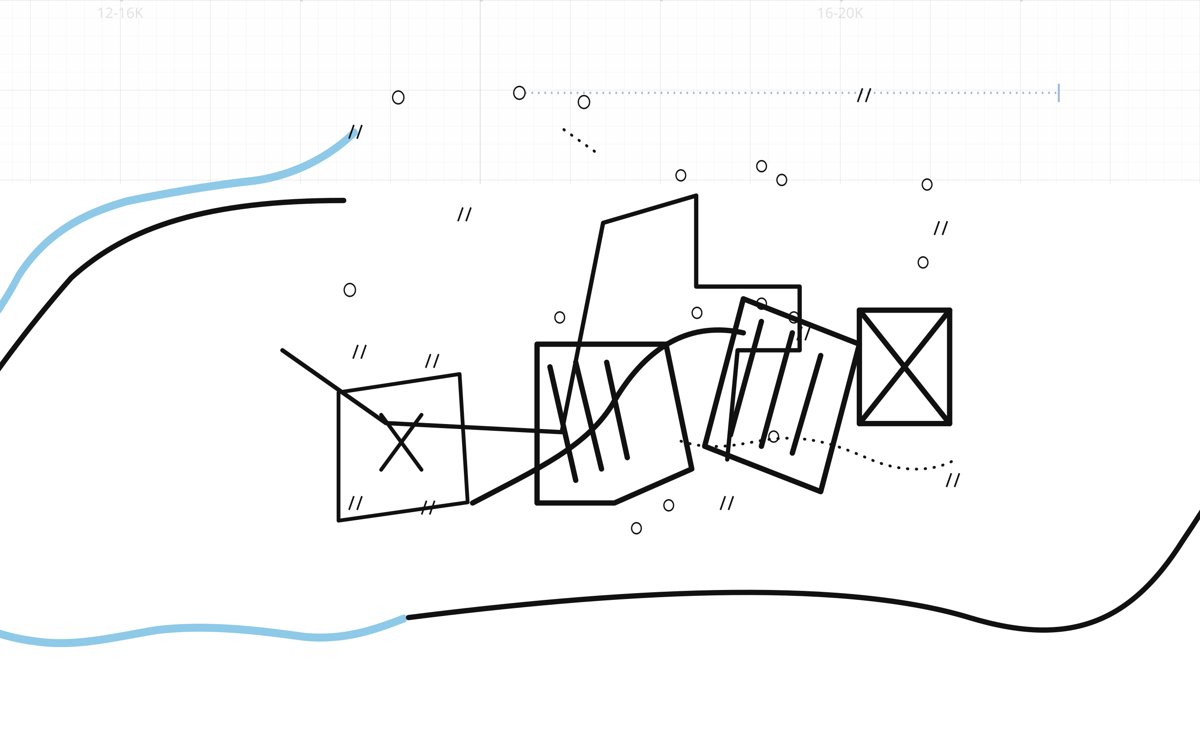
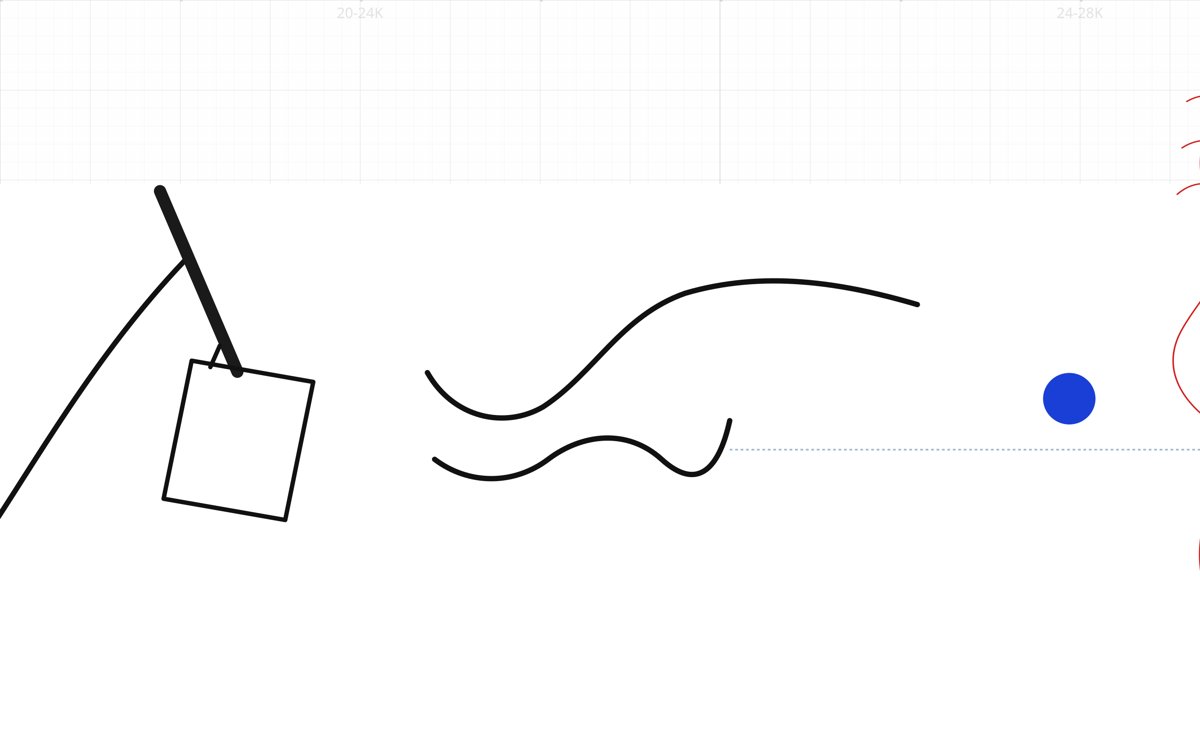
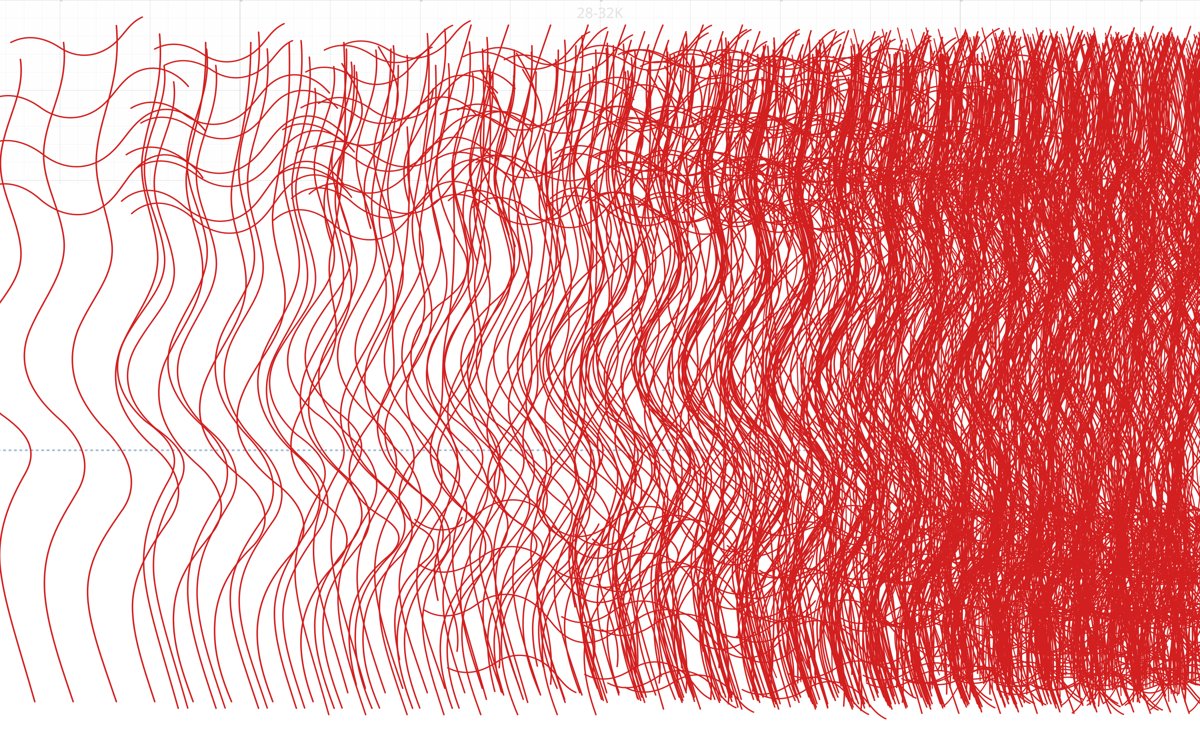
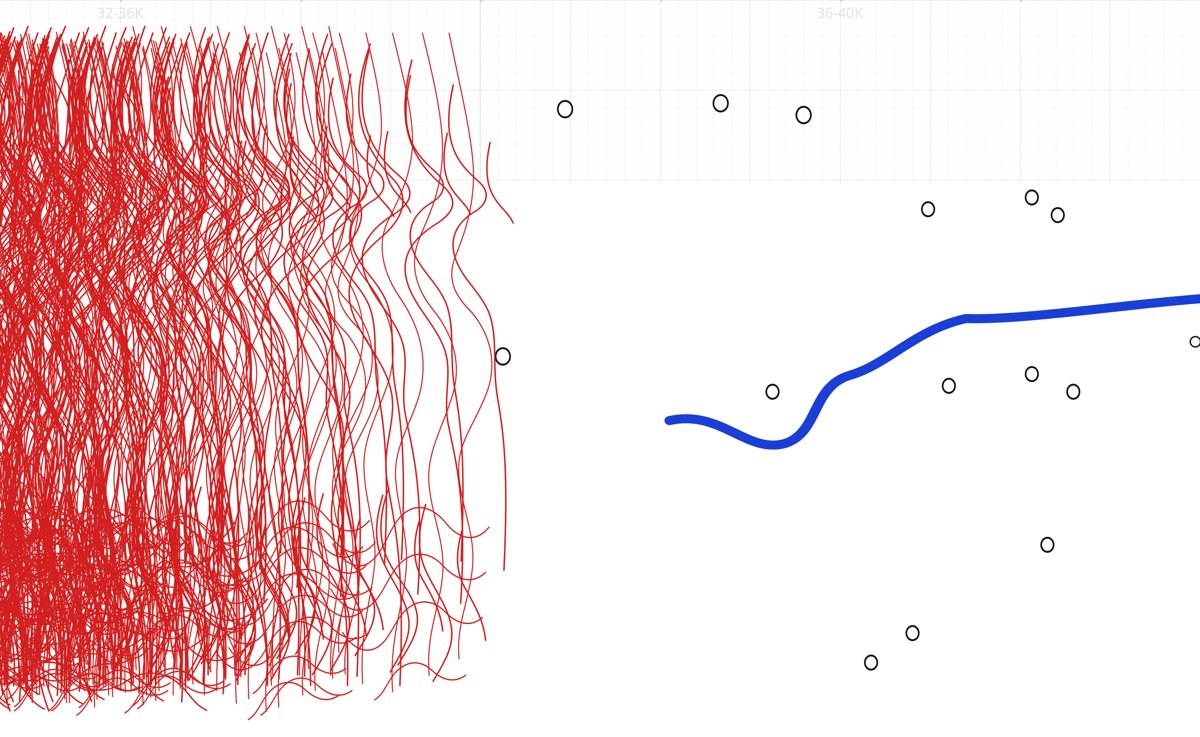
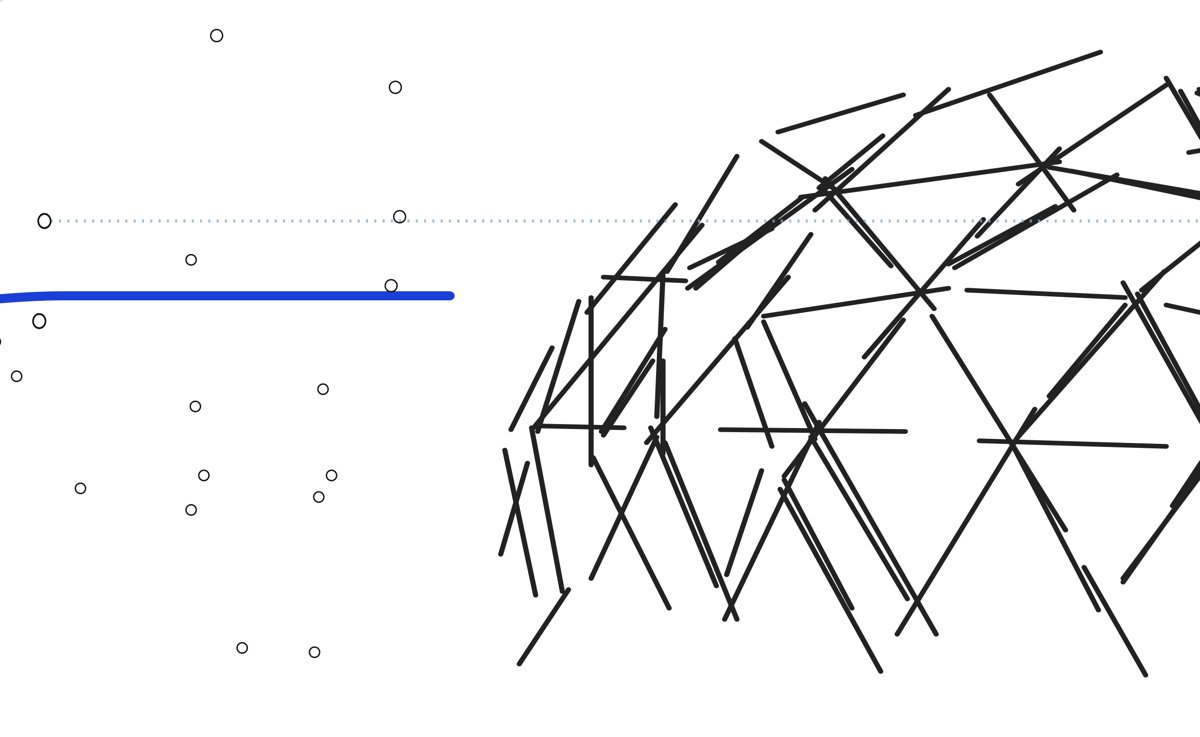
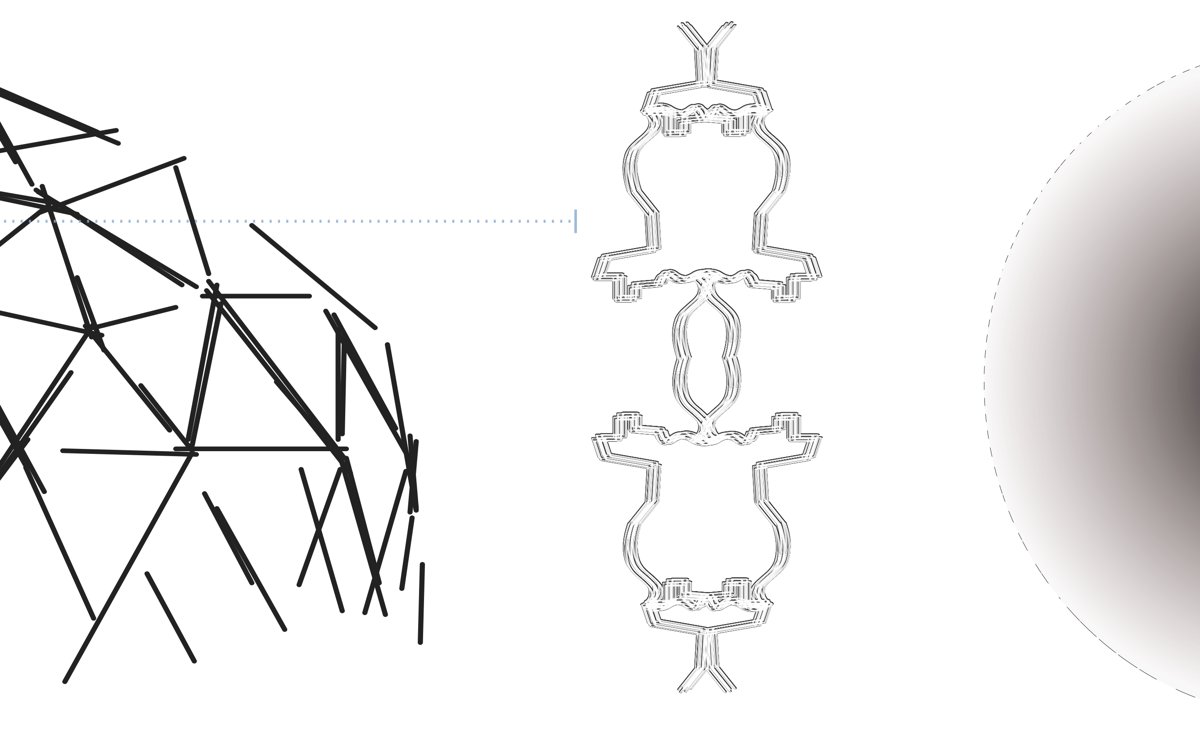
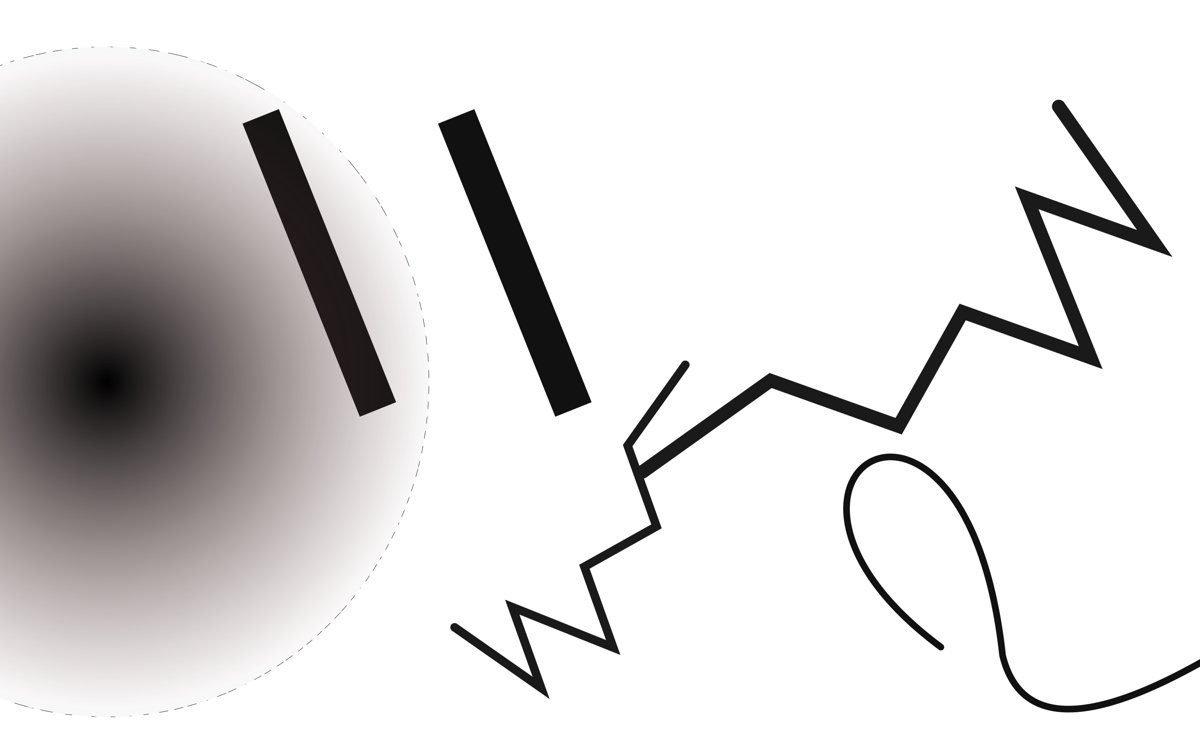
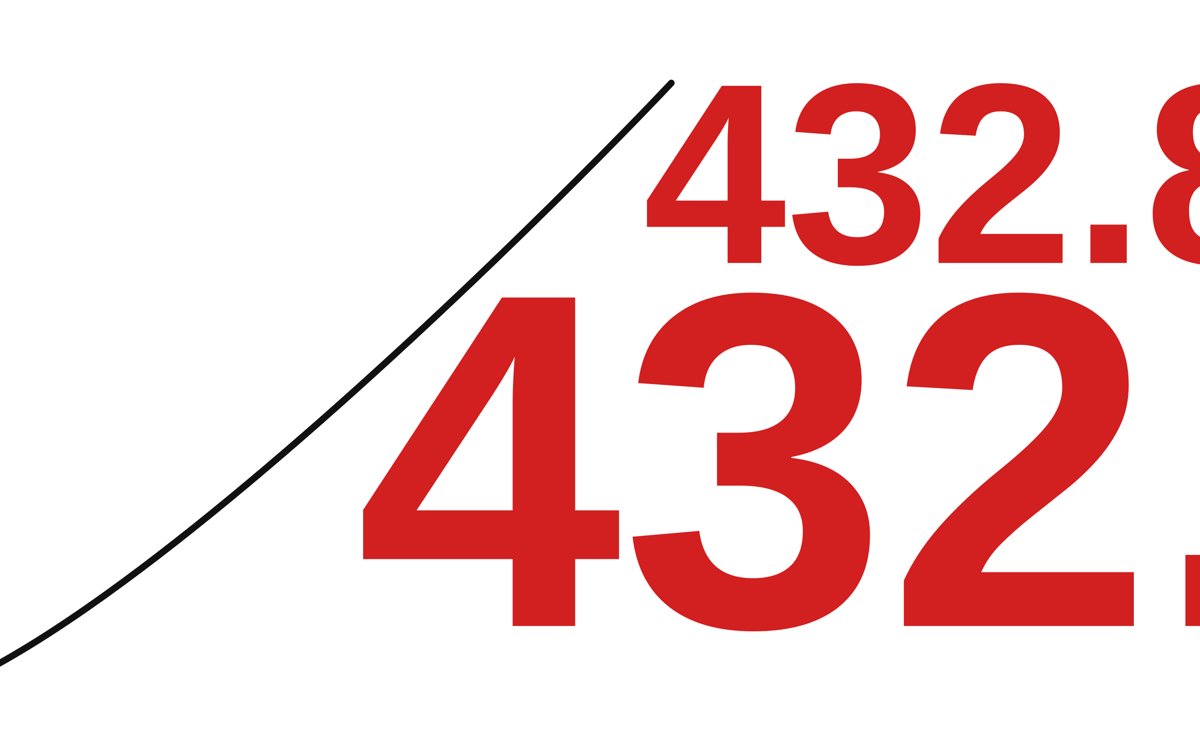
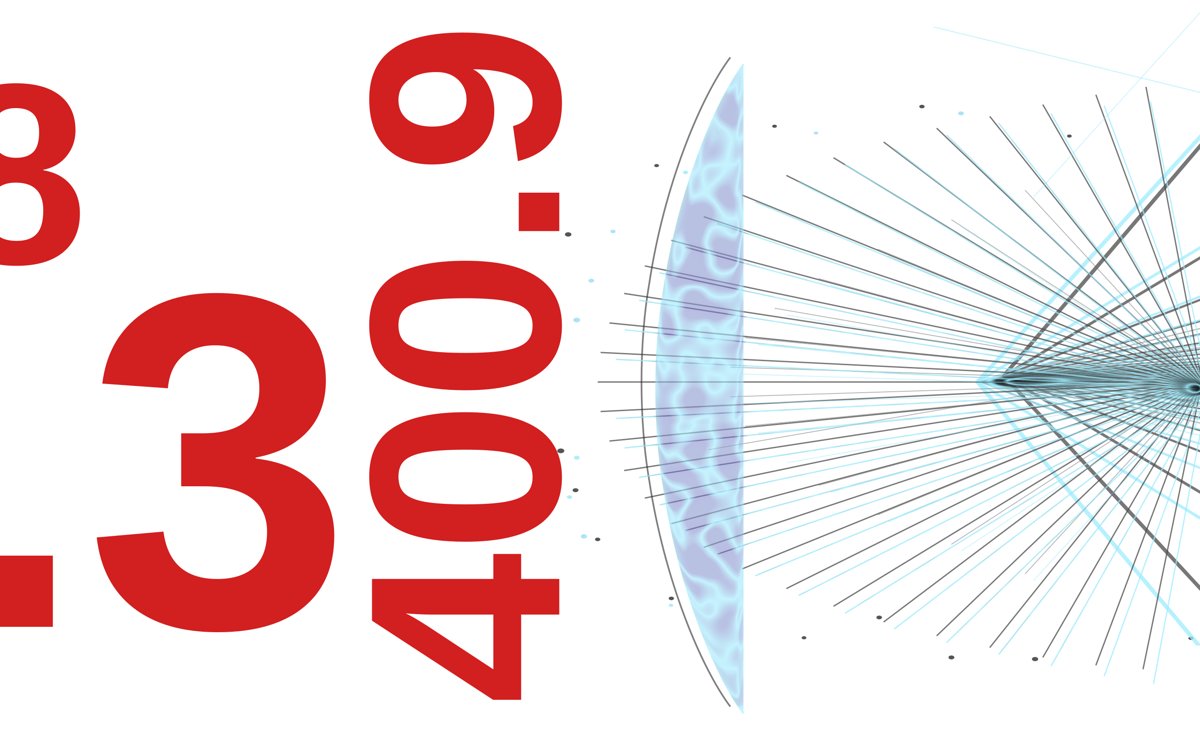
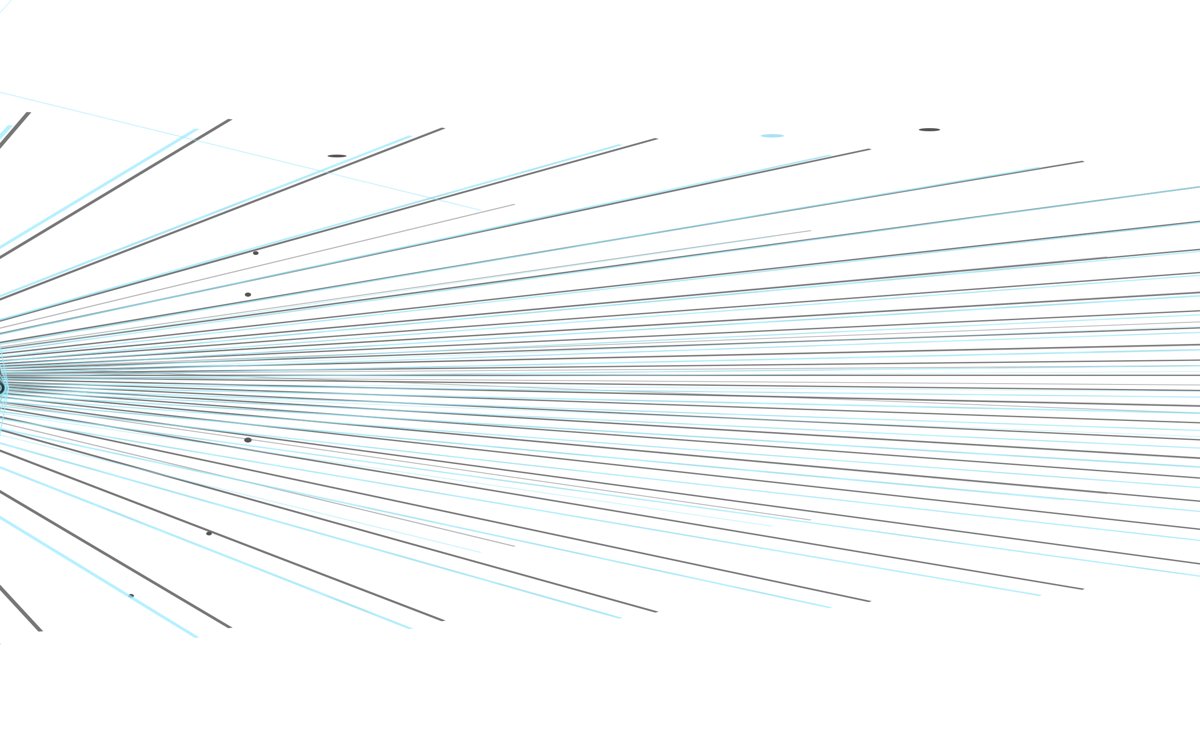
Jovana's score for the closing concert. A long scrolling score of drawn lines and paths, a dense field of red strokes, a broken geodesic dome and large frequency numbers. Sounds are built into it: samples fired as the playhead reaches them, others drawn at random from a pool, and a scattering of short impulses.
Download the score: buanfhomhar.oscilla — an Oscilla project, with its sound files. Open it in Oscilla with File → Import Project (.oscilla)…, or Import… on the start screen. Made with the Rizodency build (Oscilla 0.8.13); newer builds should also open it.
rizoma ensemble — Jovana Dragojević
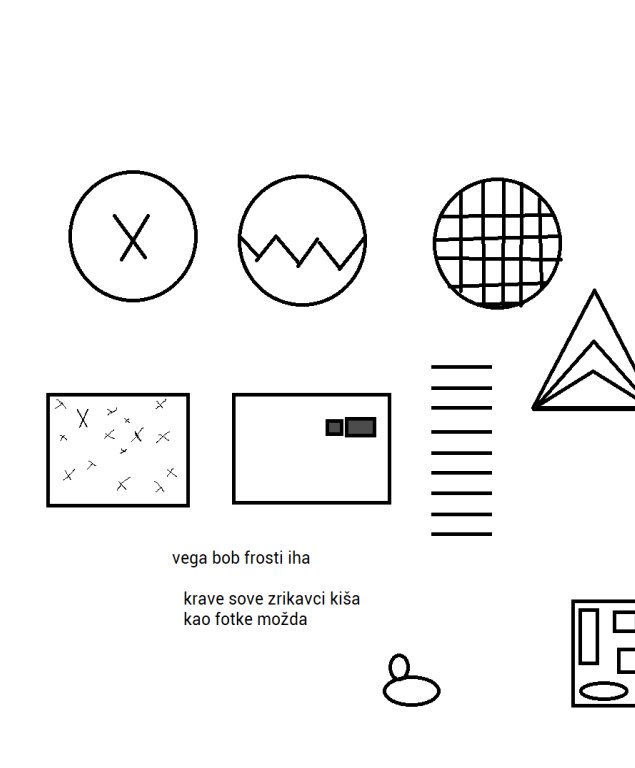
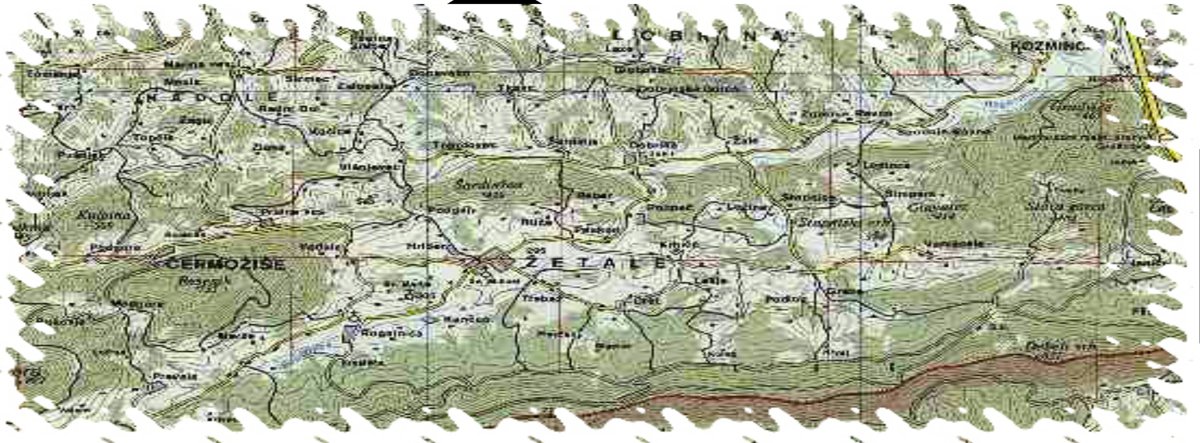

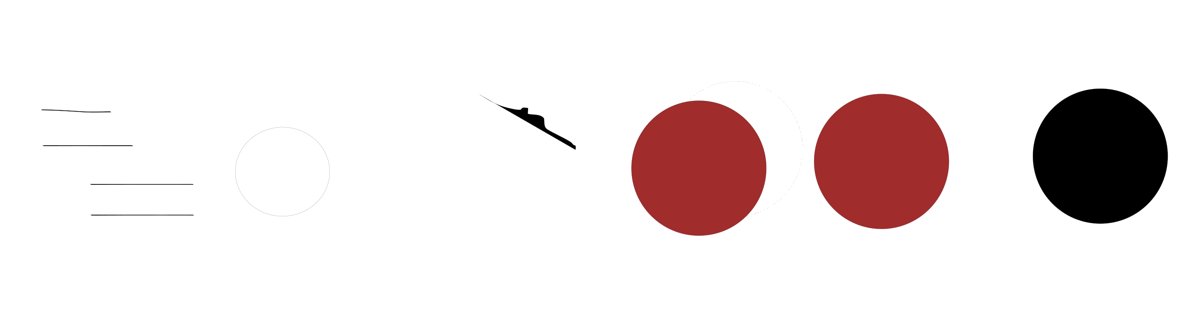
A short score built on a map of the hills around Rizoma, from Čermožiše to Žetale, with a legend of symbols for the players.
Download the score: rizoma-ensemble.oscilla — an Oscilla project. Open it in Oscilla with File → Import Project (.oscilla)…, or Import… on the start screen. Made with the Rizodency build (Oscilla 0.8.13); newer builds should also open it.
Ensemble Rizoma – Score 01 — Grgur Savić
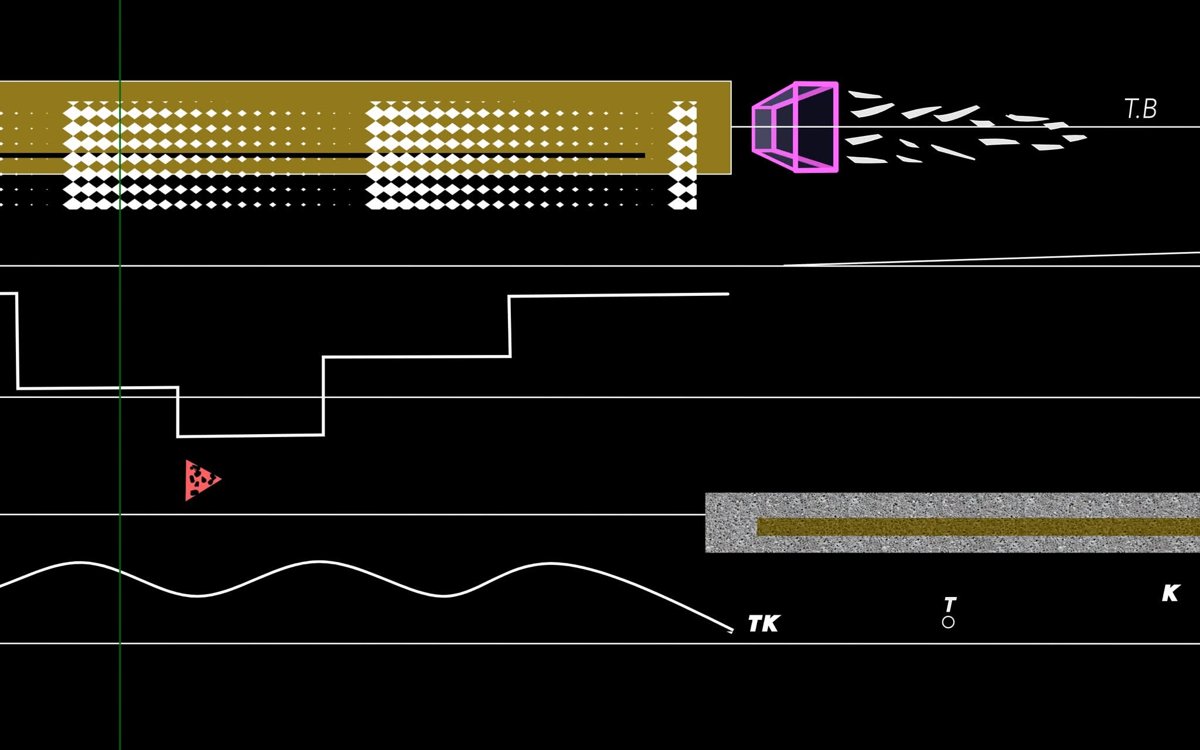
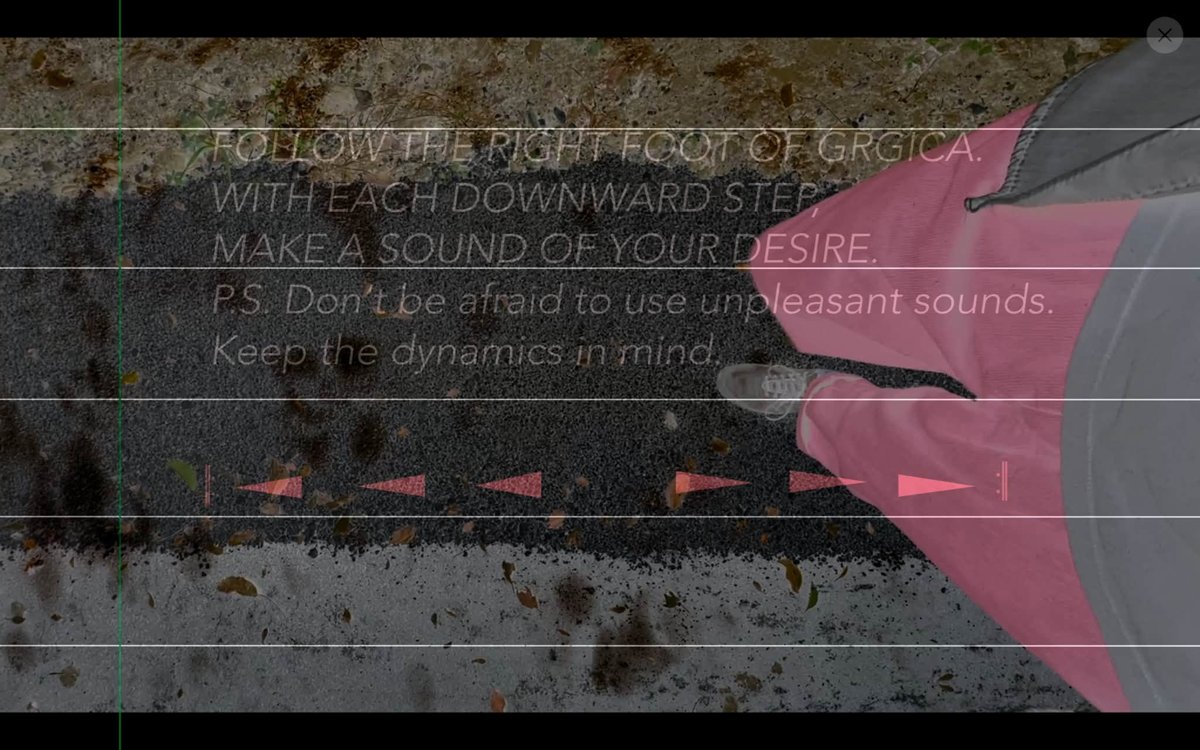
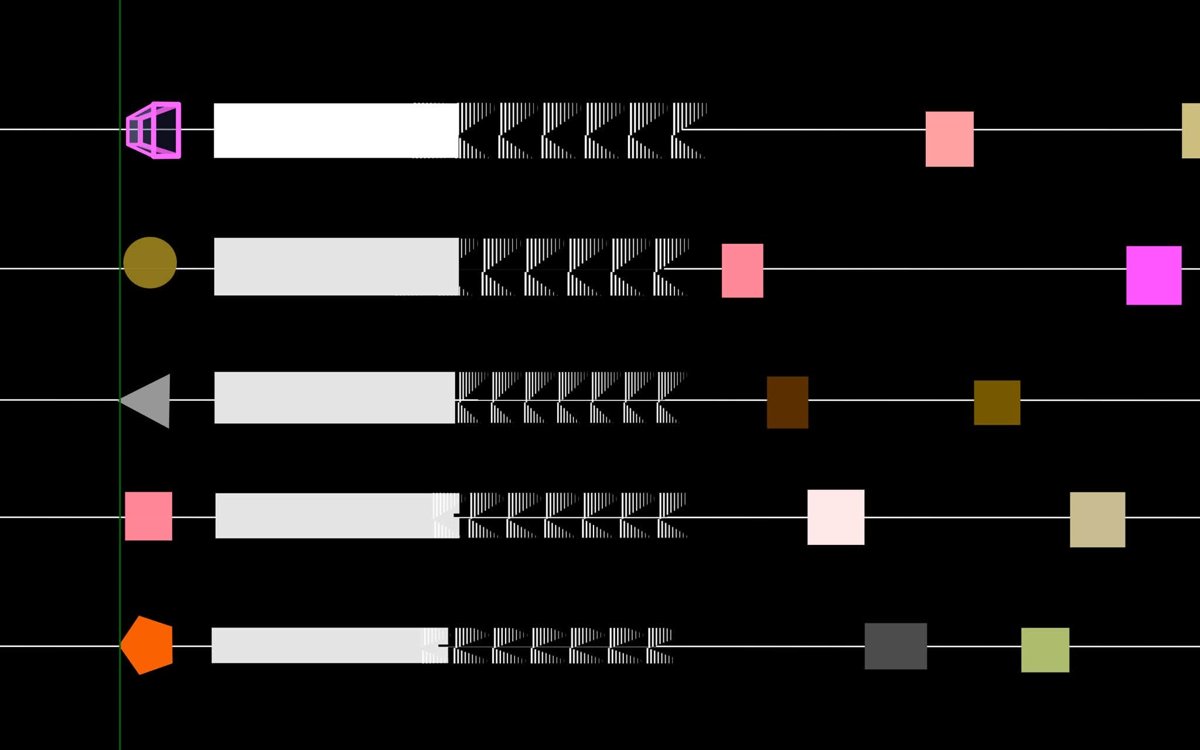
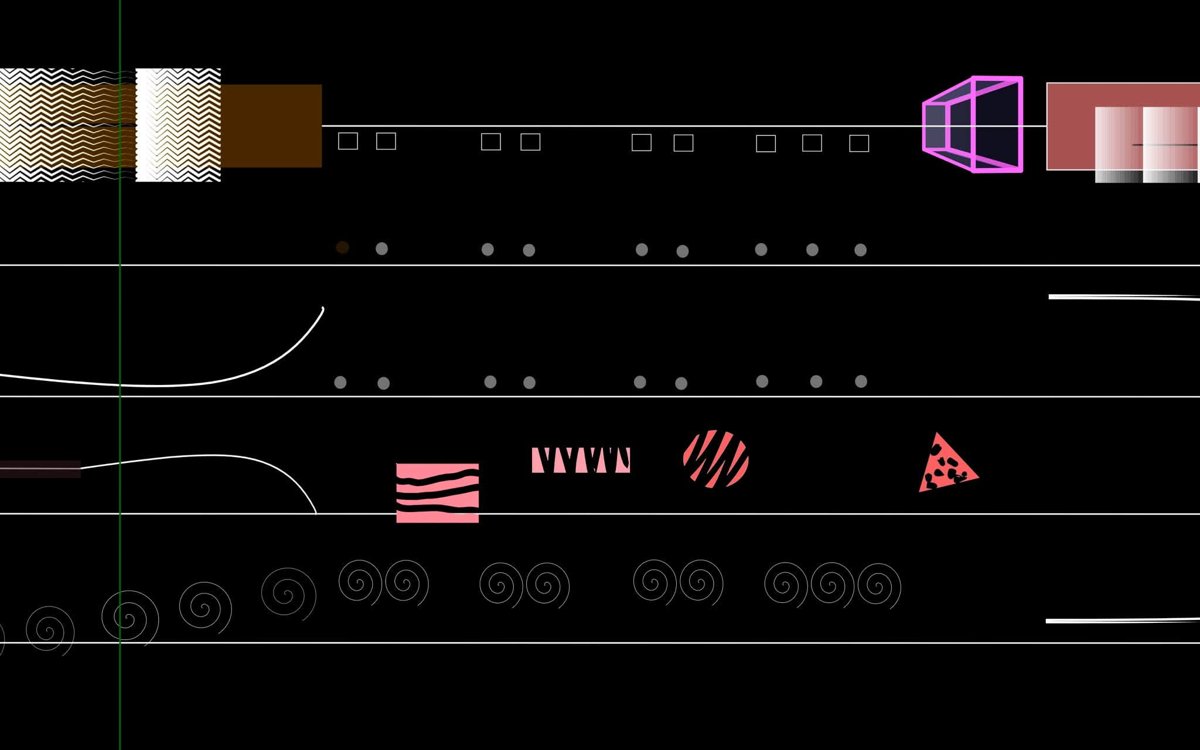
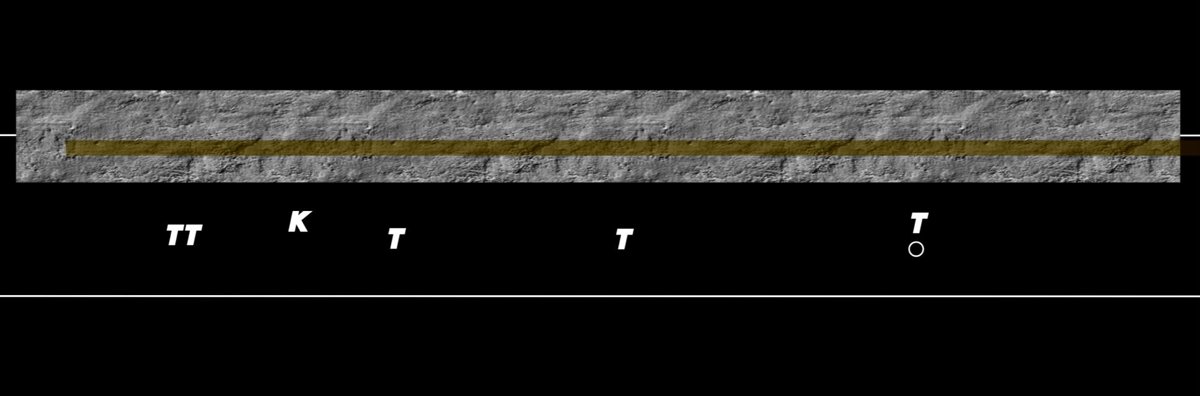
Grgur's score for the residency ensemble, played at the closing concert. Each player follows their own line of symbols, textures and gestures as the score scrolls past. In one section a video embedded in the score shows Grgur walking; the players follow his right foot, making a sound of their choice on each downward step, unpleasant ones included.
Zero = Absence — Grgur Savić
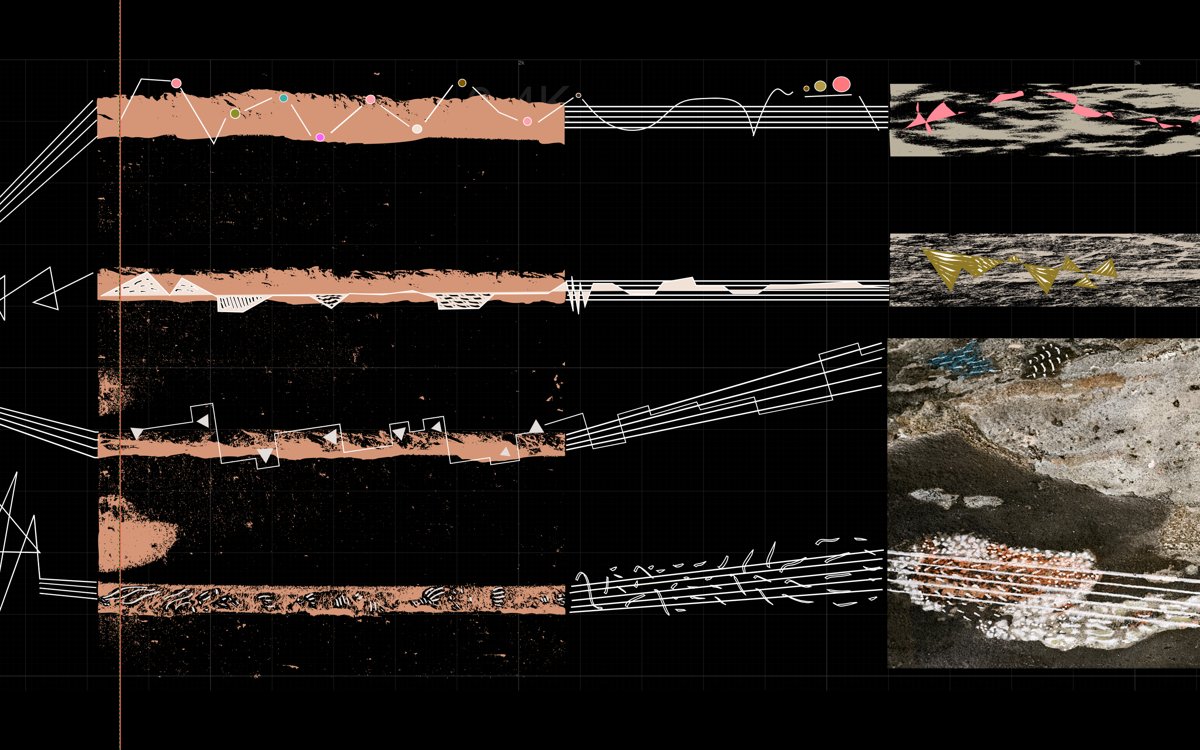
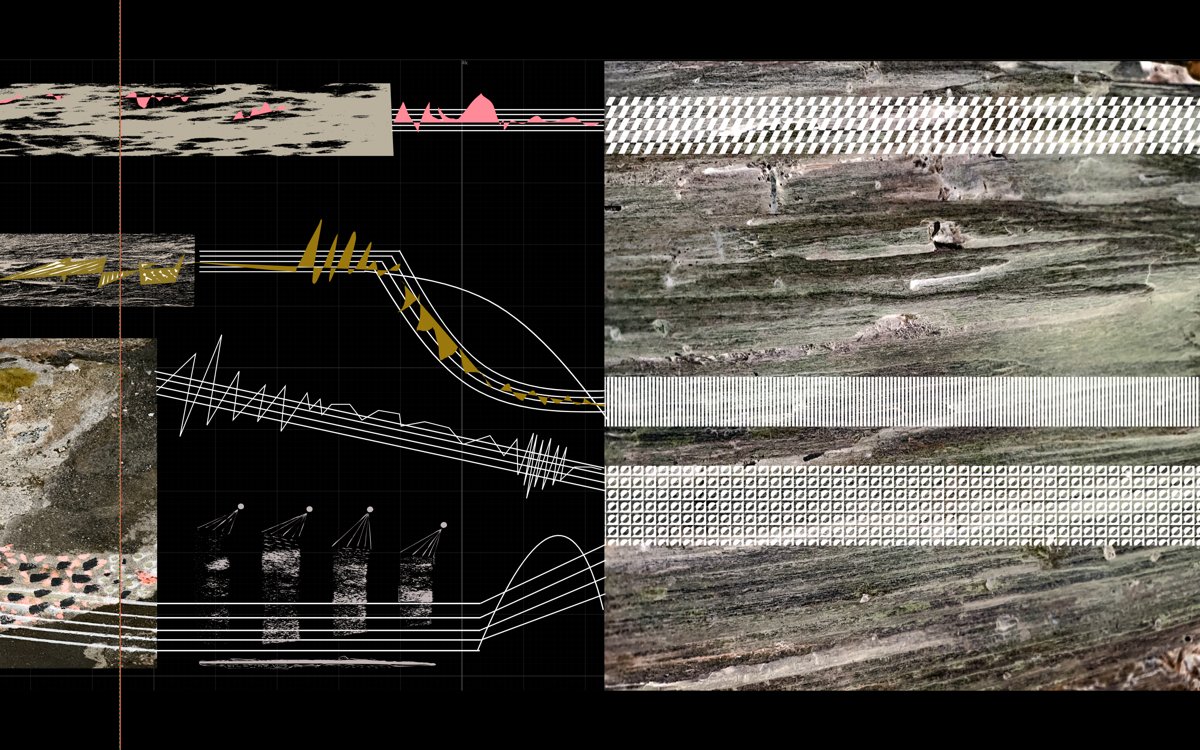
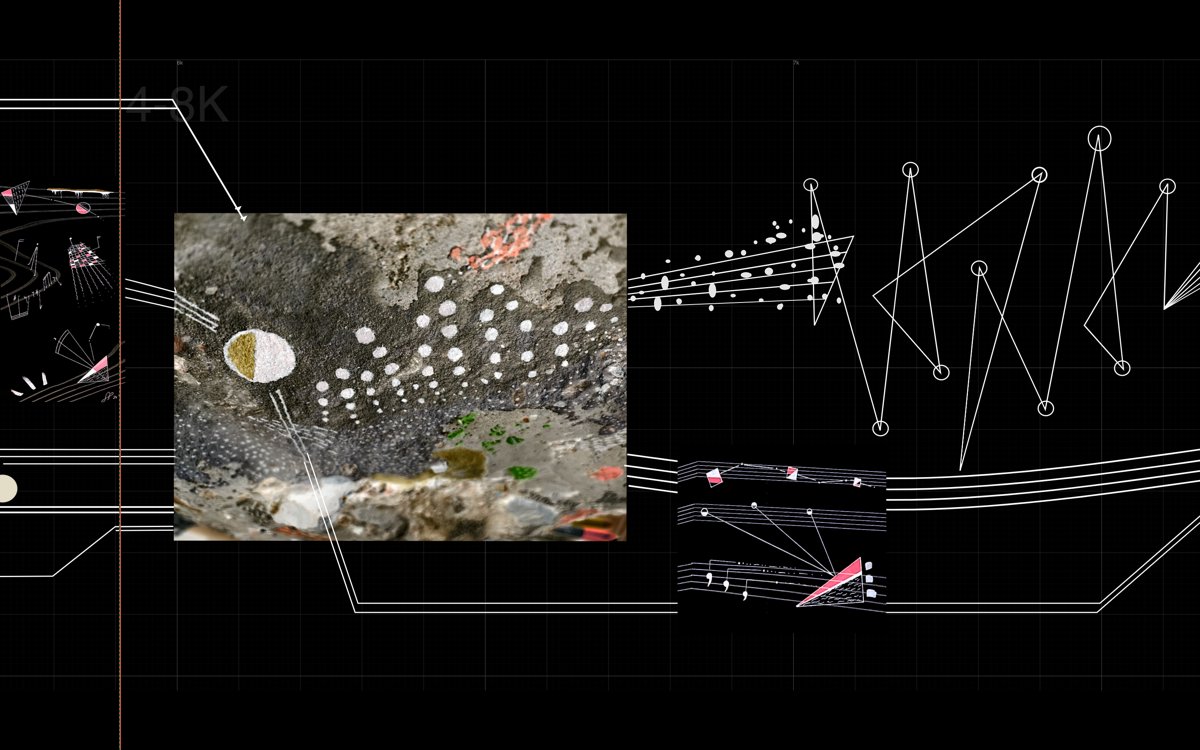
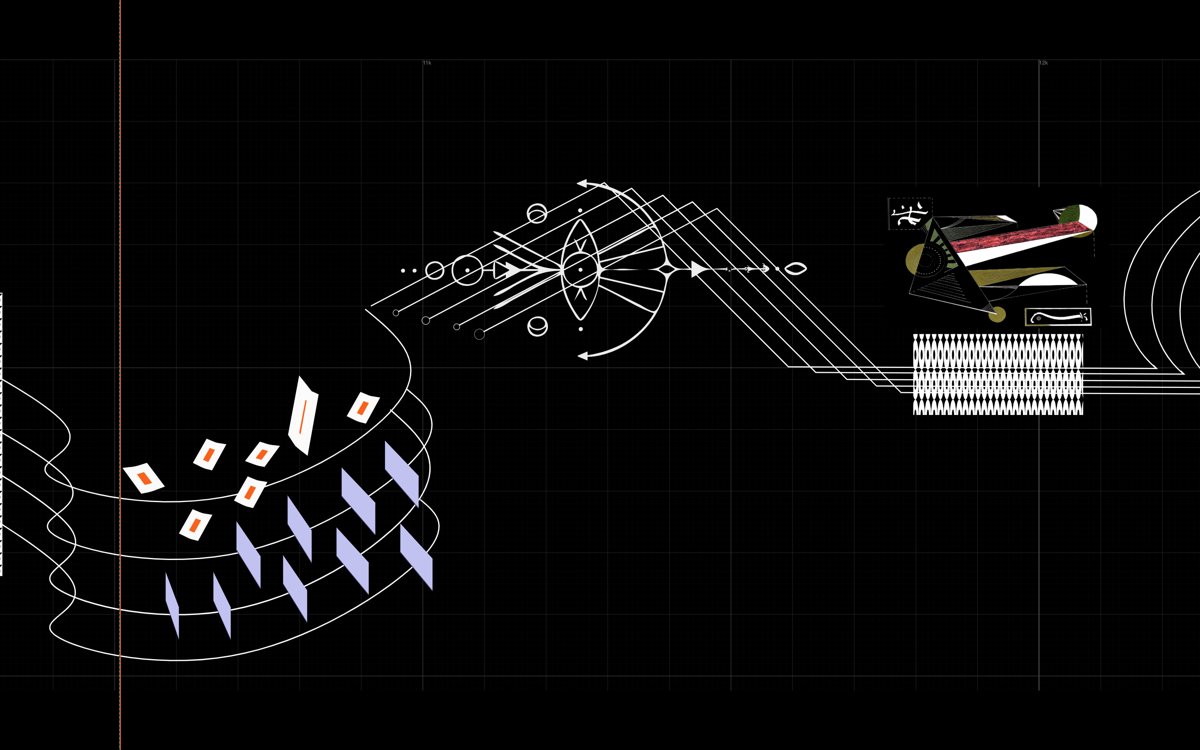
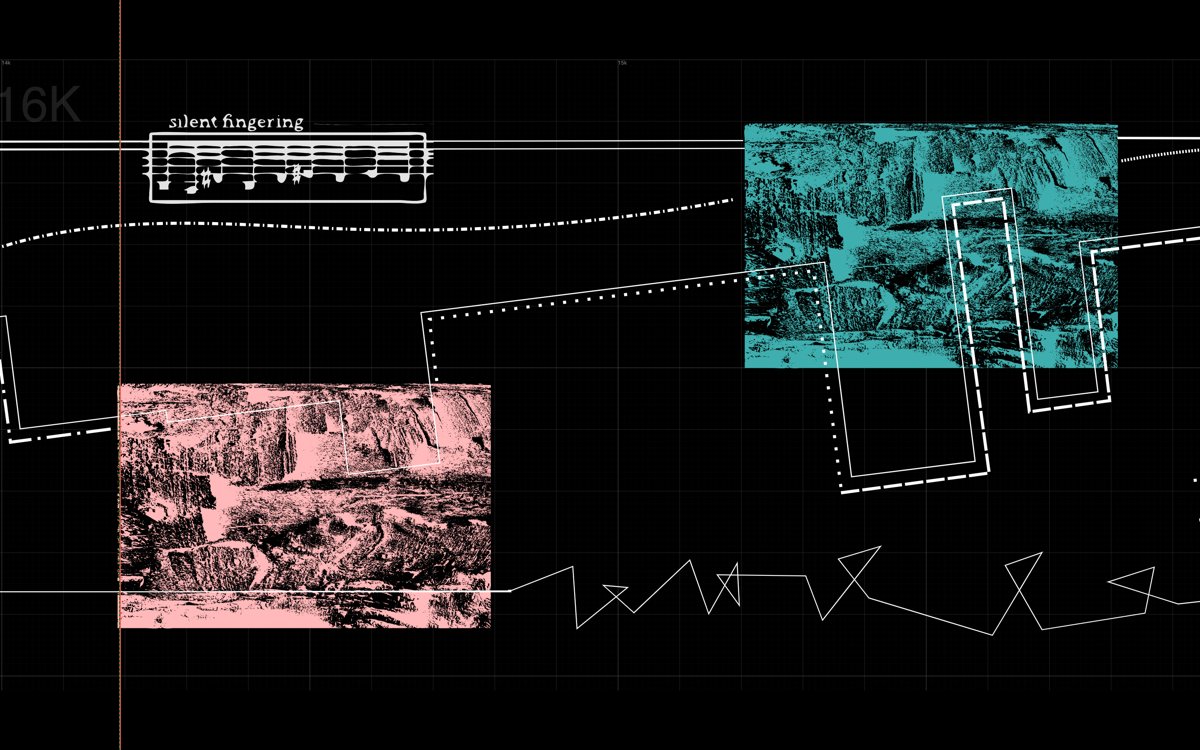
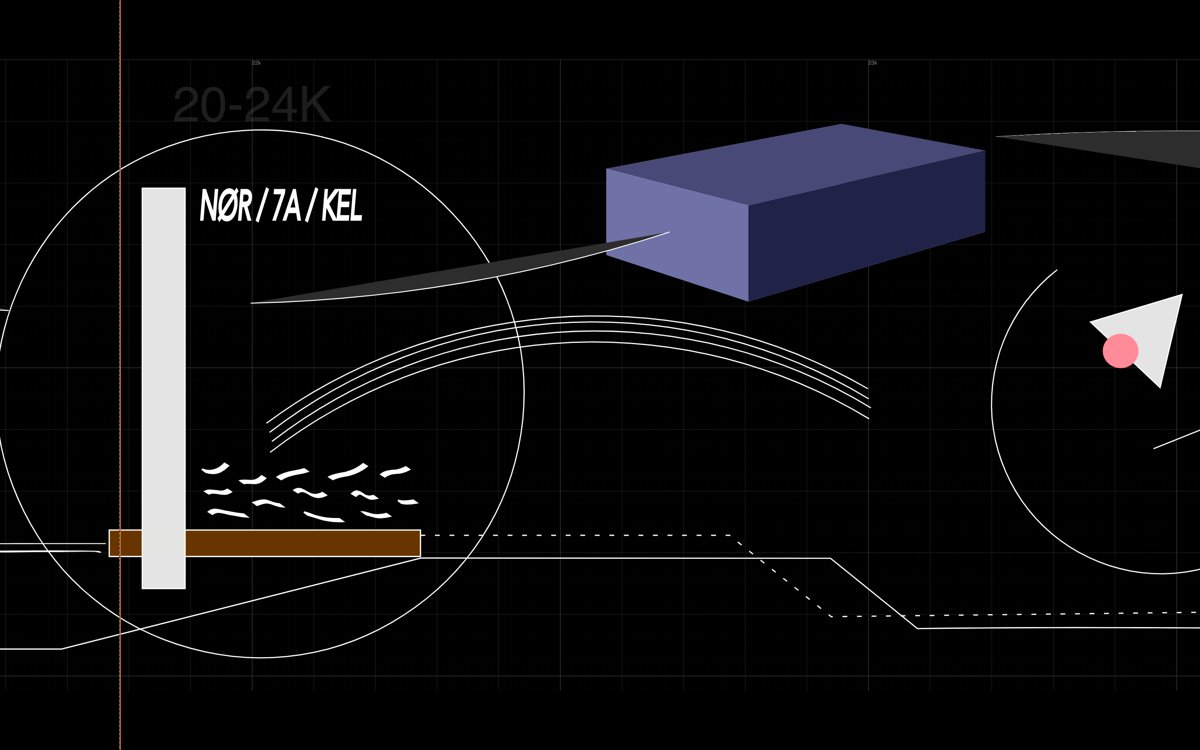
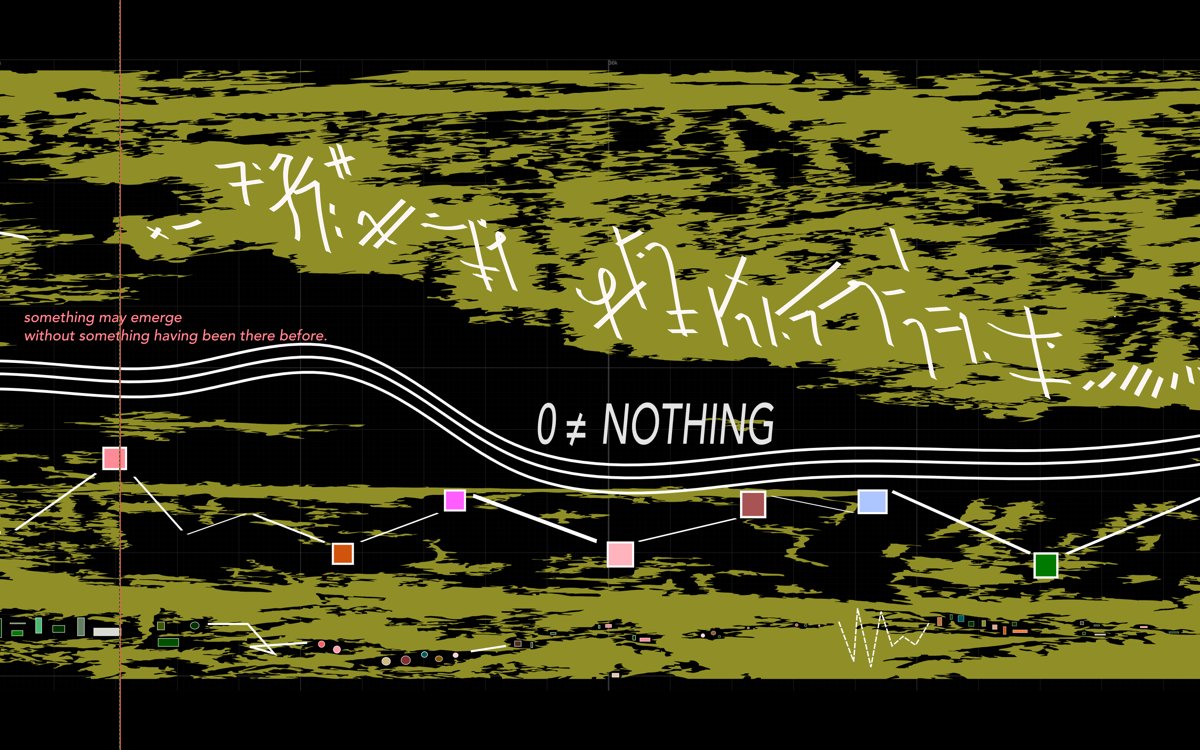
A score begun during the residency and taken further in Berlin. Lines, drawn gestures, fragments of notation and textures of stone and rock scroll past in sections, ending on “0 ≠ nothing”: something may emerge without something having been there before.
Performed using Oscilla by the Trickster Orchestra with Ensemble LUX:NM in Phantasmagoria at Ensemblefest Berlin, CANK, 3 October 2026.
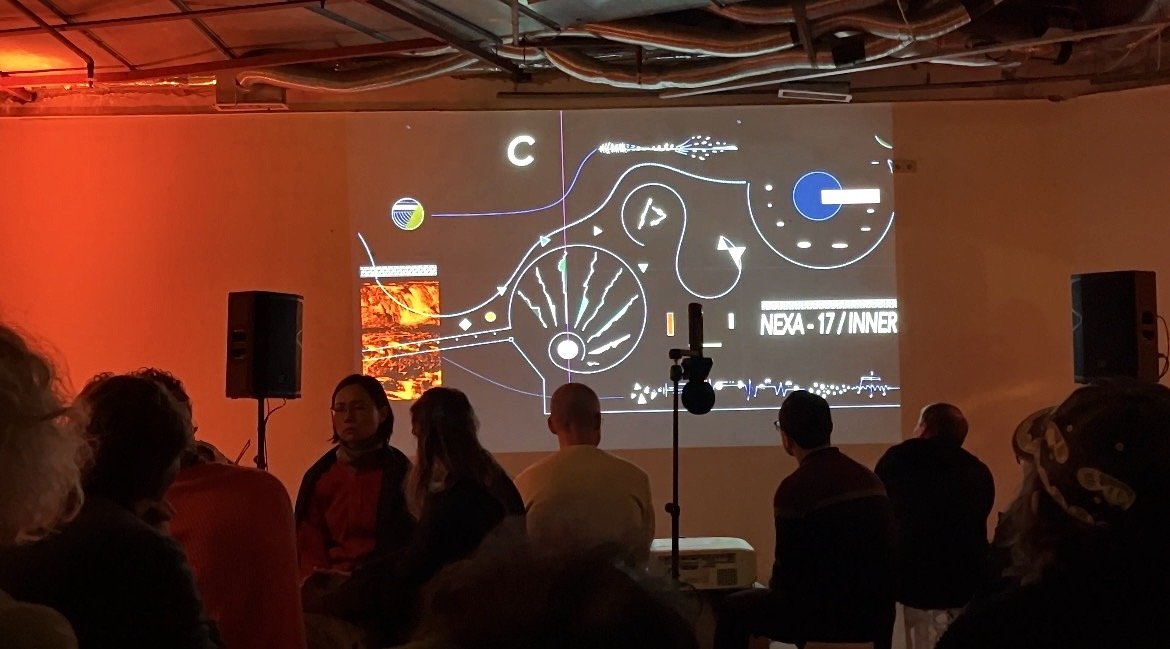
Polaris Moves — Rob Canning
Installation for electronics and live score
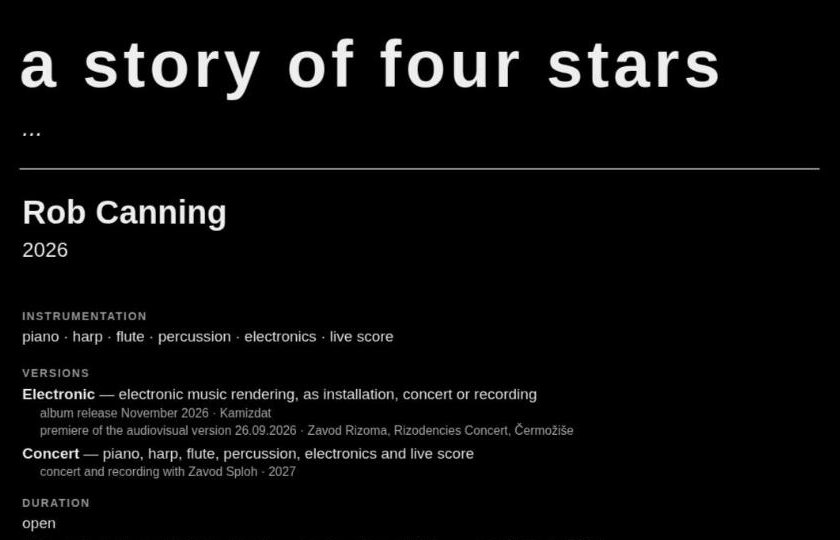
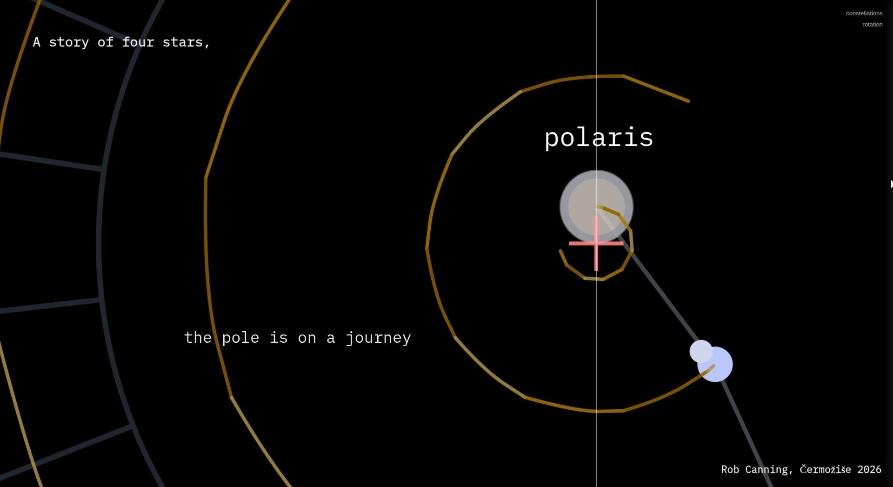
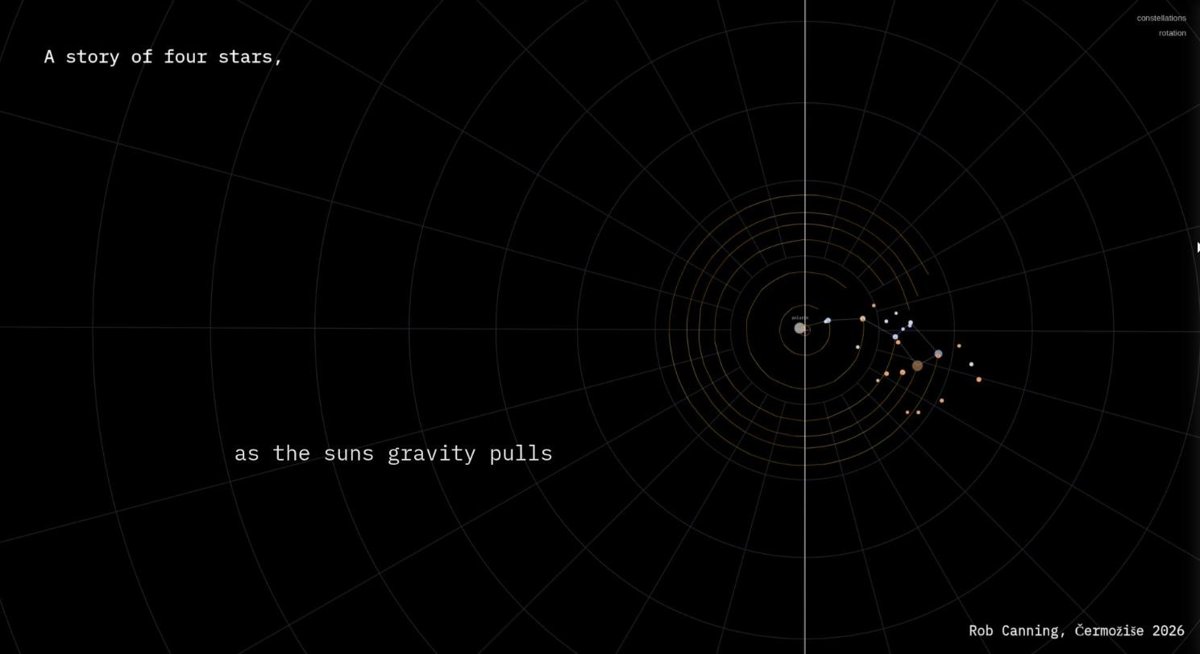
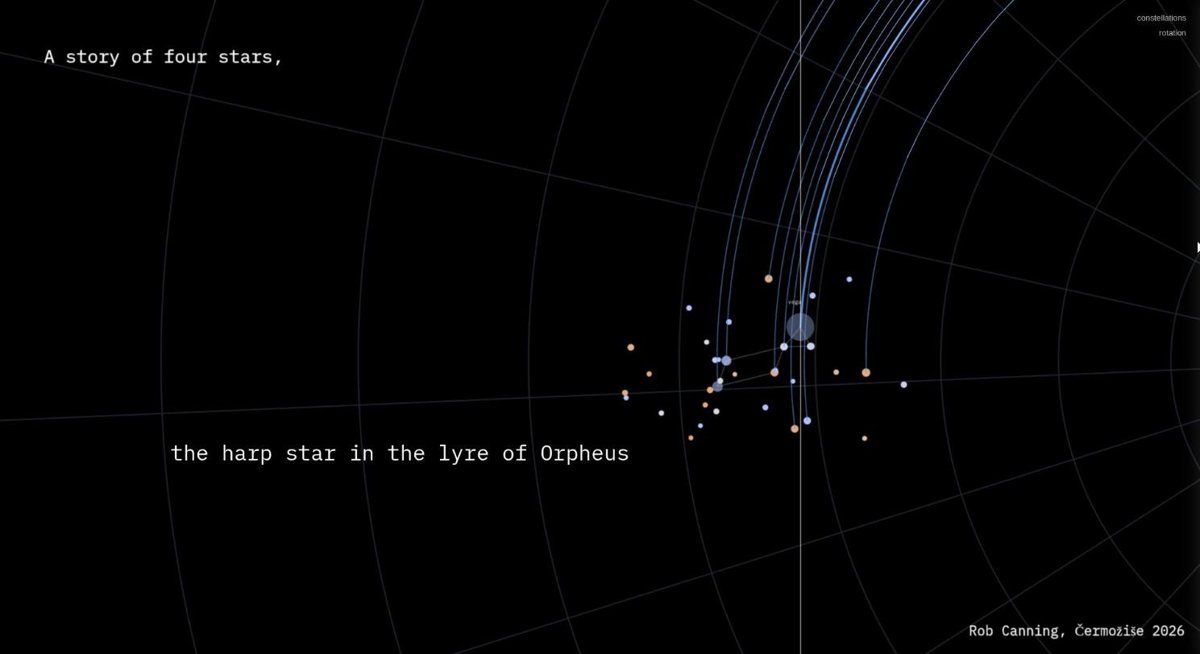
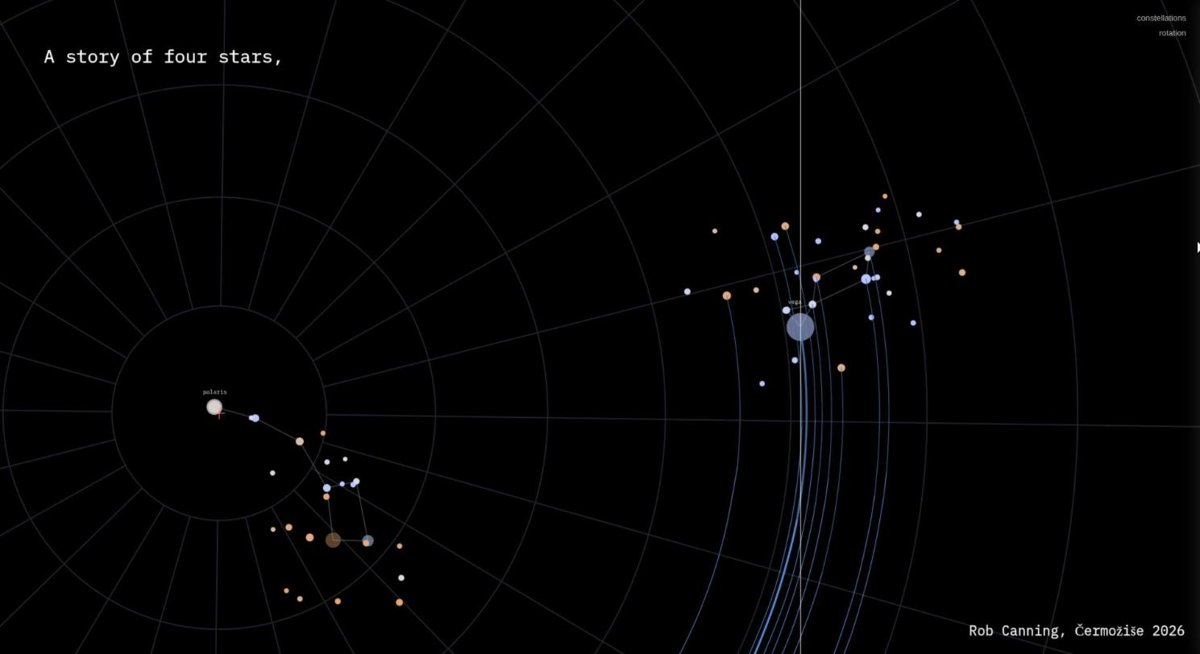
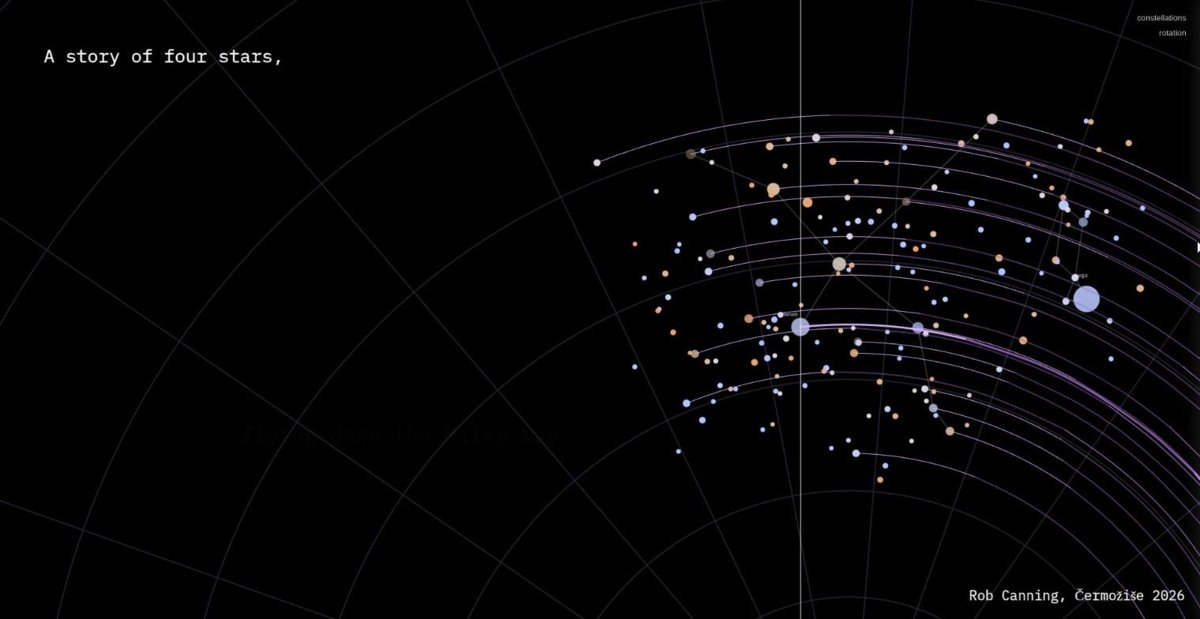
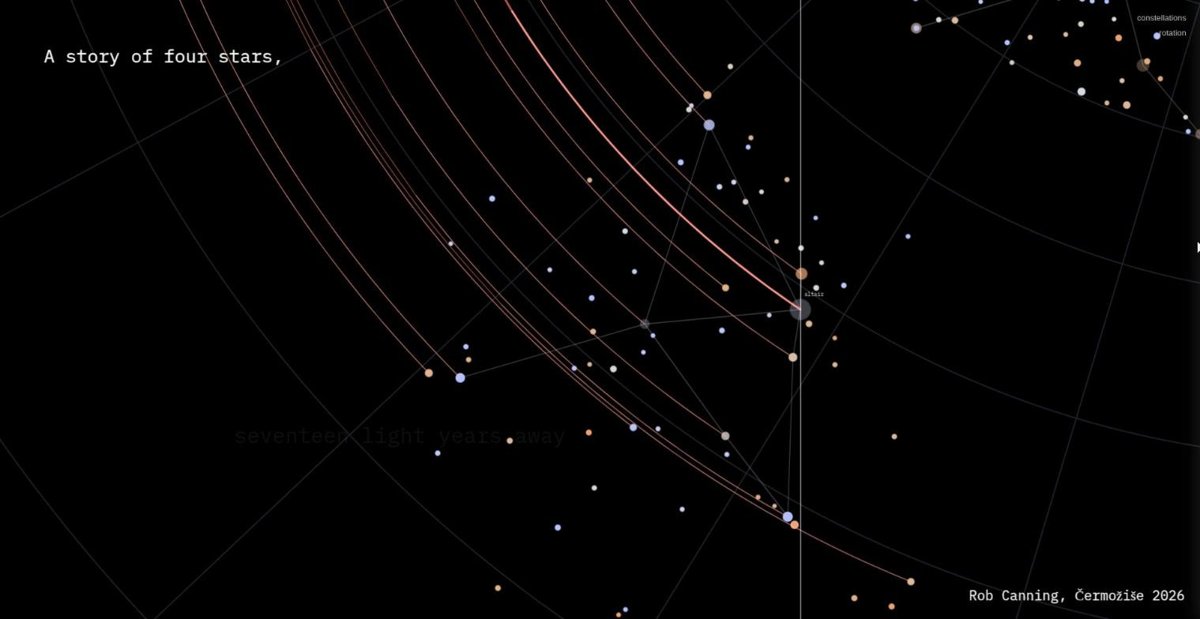
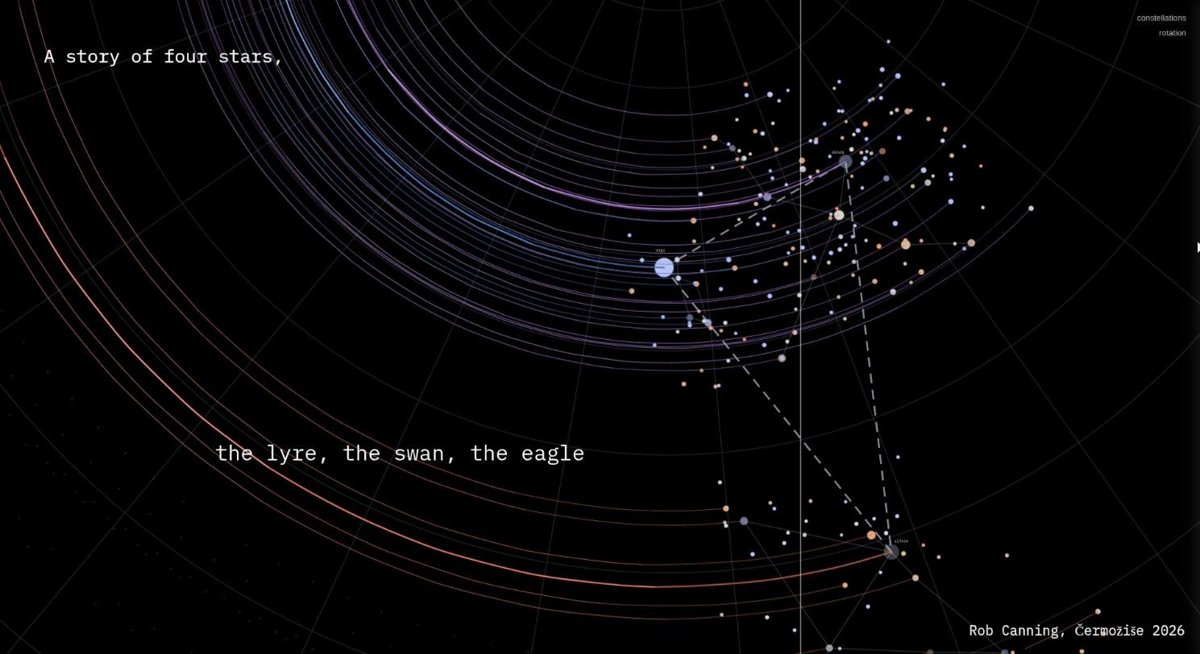
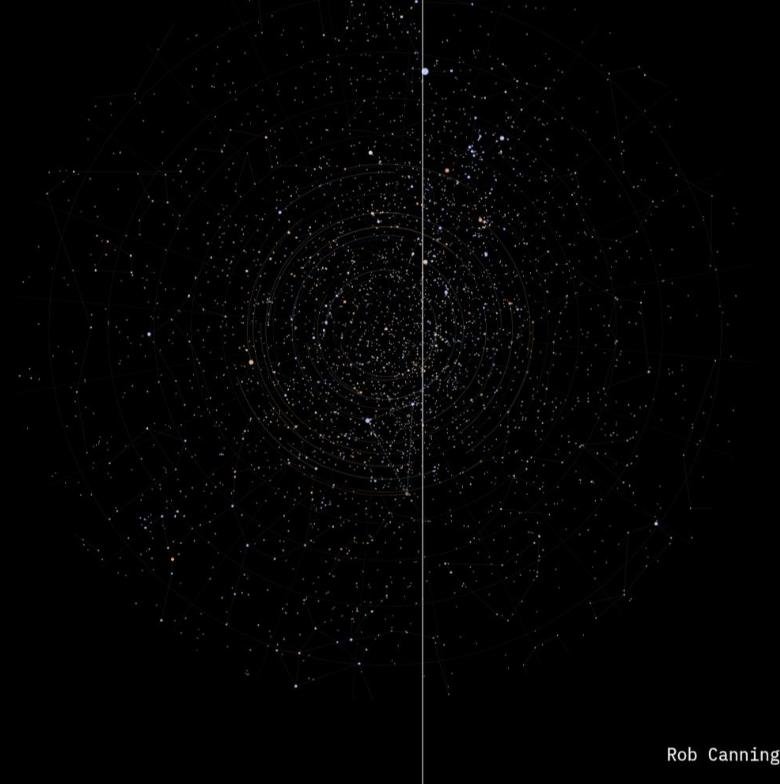
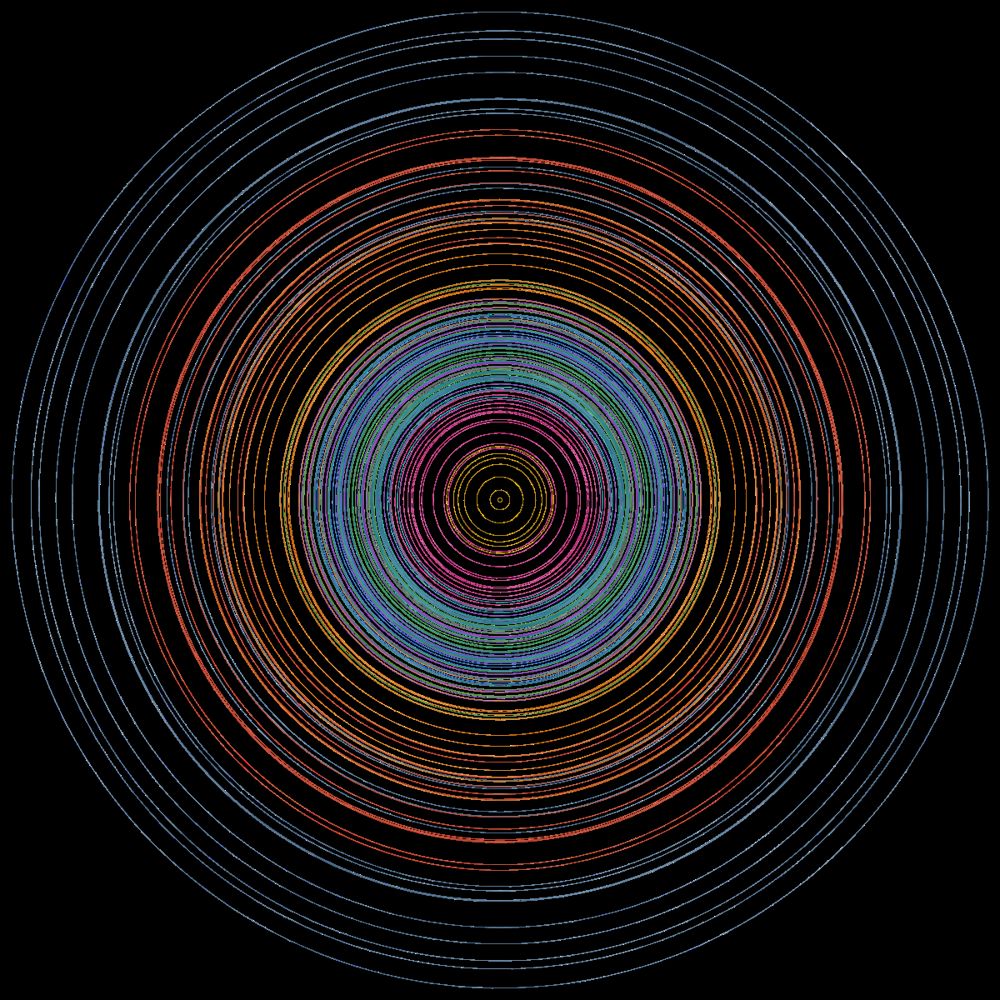
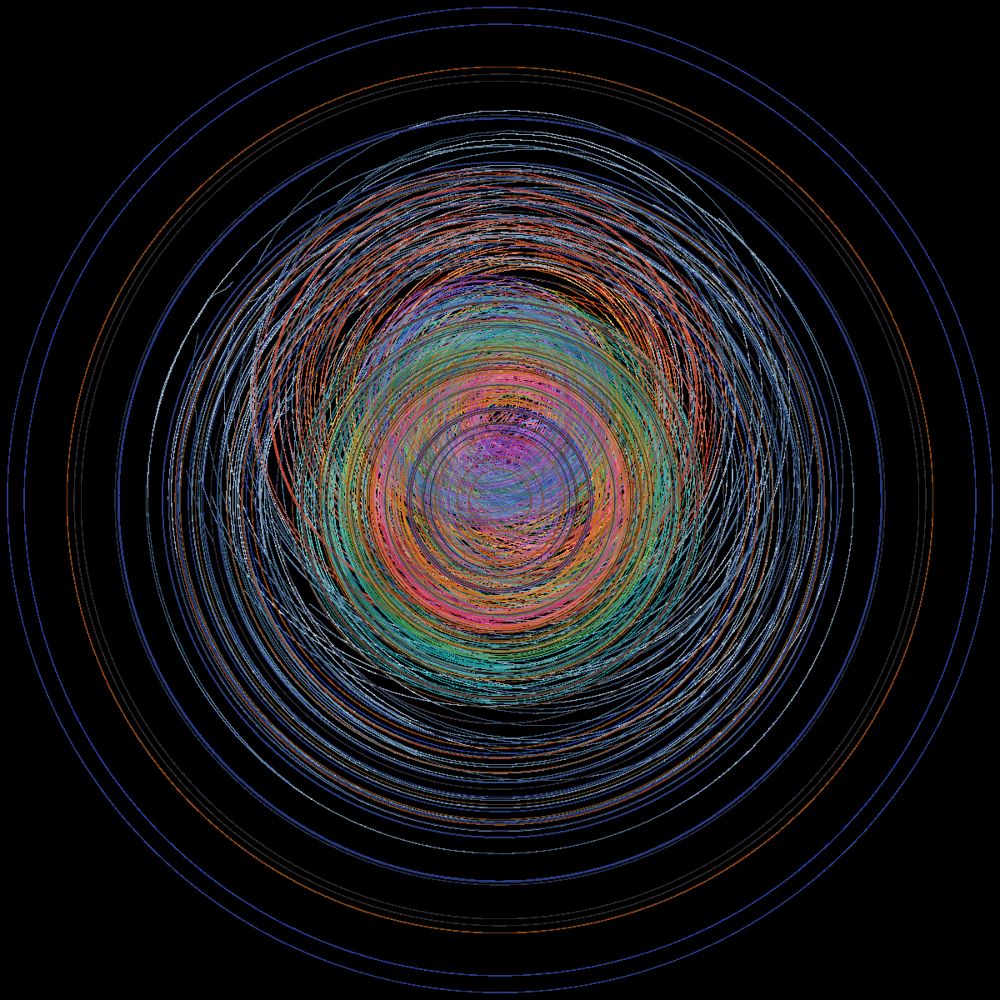
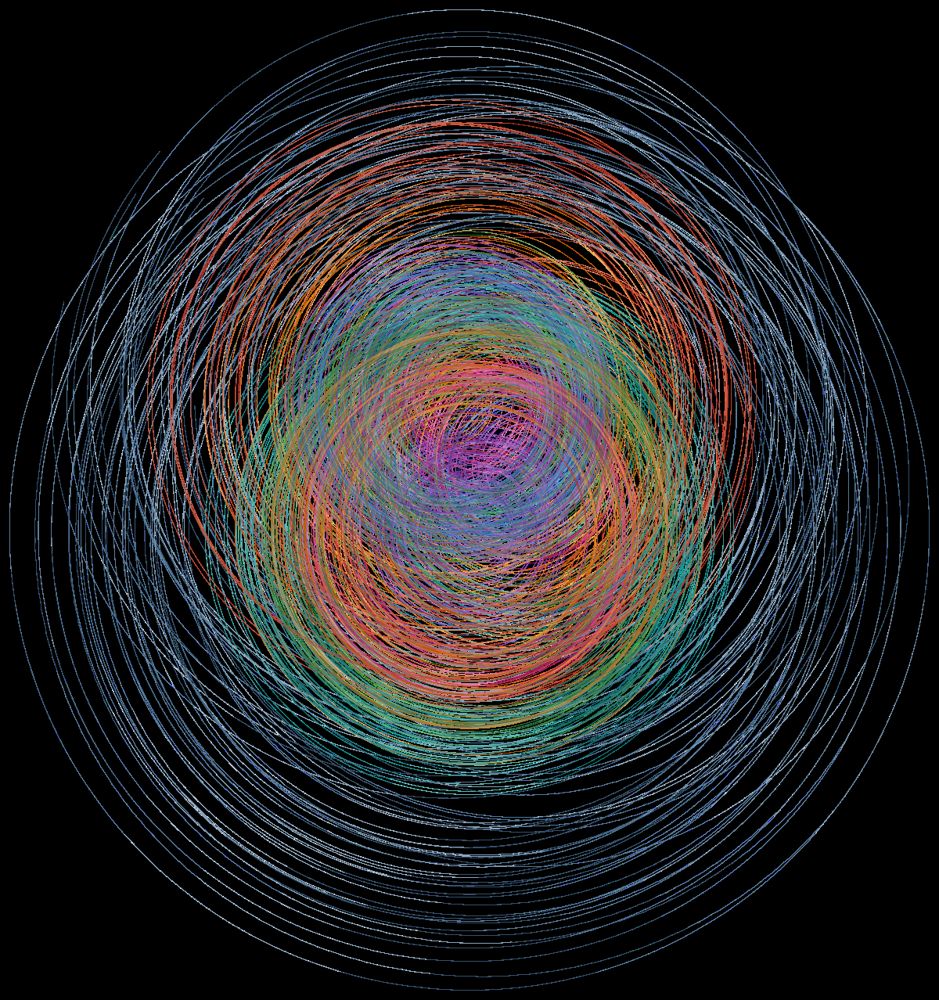
Rob's piece from the residency. Instead of a scrolling score, the score is a map of the northern sky, drawn from the Hipparcos catalogue, that turns slowly around the pole. A fixed vertical line is the playhead, and every star that touches it sounds. Each star keeps its own pitch, set by its distance from the pole, its loudness follows its brightness, and each constellation has its own family of bell-like voices in a SuperCollider patch.
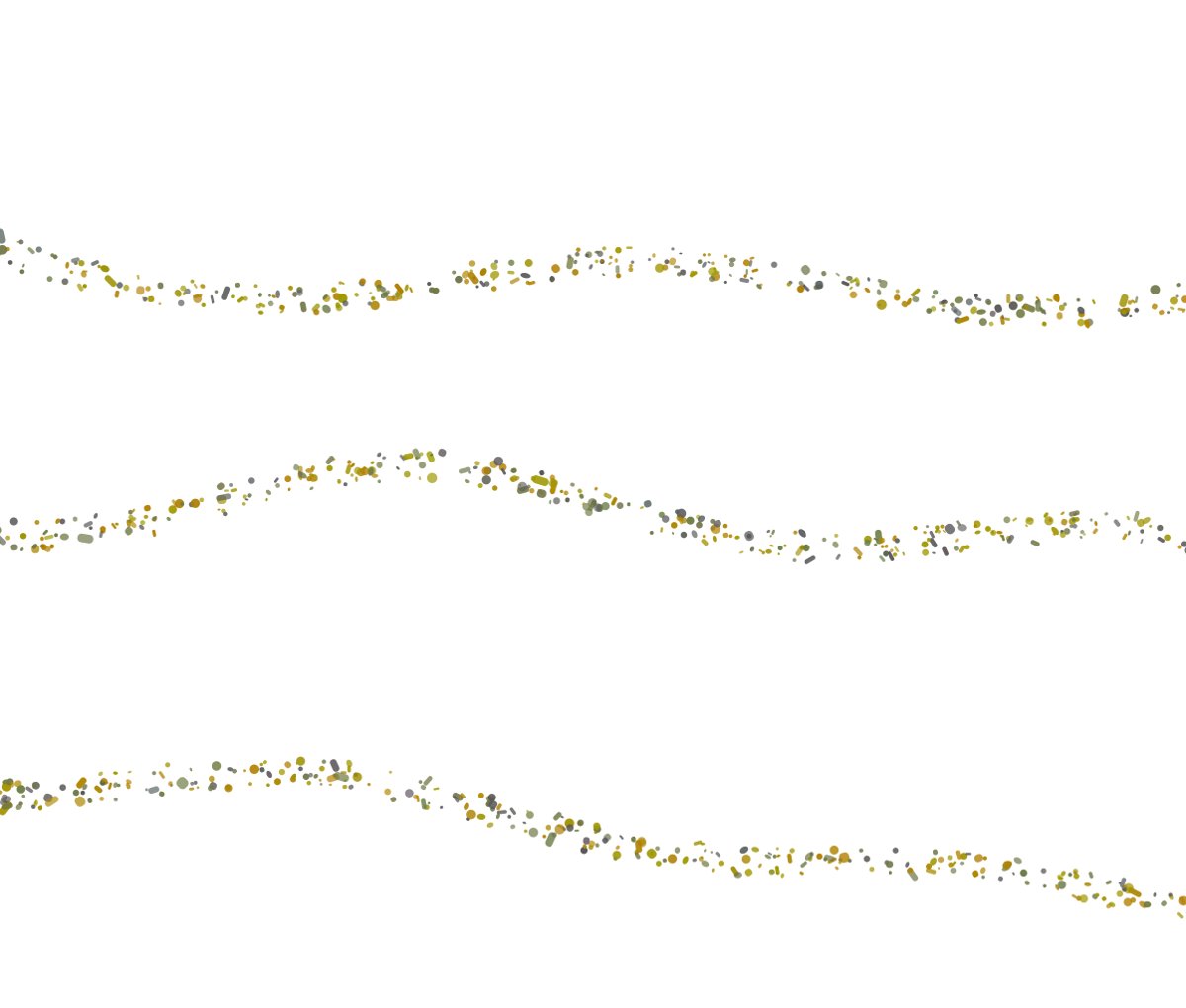
Over about 26,000 years the Earth's axis traces a cone, and the celestial pole drifts across the stars: axial precession. The score plays this out in a few minutes, moving the pole from Polaris to Vega, pole star of the 14th millennium, as the sky turns around it. The brightest stars leave trails as they move. The piece is also a study, made to demonstrate Oscilla's animation and sonification: the sky rotating, stars drawing their own trails, and every star turned into sound as it crosses the playhead. The last three images are trail drawings saved from the score.
Download the score: polaris-moves.oscilla — an Oscilla project, with the SuperCollider patch, the texts and the programme note. It runs in Oscilla's map mode, which came after the residency, so it needs Oscilla 0.9.0 or newer. Open it with File → Import Project (.oscilla)…, or Import… on the start screen. Star data: d3-celestial (Hipparcos catalogue), © Olaf Frohn, BSD-3.
Oscilla — The Rizodency Build
The residency was also a development sprint for Oscilla. Working with it every day, the residents took the software into situations it had not been in before, and it changed around them: between 1 and 28 September the project saw nearly 500 commits, taking Oscilla from release 0.5.9 to 0.8.13. The developer and the residents worked on it together — what the composers needed shaped what got built.
Filip Dobrocký, himself a developer, made technical contributions to the project alongside his creative work — around 40 commits, including:
- path-following motion (
o2p): speed set per stretch of a path, easing, and objects that keep their own transforms and follow rotating parents - the cue editor: copying and pasting cues between elements, and removing parameters from a cue
- single-letter tool shortcuts, and Esc to back out of any mode, panel or popup
- horizontal seeking through the score with a mouse wheel or trackpad
- fixes to the Windows desktop app, and an upgrade of the animation engine to anime.js 4
The other residents were excellent bug hunters, and suggested new features to support their own work, which were discussed and developed during the month. Among the things that grew out of that month: a connections view for wiring parts of a score together by dragging cords between ports, live microphone input that can be placed on the score, more reliable playback across several networked clients, and a security hardening of how projects are loaded.
Oscilla 0.8.13, built on 23 September for Linux, macOS and Windows, is the Rizodency build.
This work is being documented in a forthcoming publication. The full record is in Oscilla's commit history for September 2026.
Photos
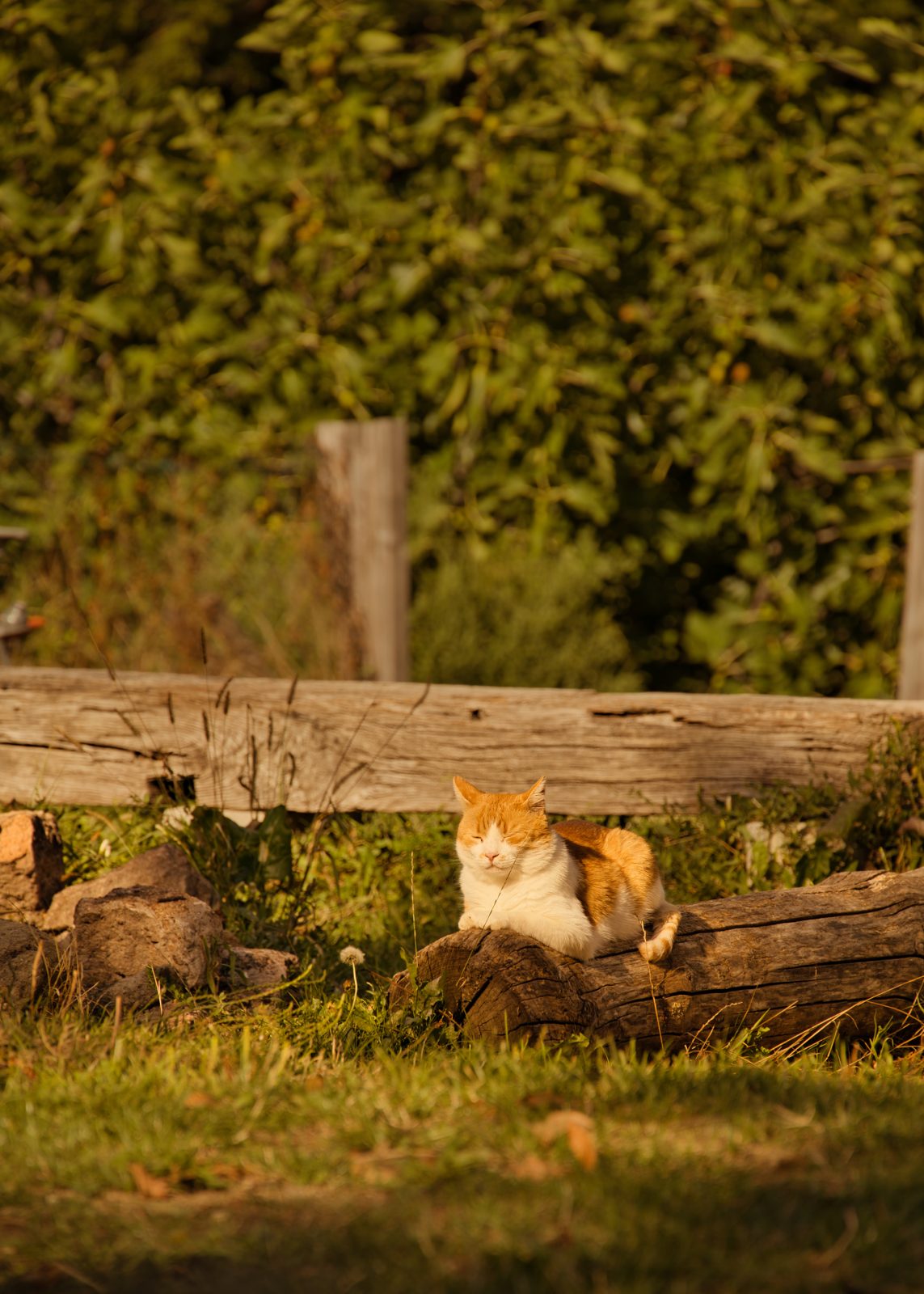
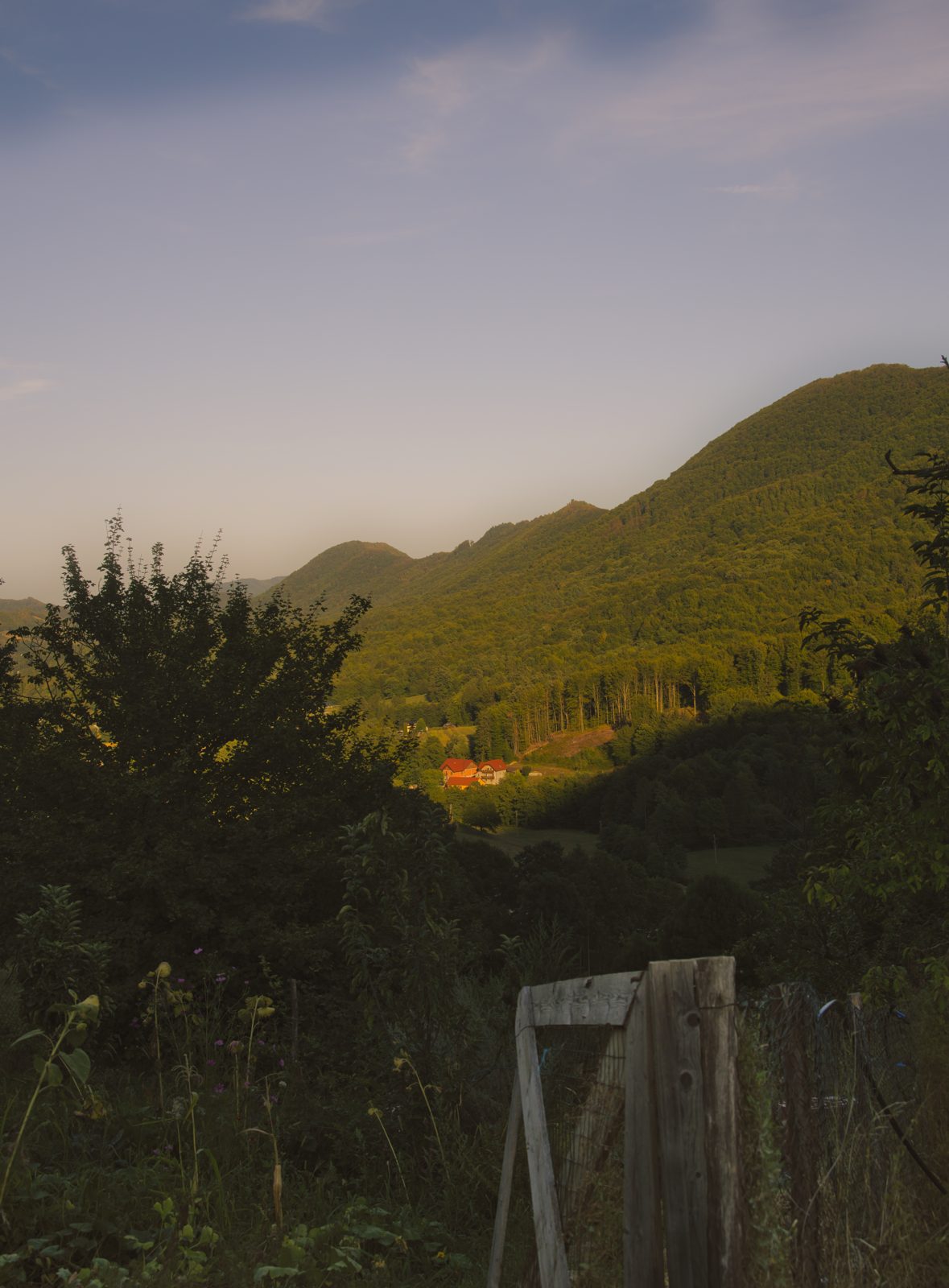
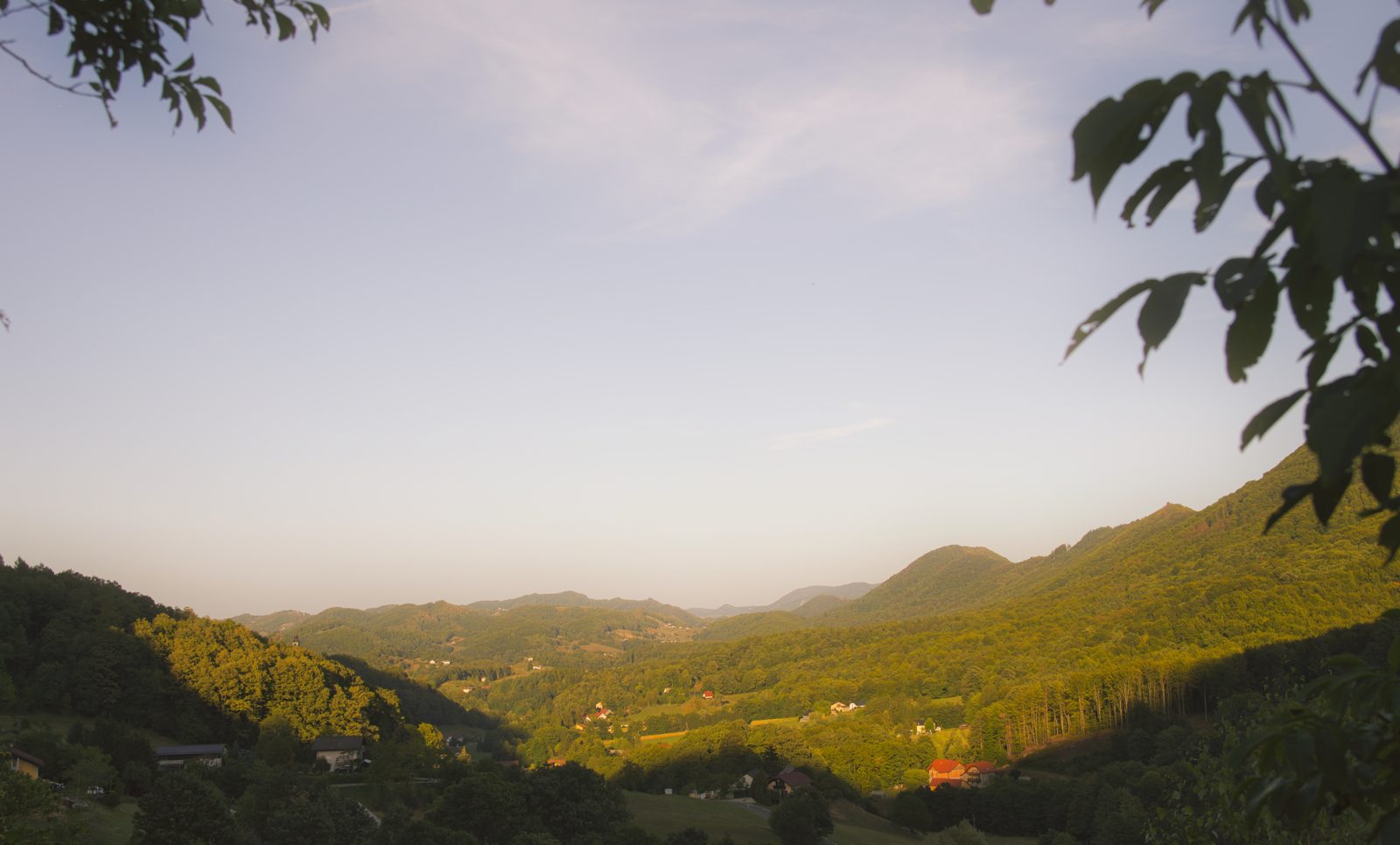
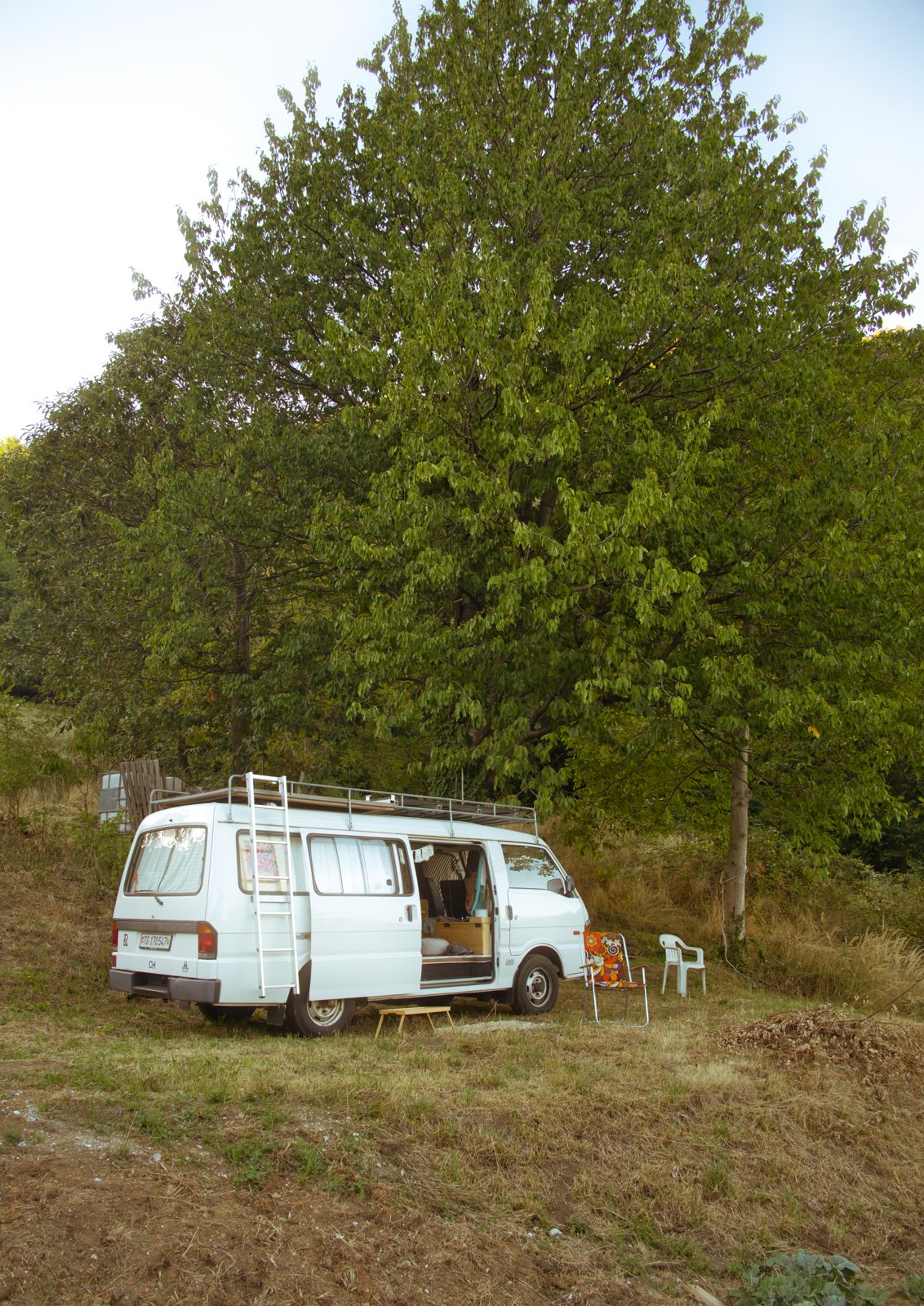
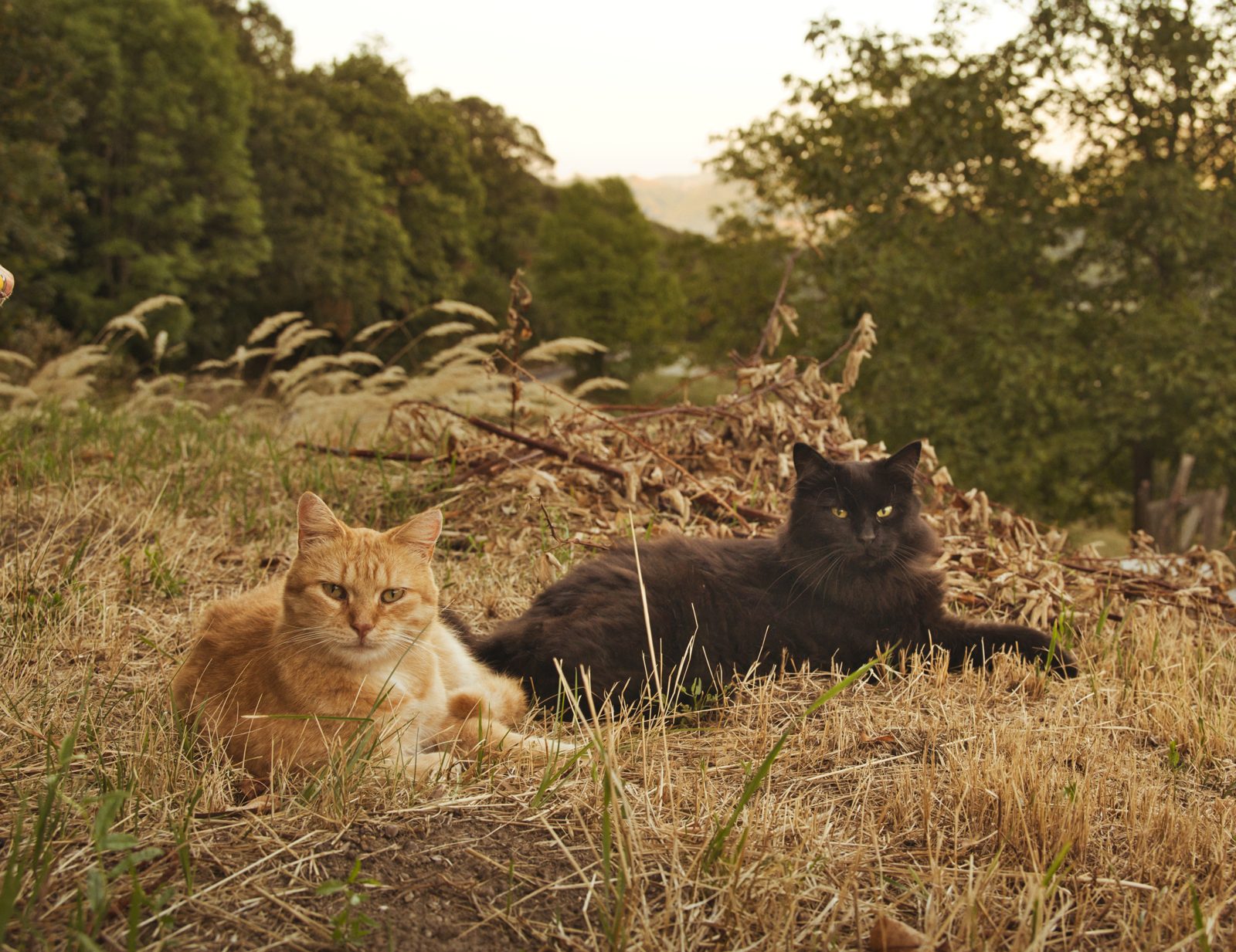
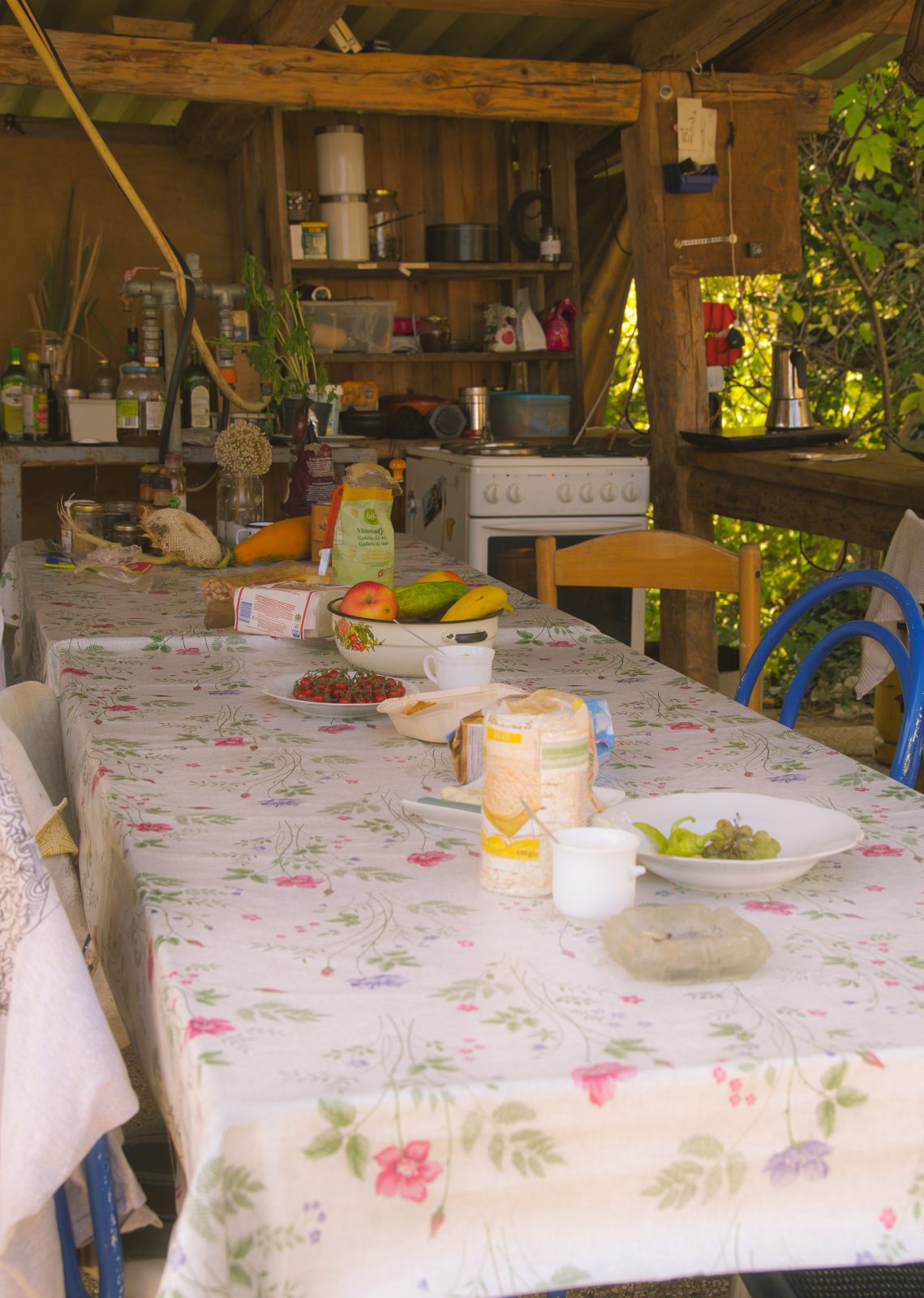
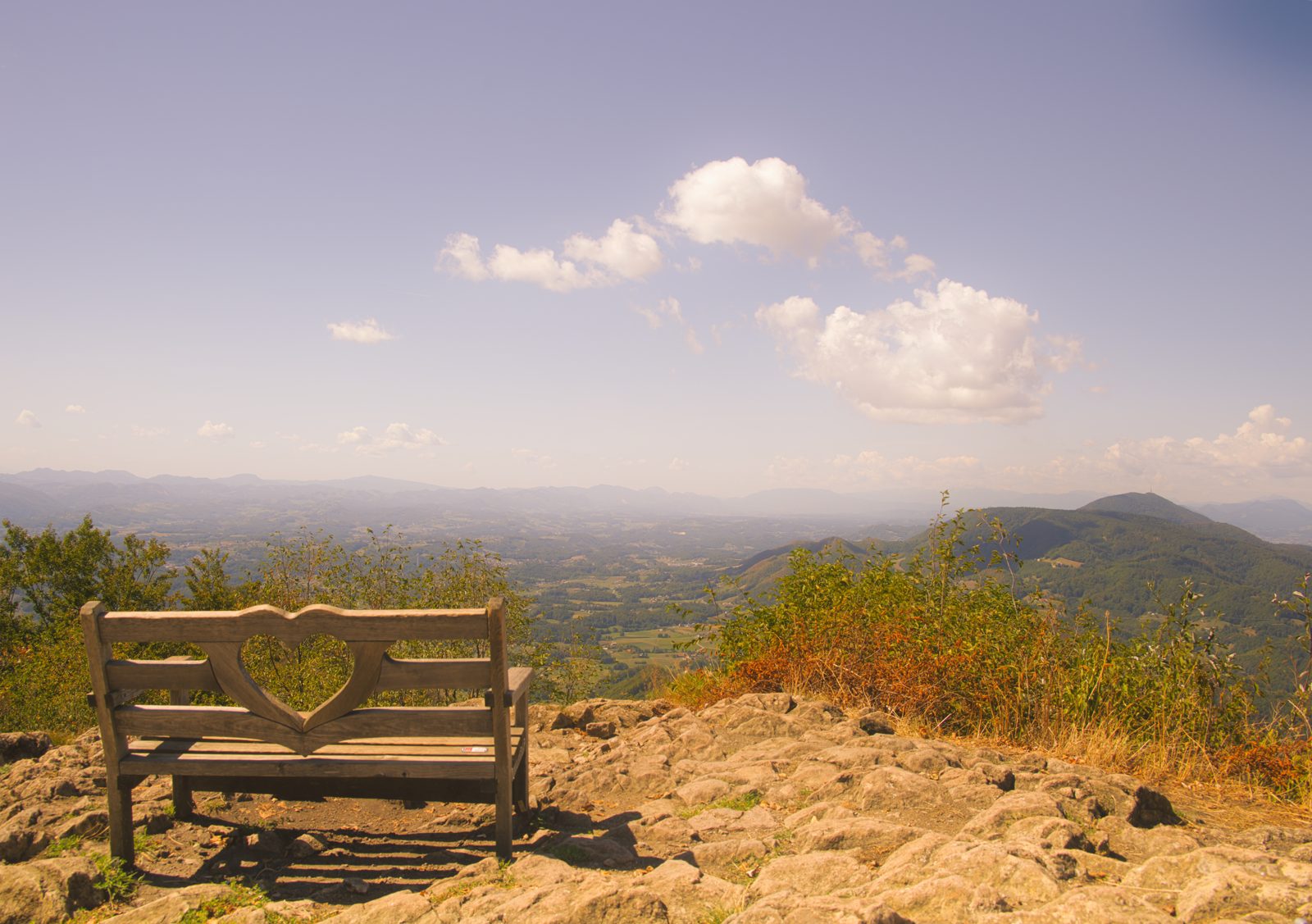
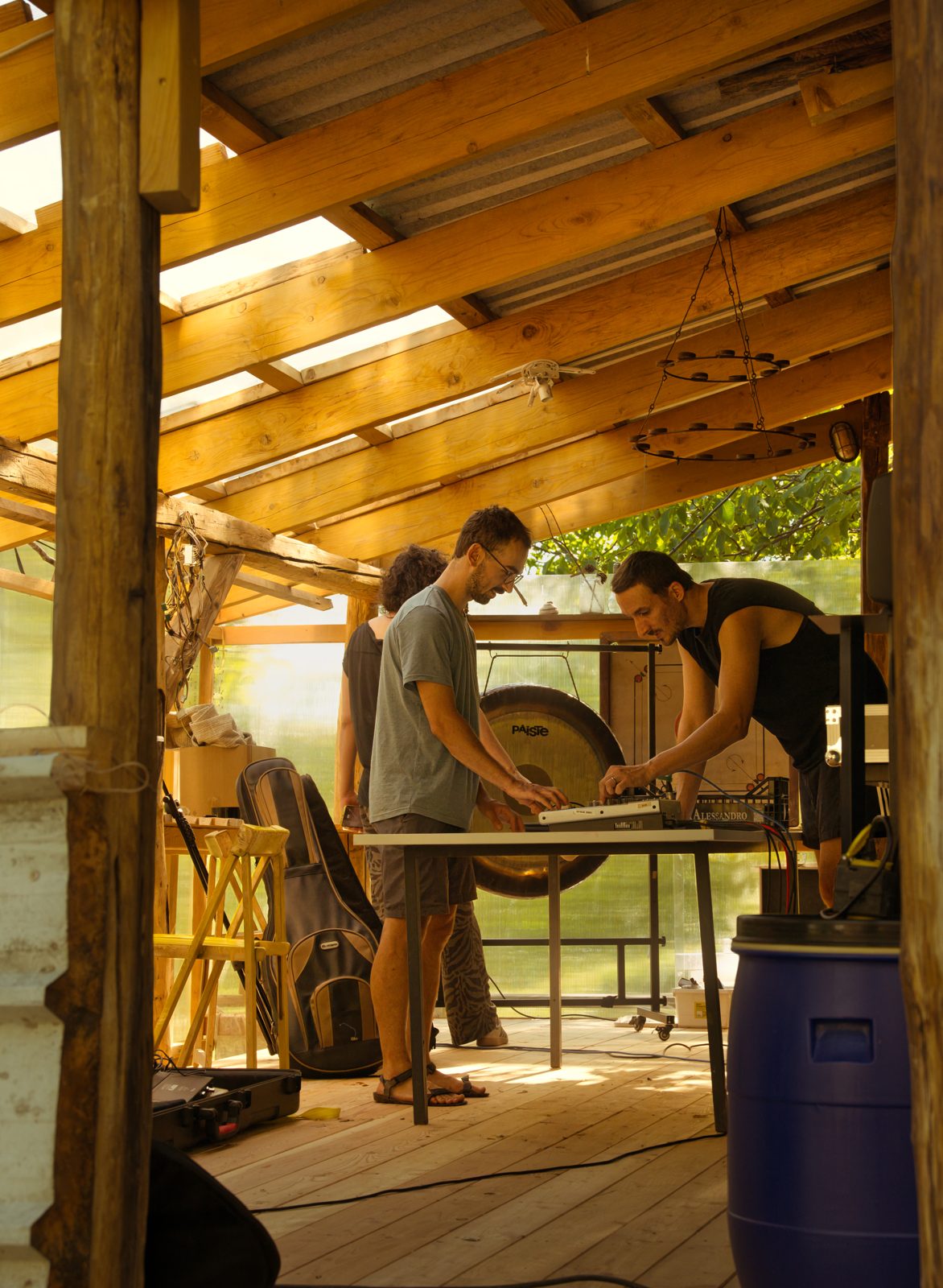
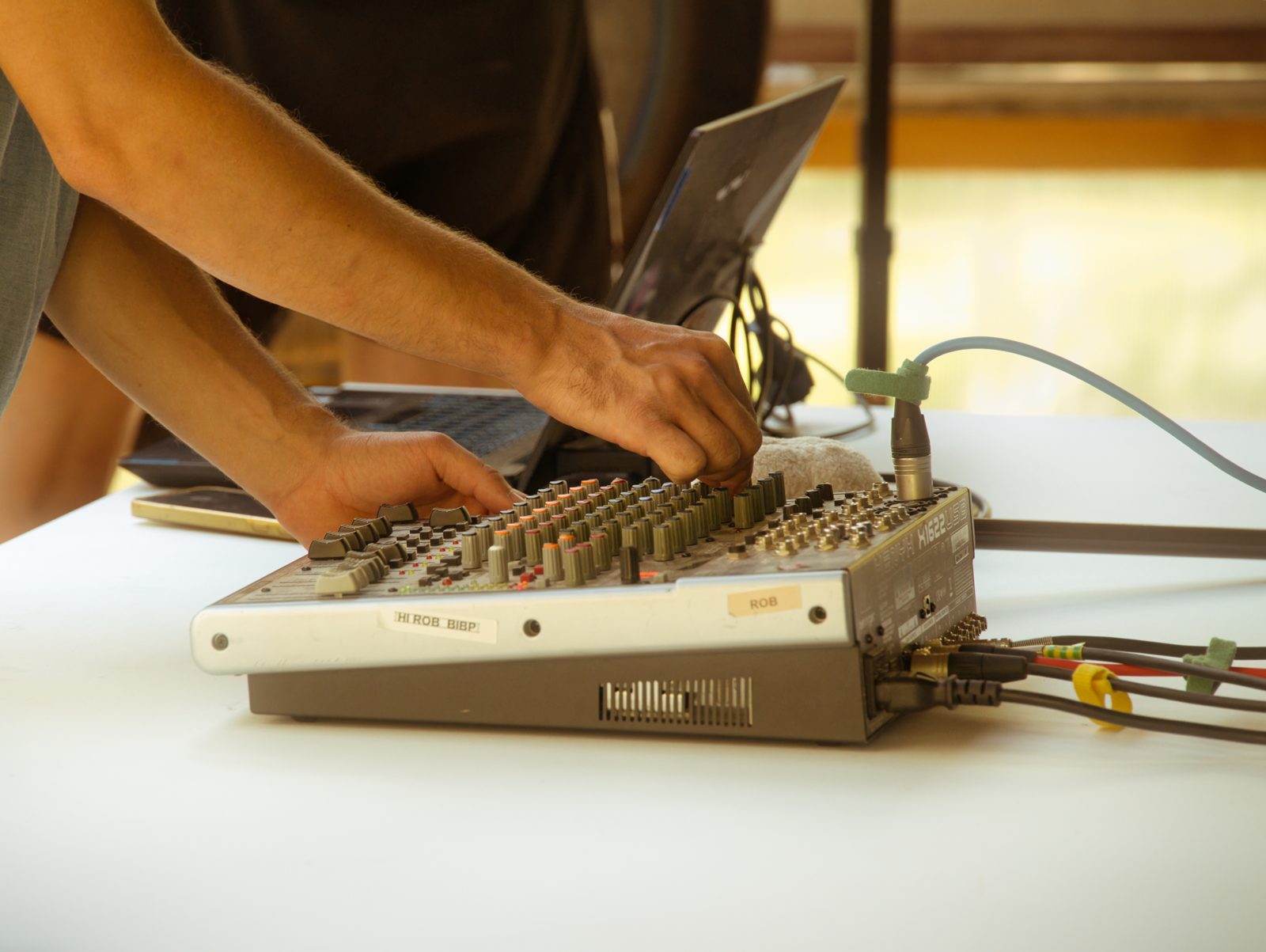
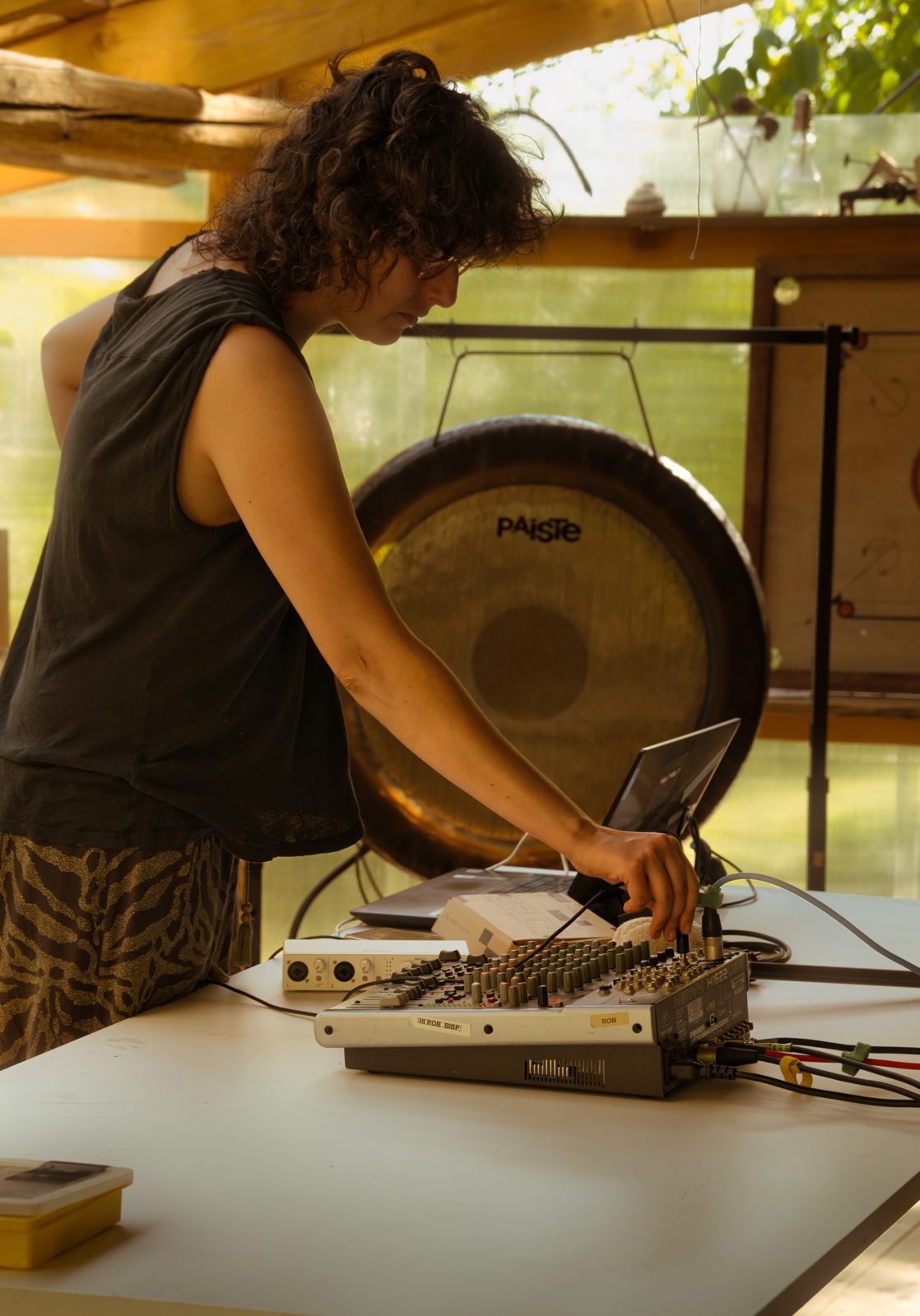
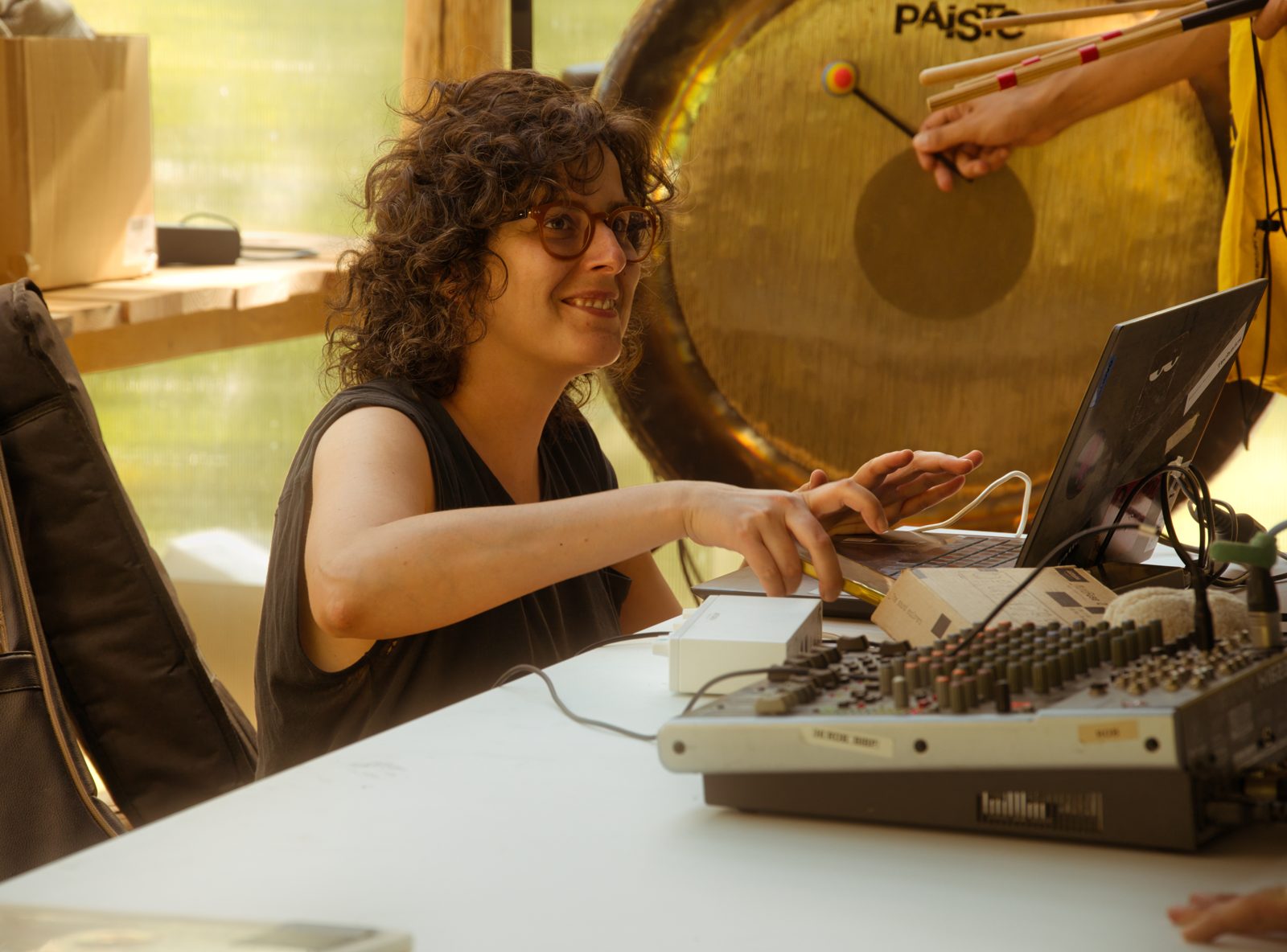
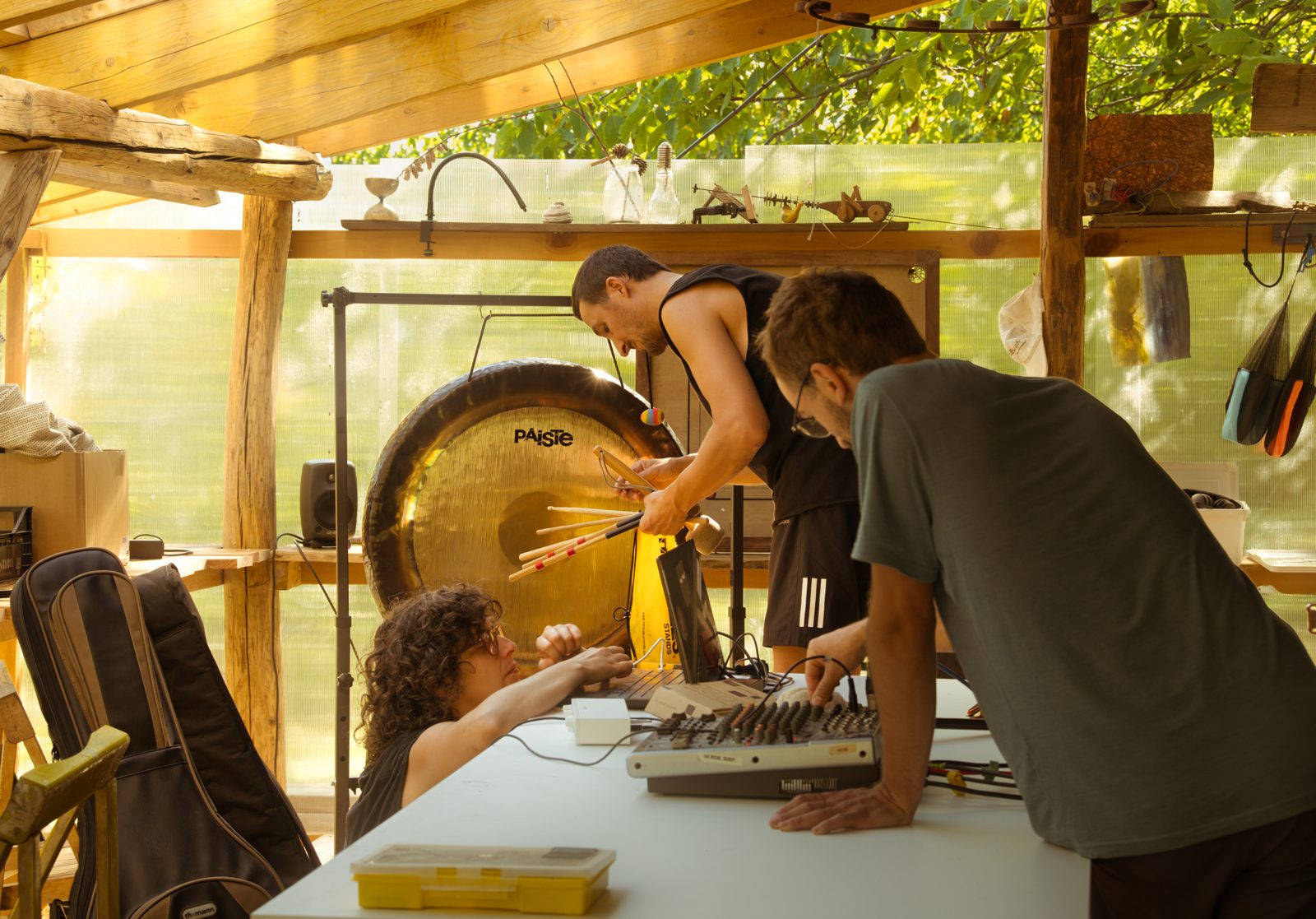
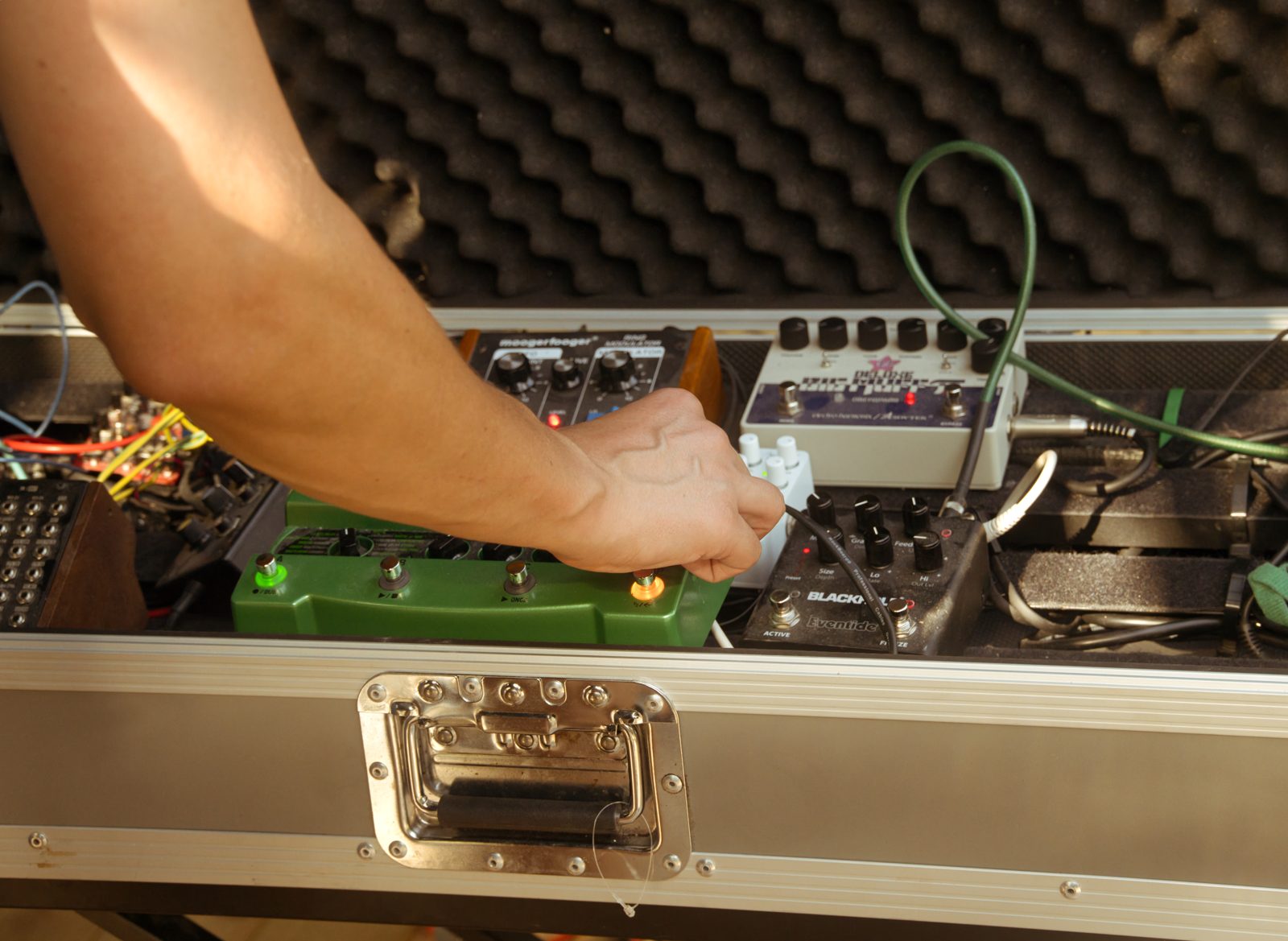
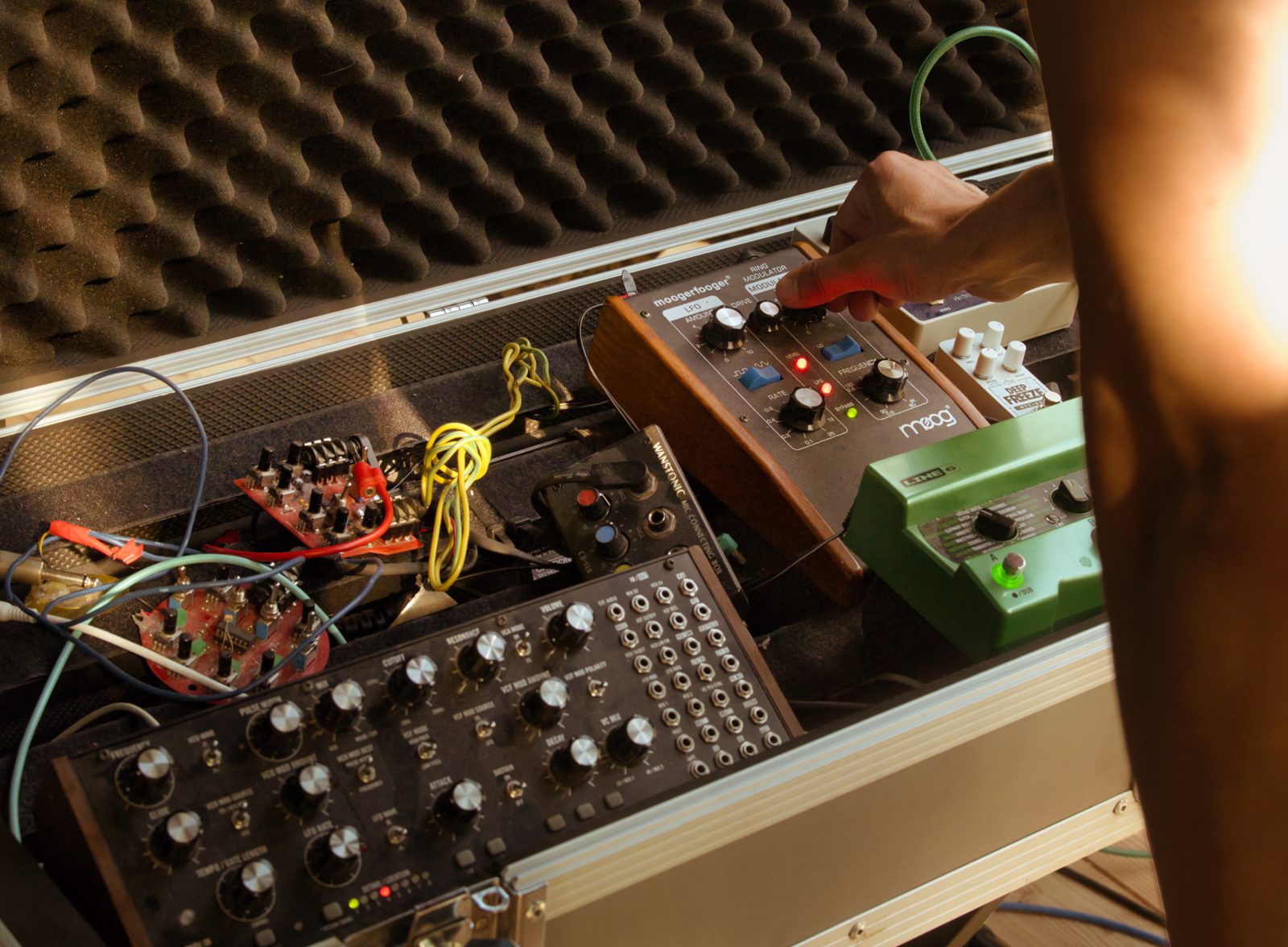
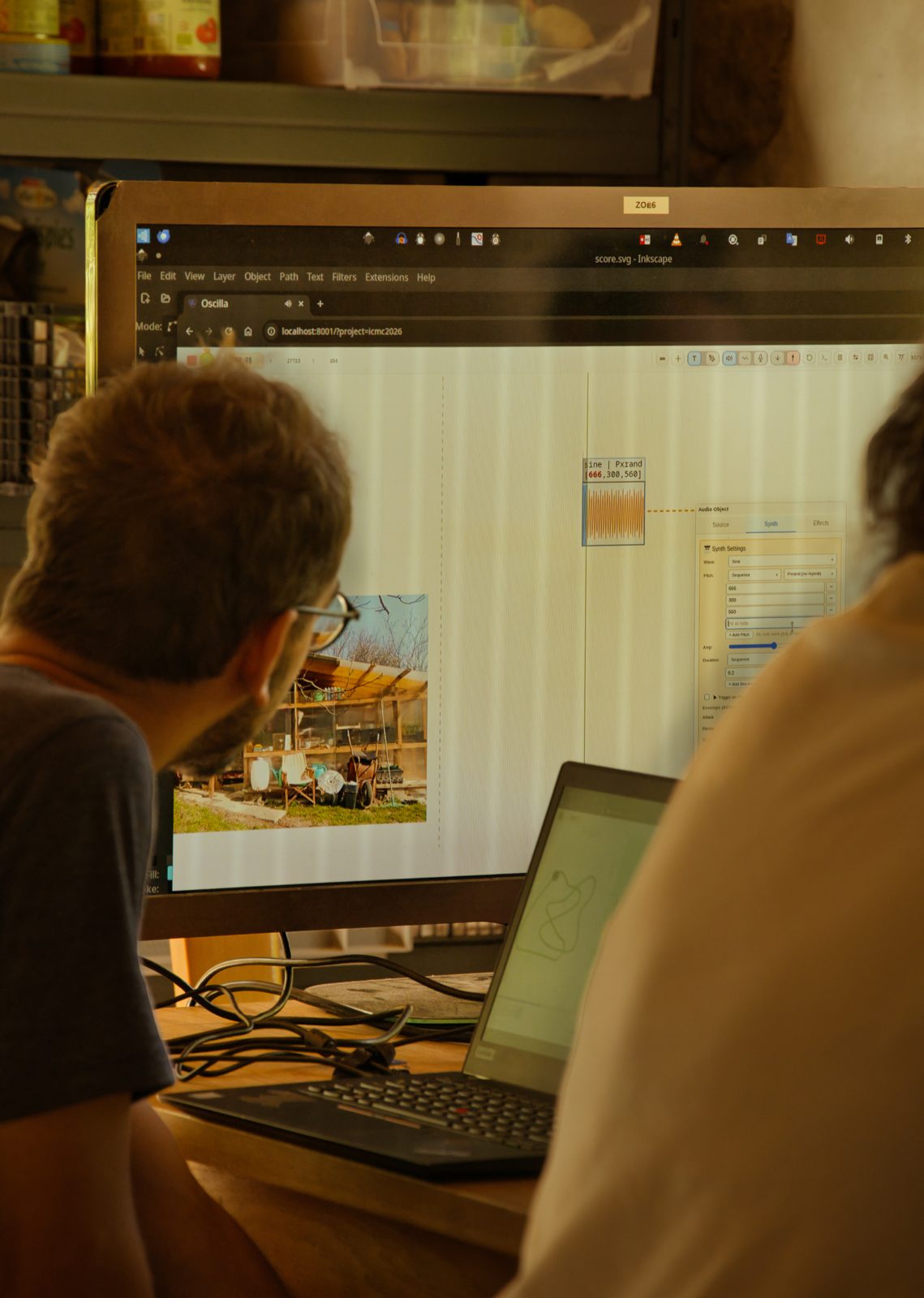
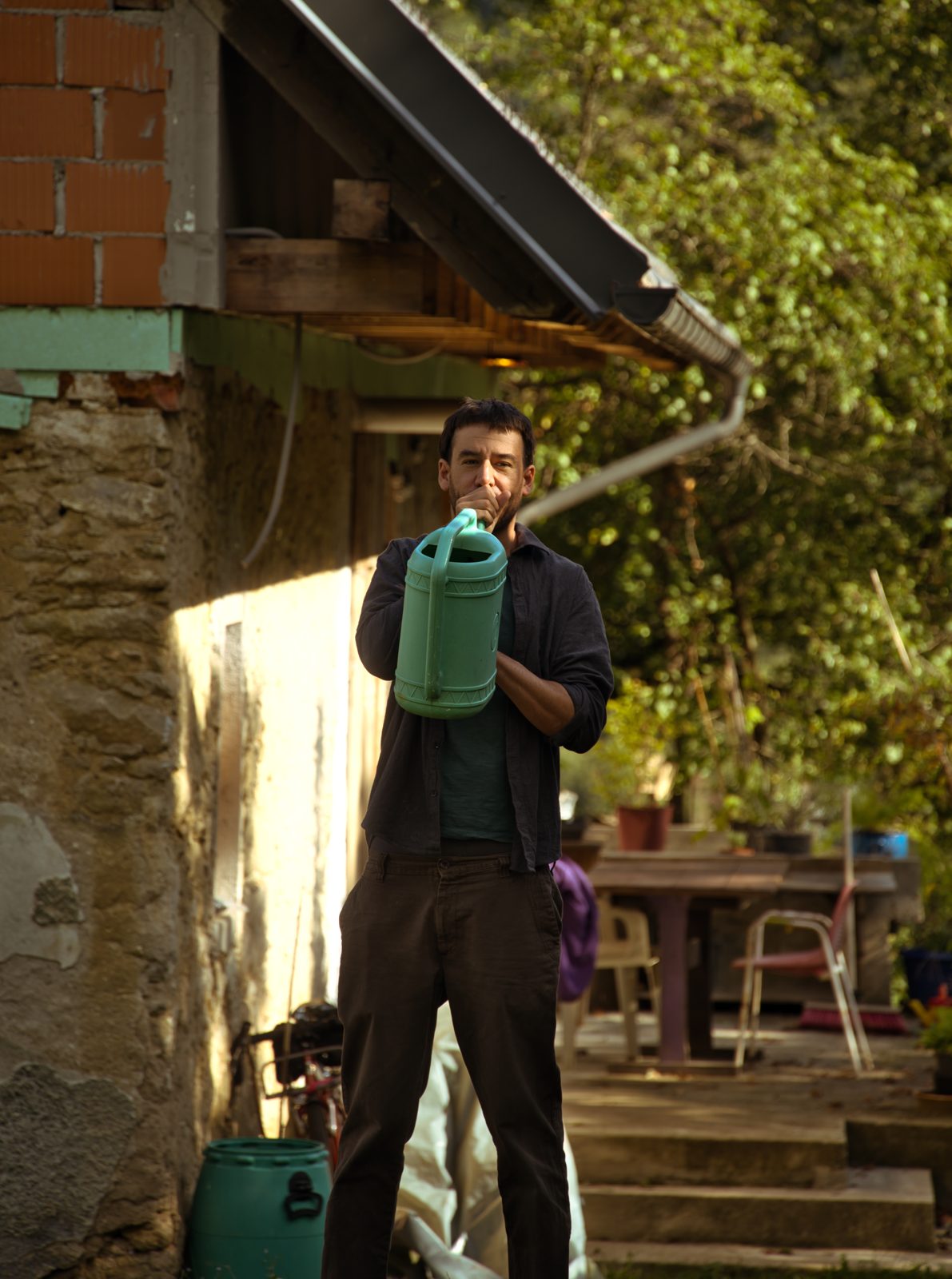
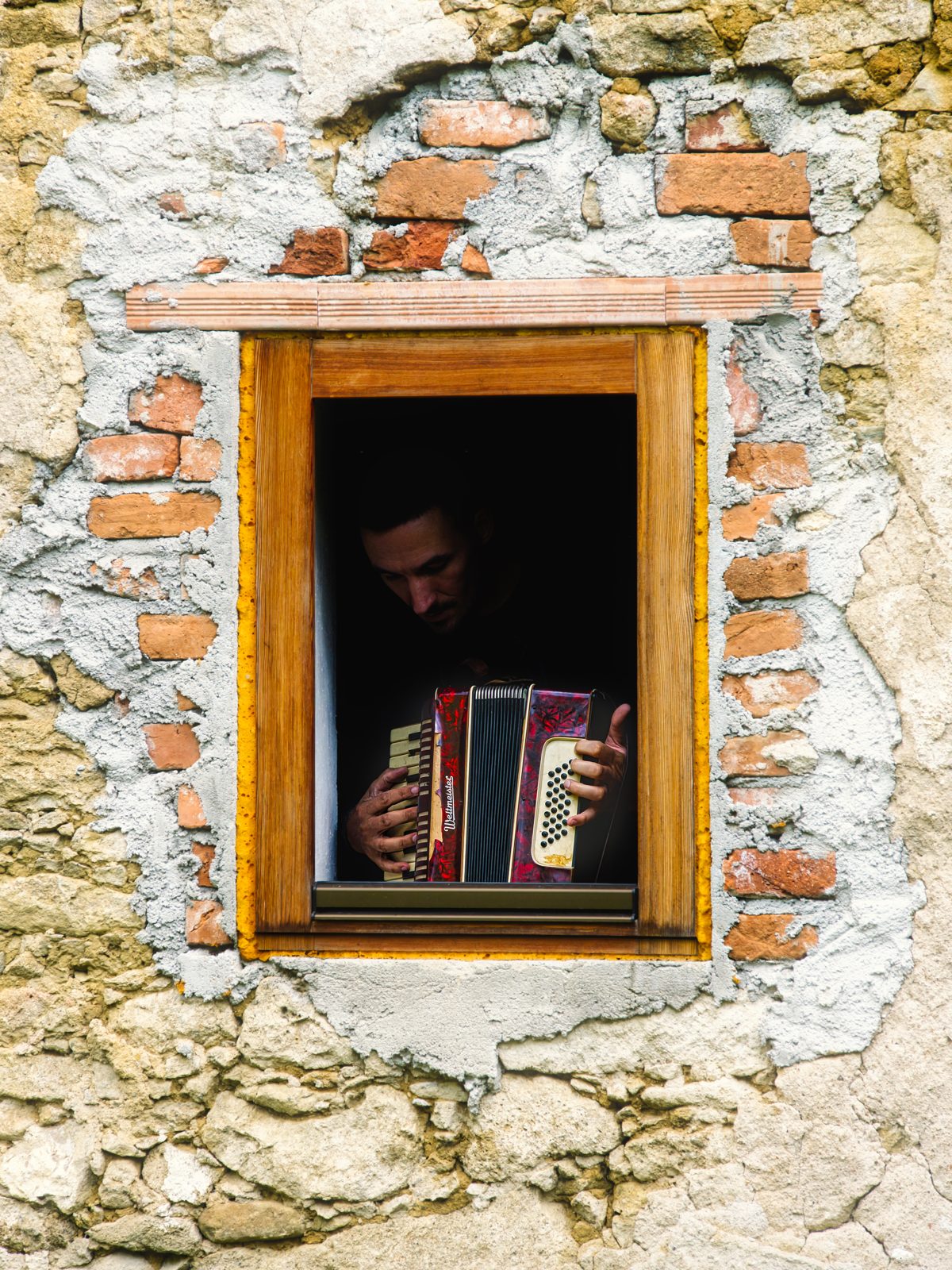
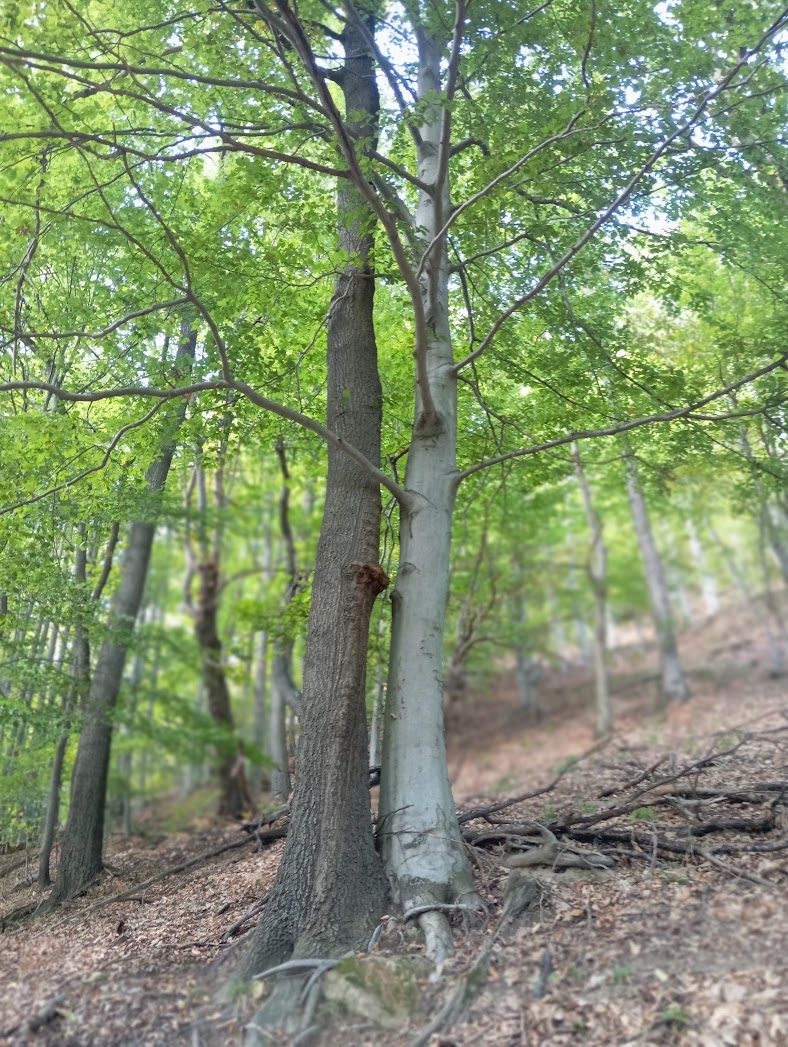
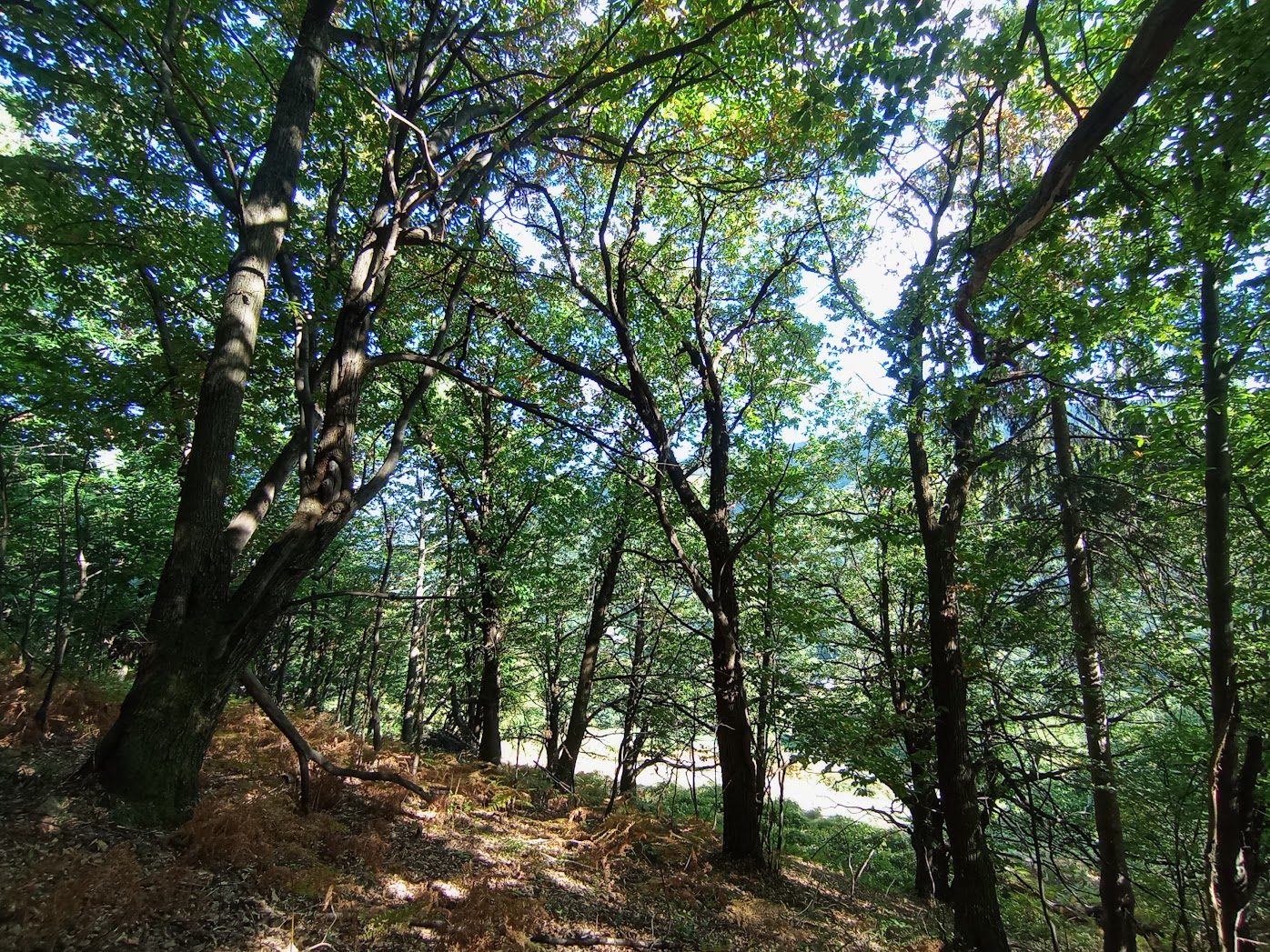
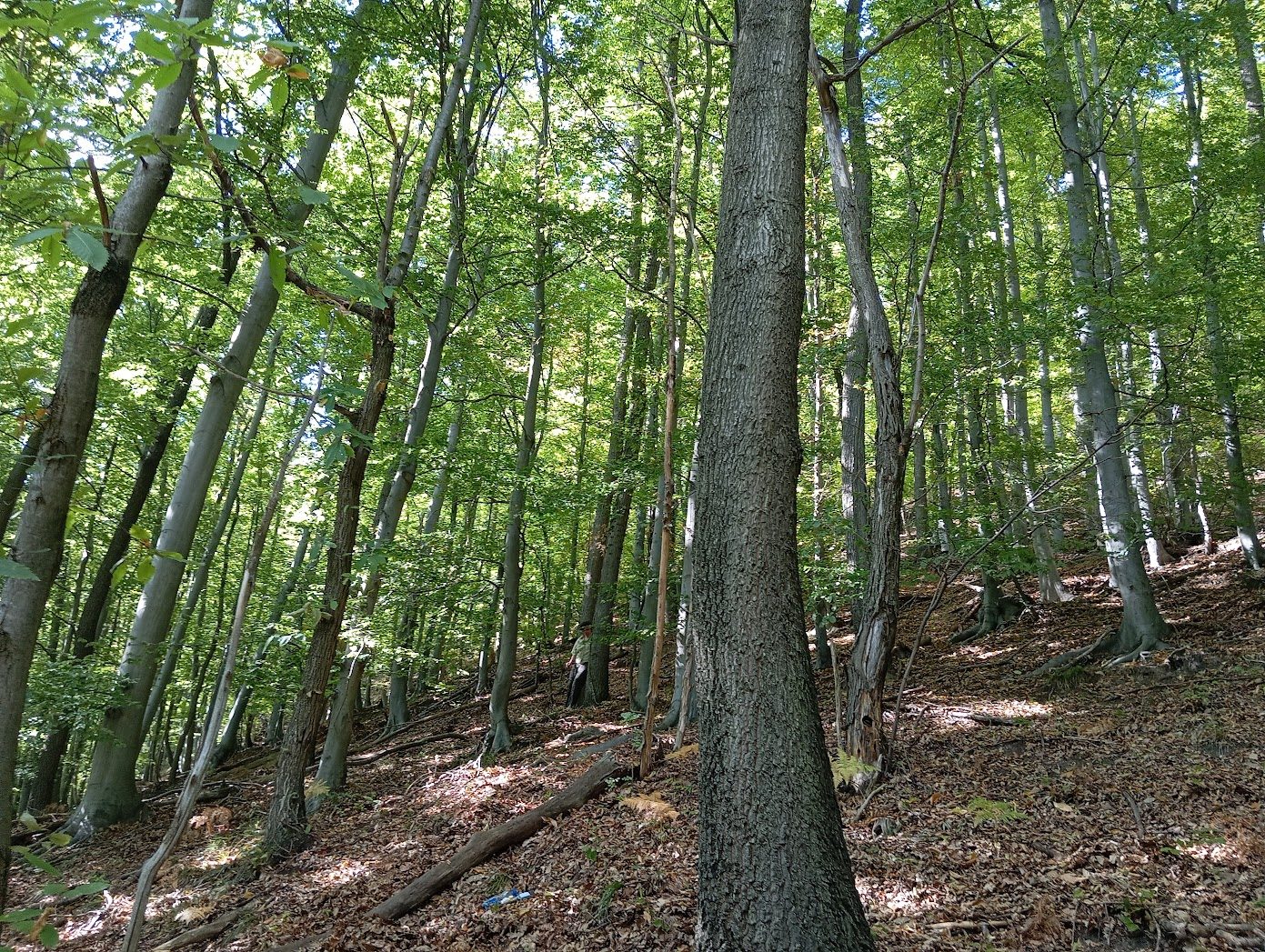
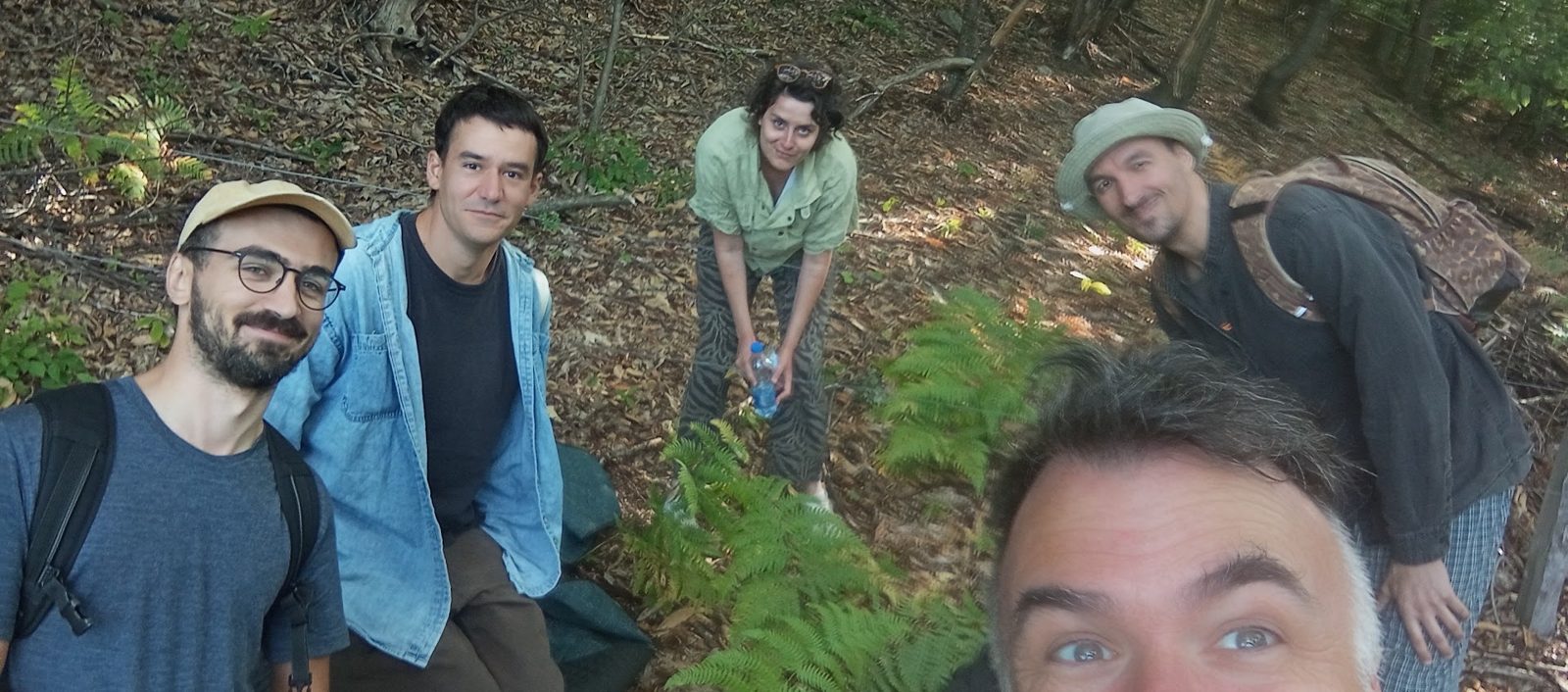
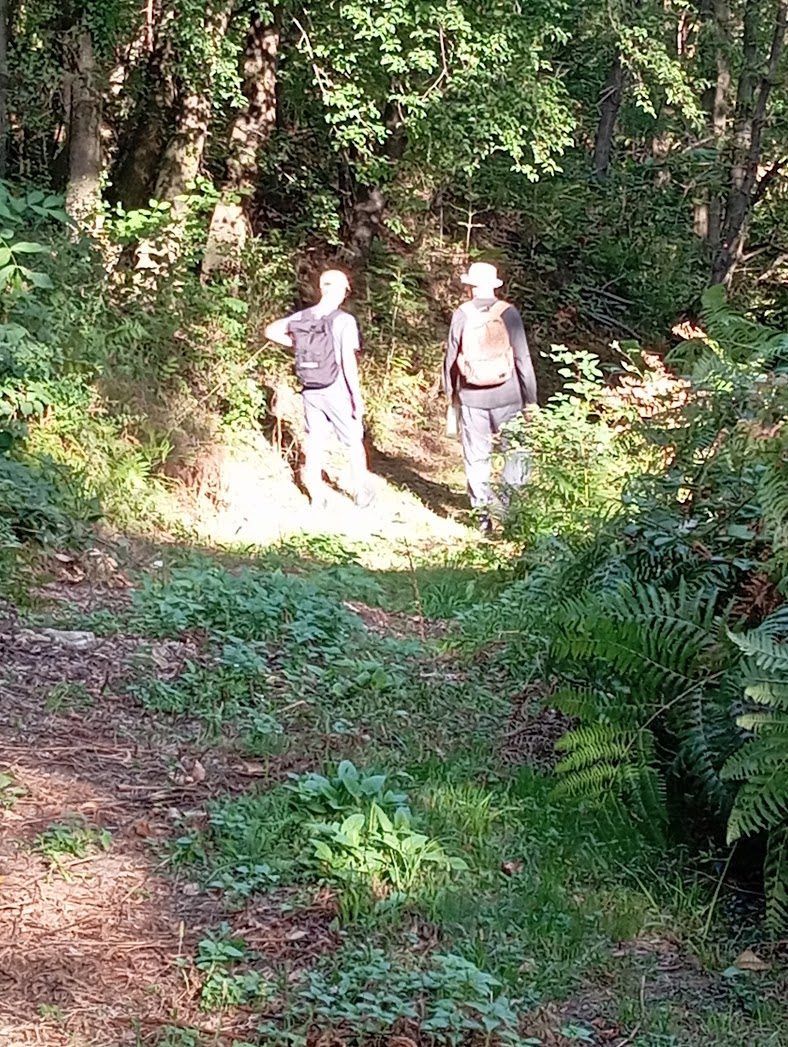
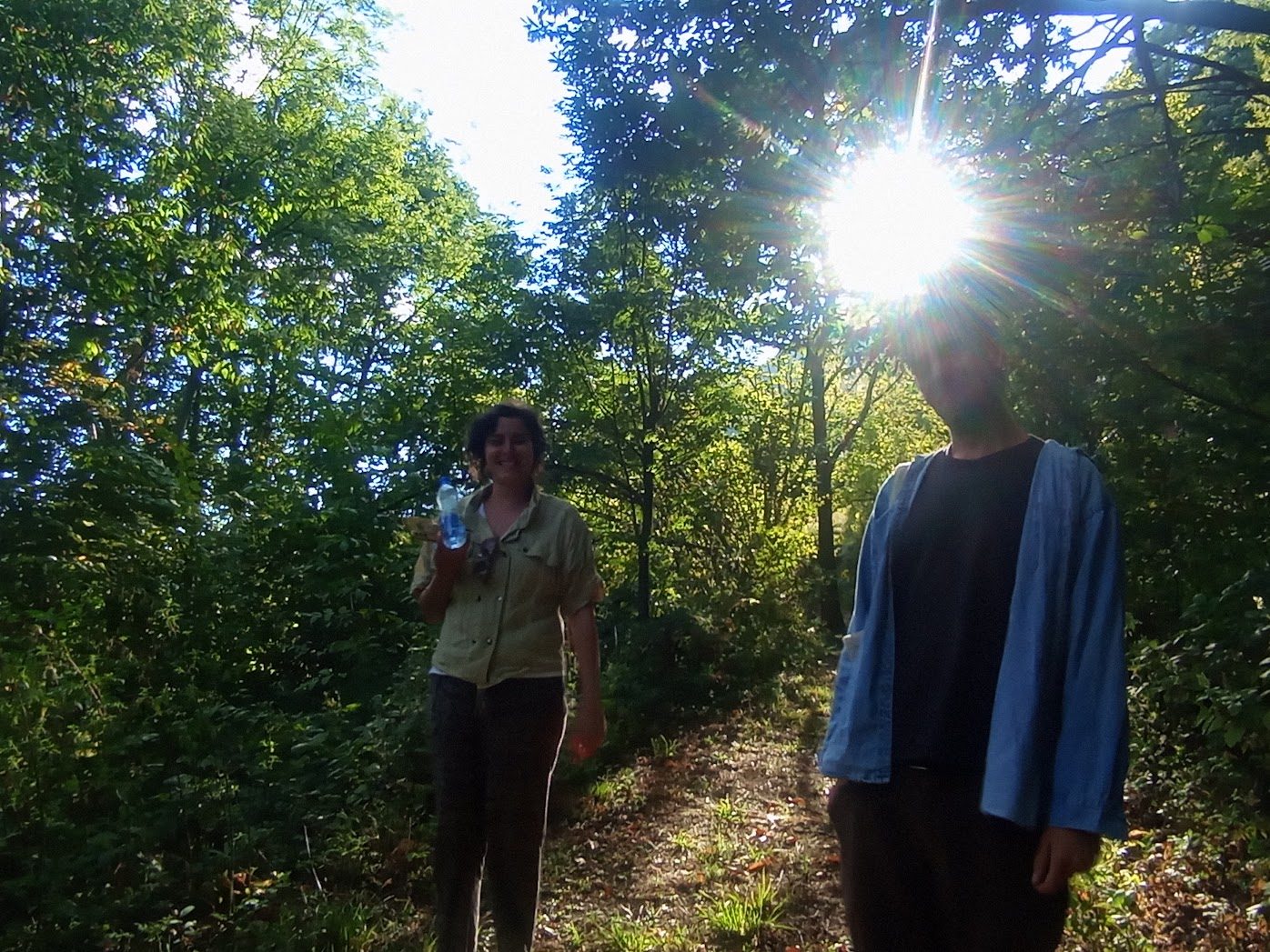
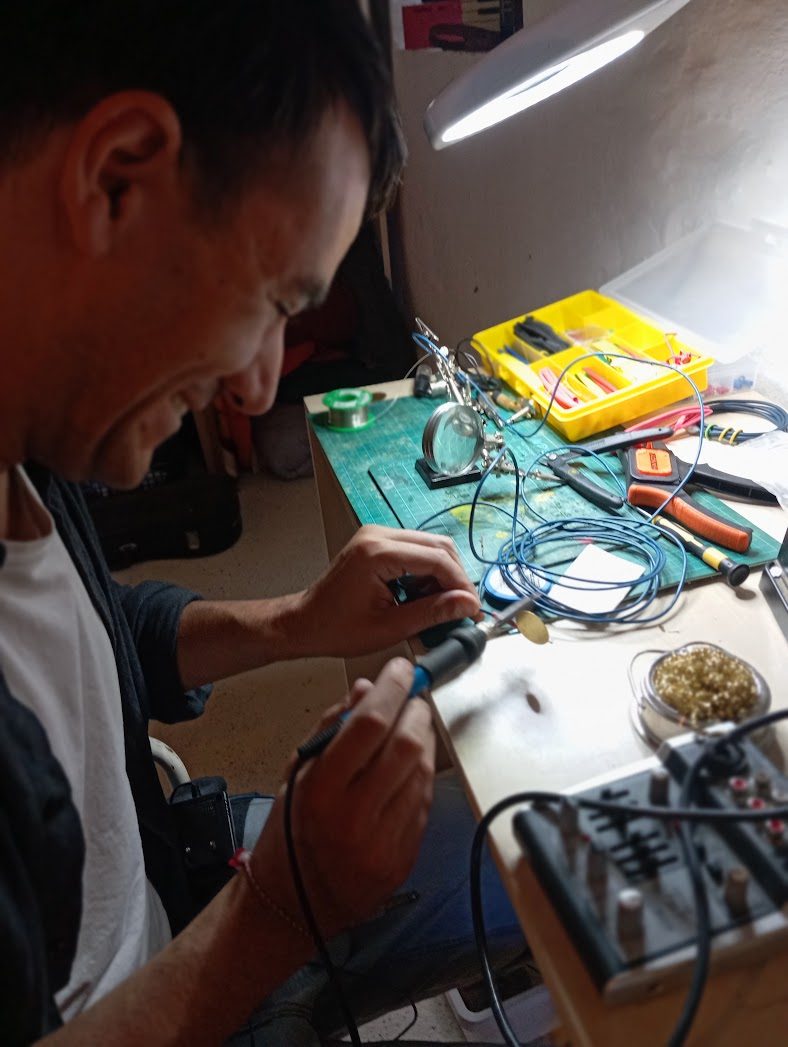
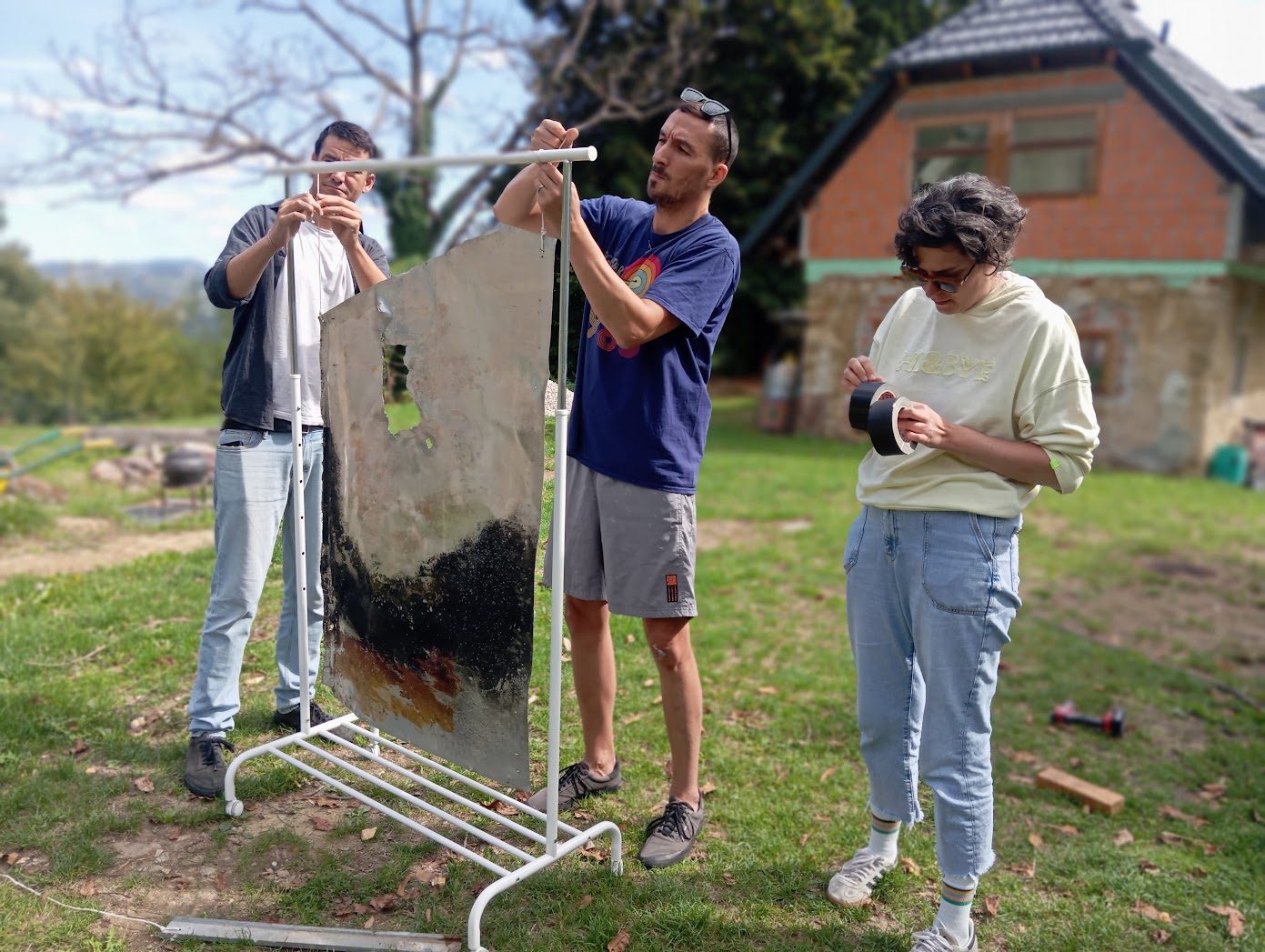
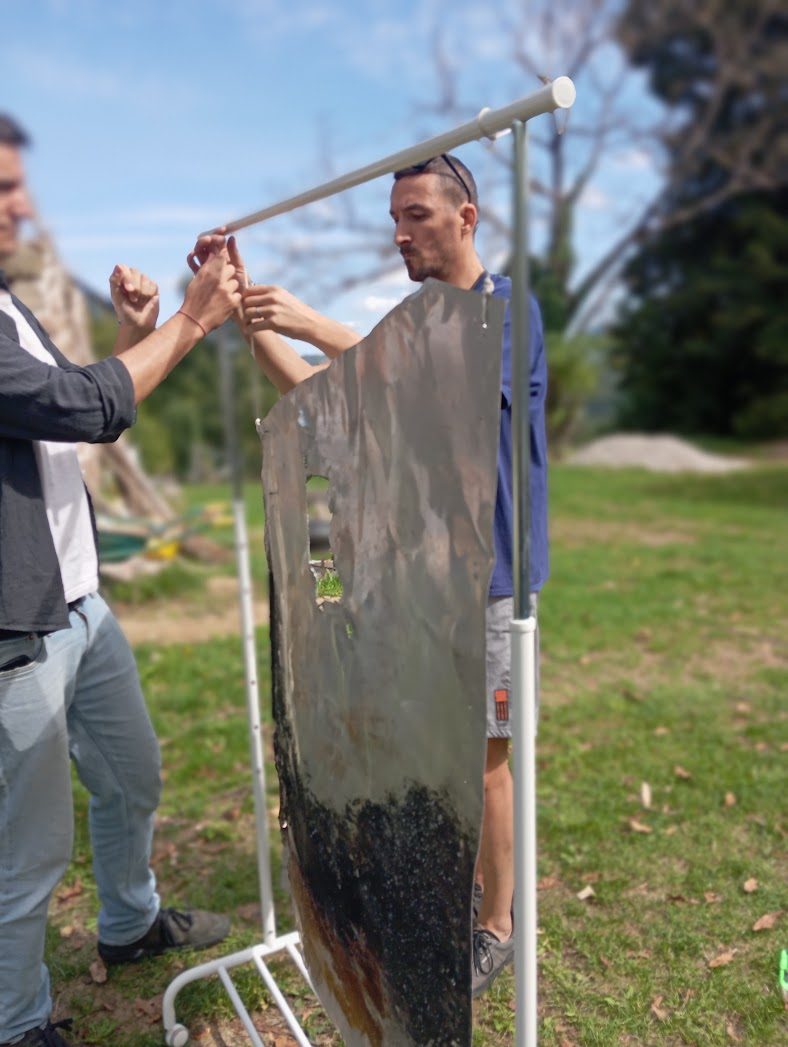
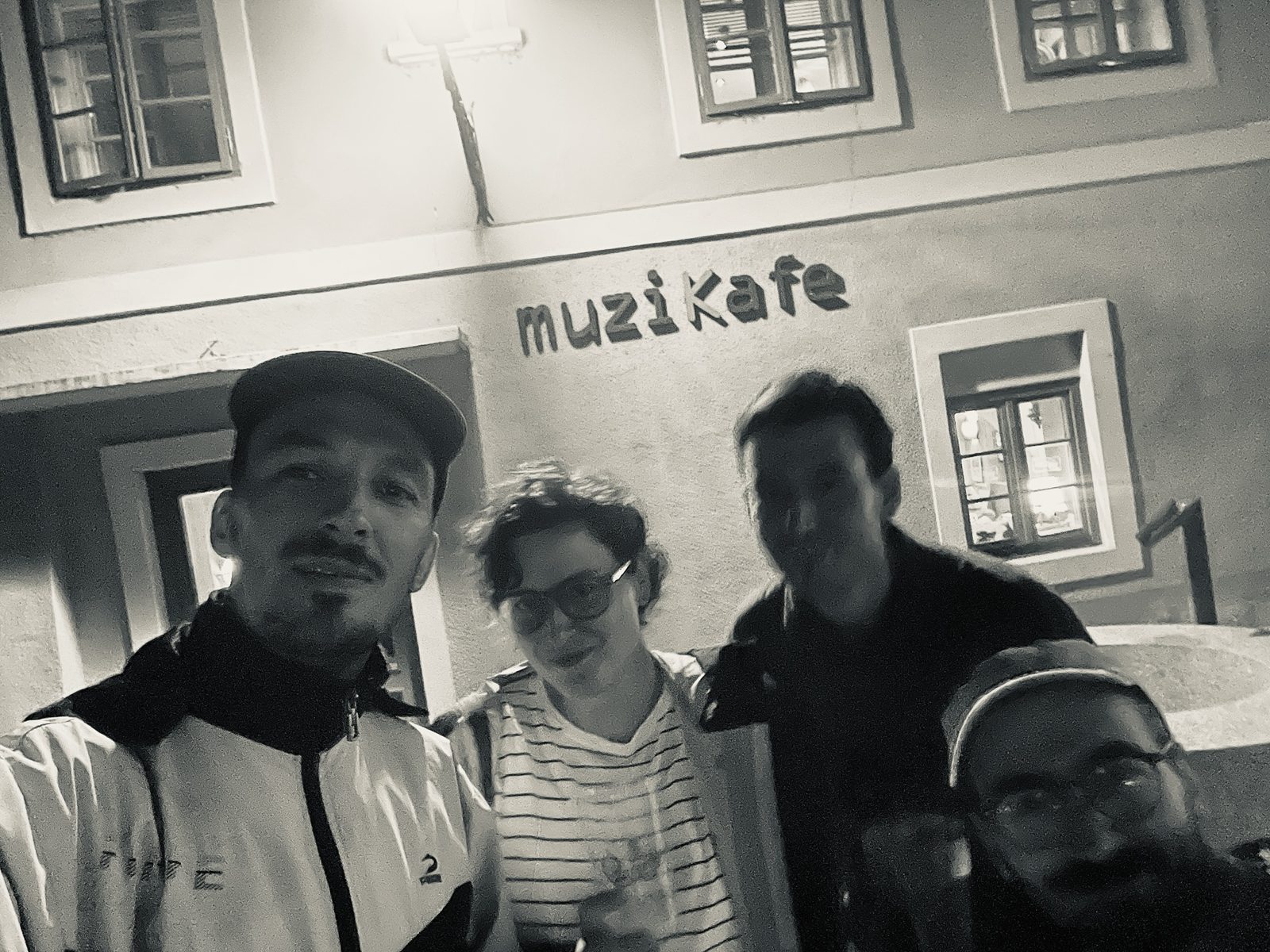
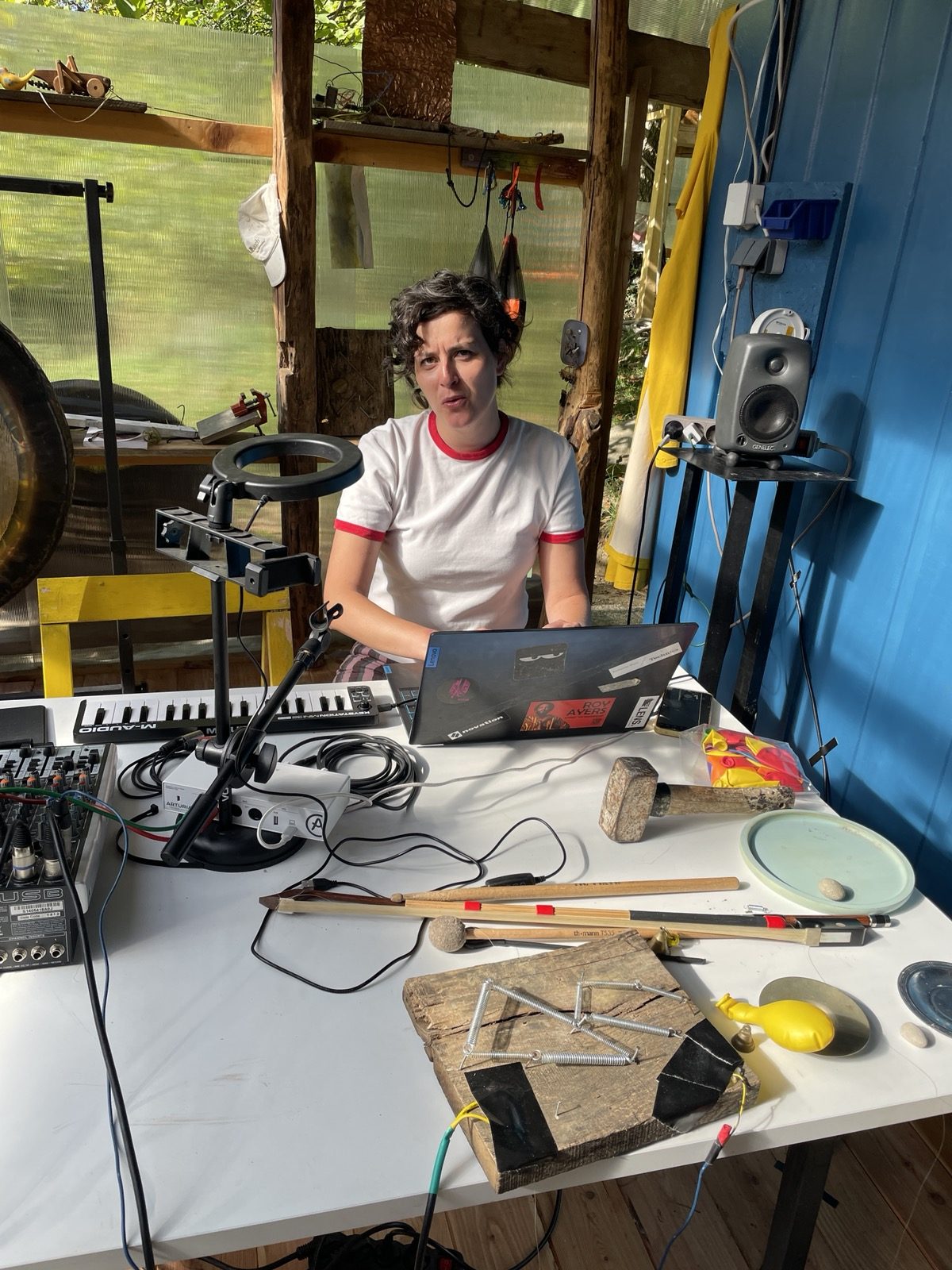
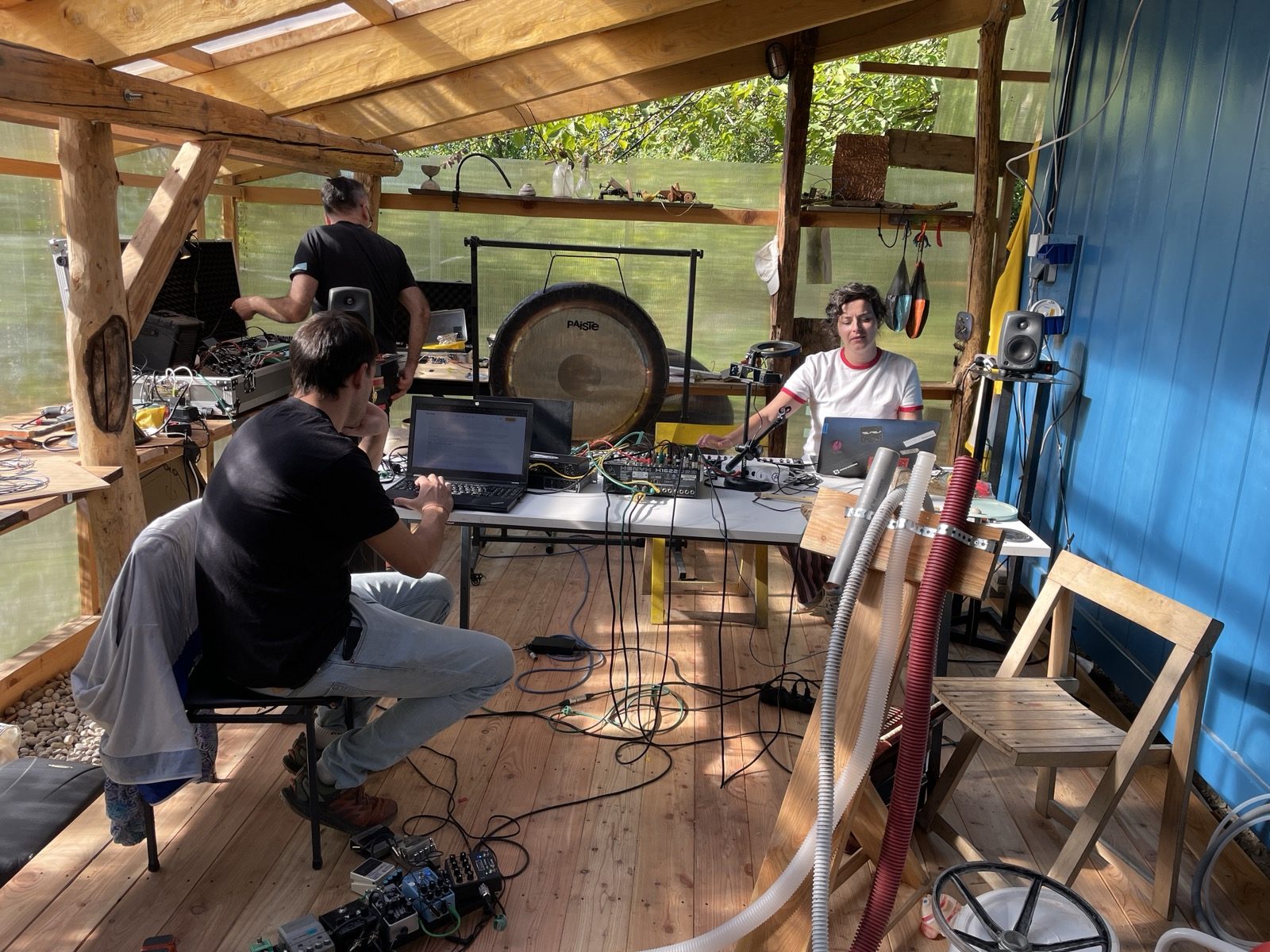
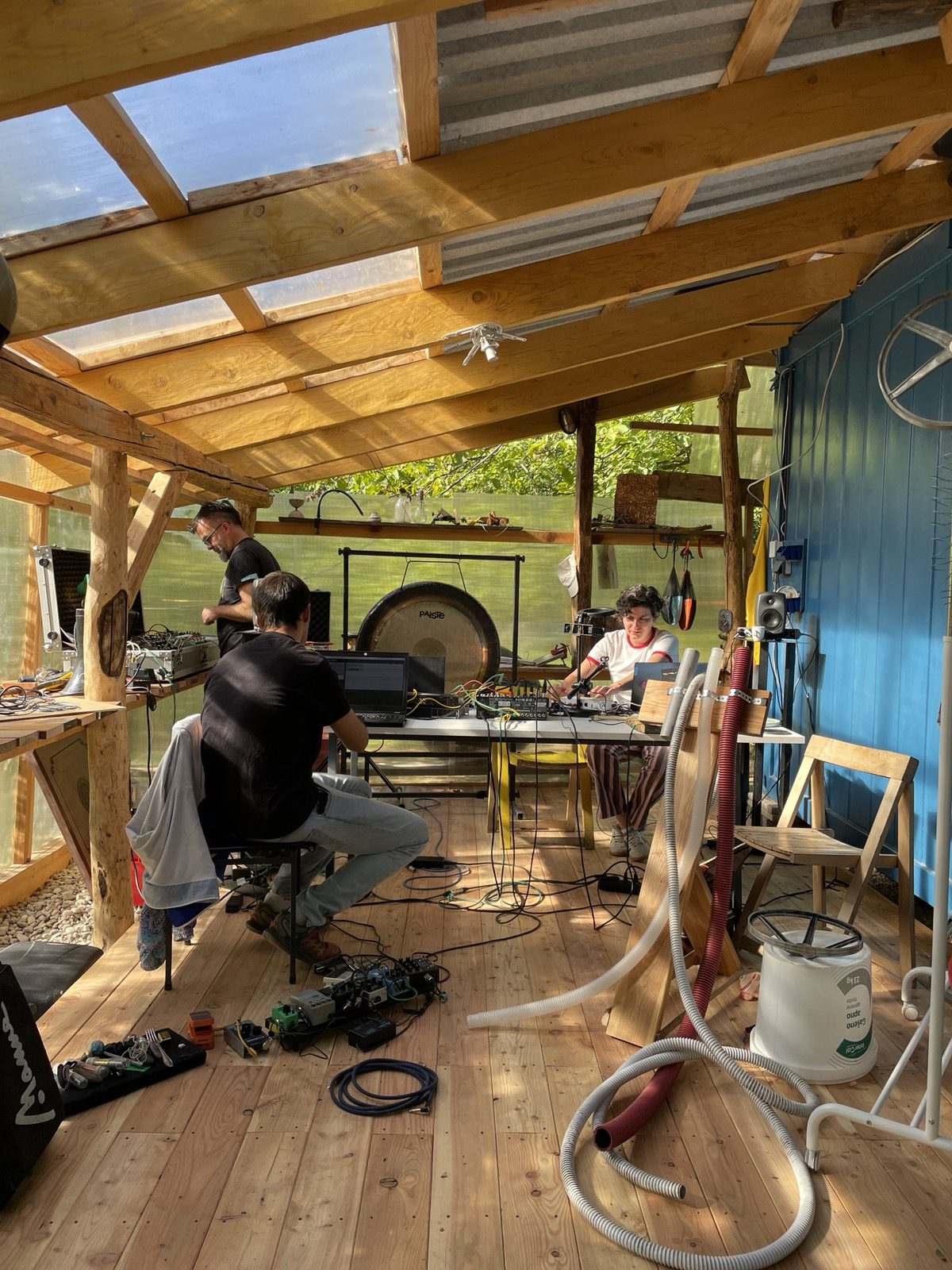
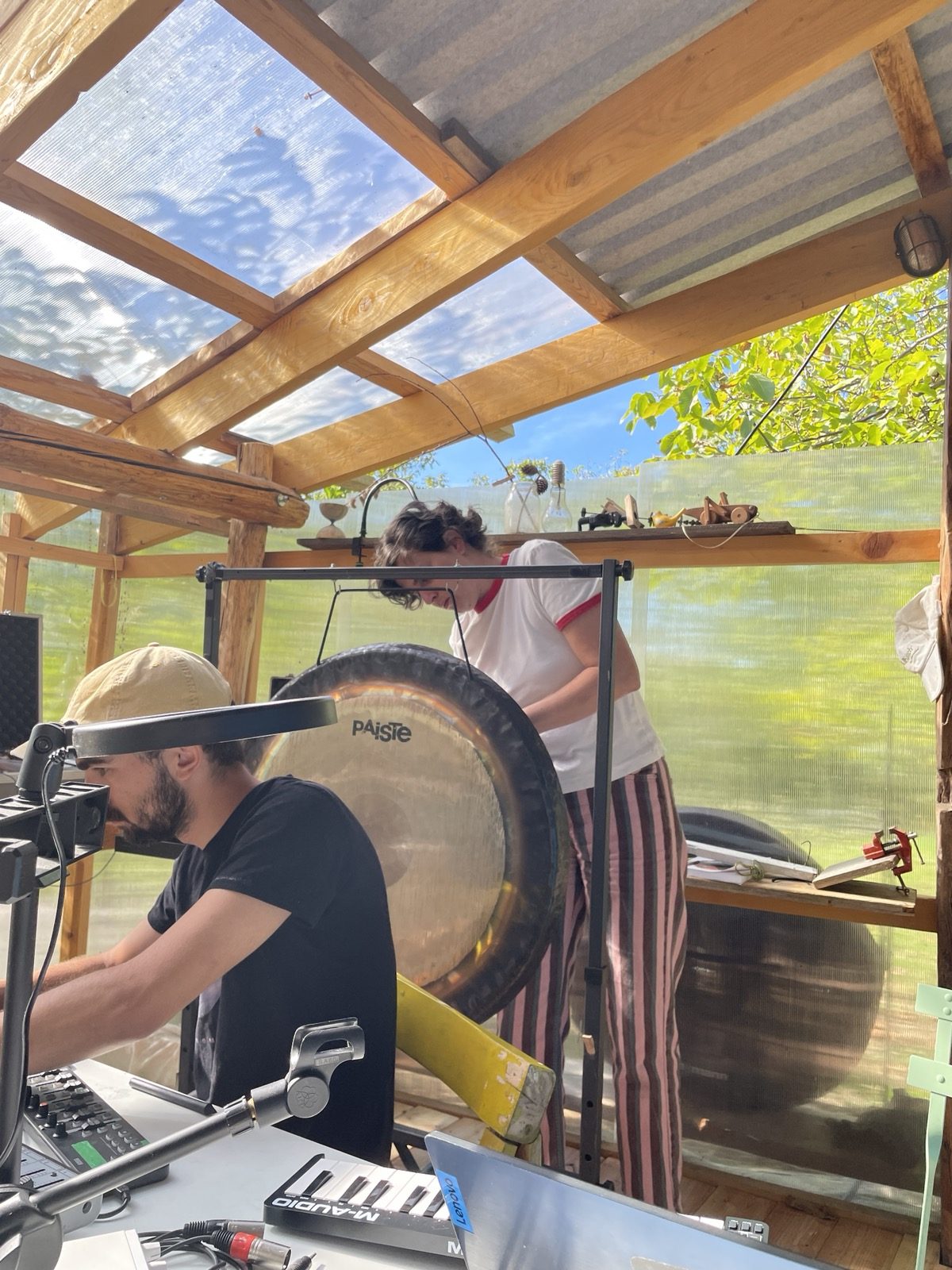
Photos: Lea Kaufmann (@_leaslens_), Rob Canning and Grgur Savić
Supported By
Rizodencies 2026: Scores was funded by Culture Moves Europe, a programme of the Goethe-Institut co-funded by the European Union, with support from Zavod Rizoma.
This work was produced with the financial assistance of the European Union. The views expressed herein can in no way be taken to reflect the official opinion of the European Union.